
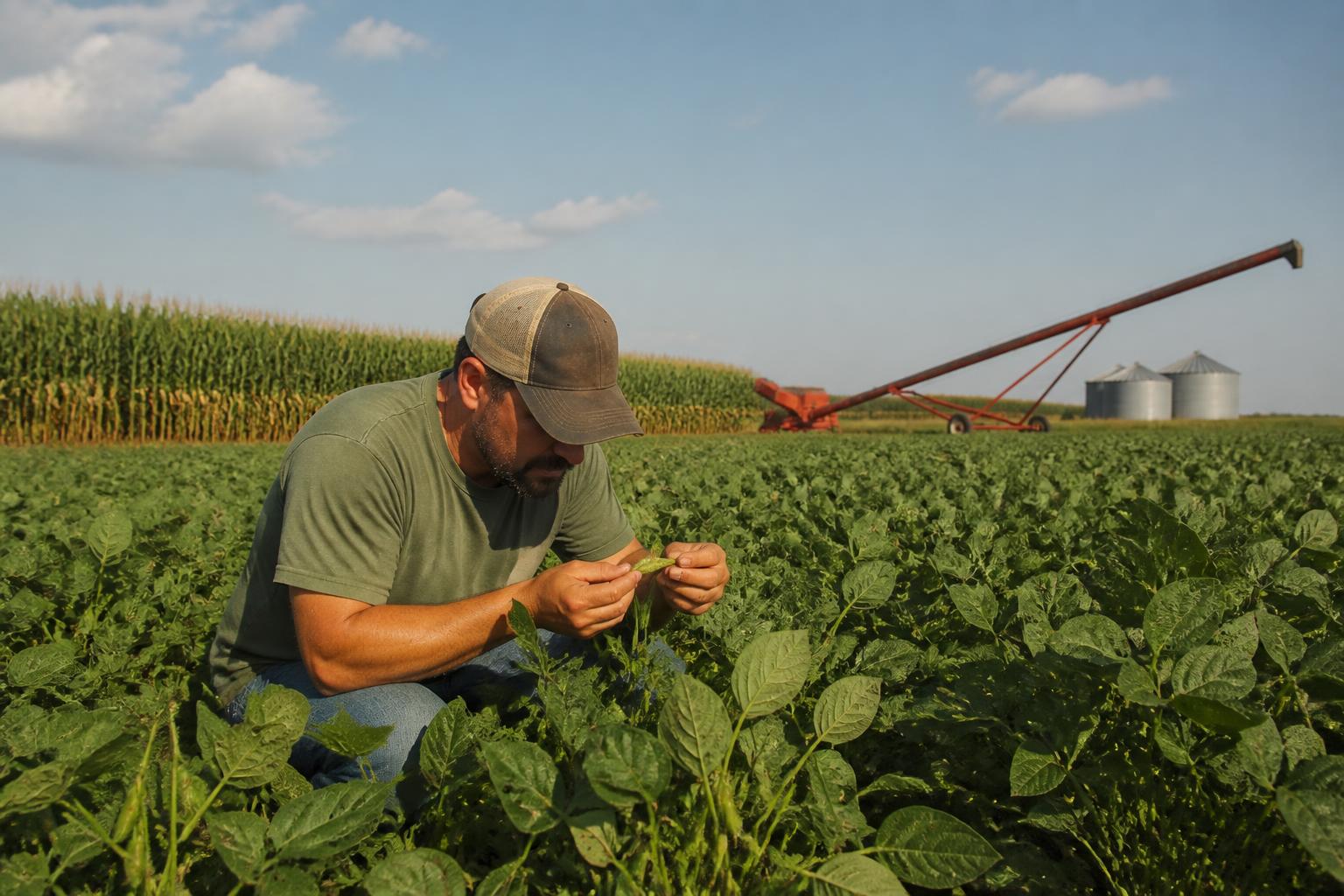
As the summer heat settles over New England, Maine farmers and agribusinesses are actively managing weed pressures, crop health, and intensive regulatory compliance. In a state known for its high-value specialty crops, from potatoes to wild blueberries, crop protection strategies this season require a careful balance of efficacy, cost control, and strict environmental adherence.
With the summer spray season in full swing, local growers are also navigating a shifting regulatory landscape. Recent state legislative decisions have reinforced Maine's strict stance on chemical tracking, highlighting the necessity for clean, compliant, and highly transparent input management programs across all counties.
PFAS Reporting Decisions and the Push for Crop Pivots
Maine lawmakers recently rejected a proposed PFAS reporting exemption for agriculture, meaning that local producers must continue to navigate demanding reporting requirements for per- and polyfluoroalkyl substances. For many farms in key agricultural corridors, this decision underscores the long-term challenge of managing land historically impacted by these persistent chemicals. Rather than avoiding the issue, the agricultural community is leaning heavily on localized data and strict compliance to maintain consumer confidence in Maine-grown products.
In response to these land-use challenges, new research is focusing on helping affected farms pivot to alternative, non-food crops. This research could provide a vital economic lifeline, allowing landowners to keep their acreage productive without risking food-chain contamination. As farmers explore alternative crops, understanding Maine’s growing grain economy becomes vital for diversifying rotations, optimizing soil health, and mitigating long-term regulatory risks.
Specialty Crop Protection and Post-Patent Inputs
Protecting Maine's diverse specialty crops during the peak summer months requires timely applications and precise management. Because specialty food crops face intense safety scrutiny, growers are increasingly looking at alternative nitrogen sources, biological solutions, and targeted pesticide applications to limit overall chemical residues. Food safety on the farm remains a top priority, driving local operations to adopt rigorous tracking systems for all field applications.
Additionally, keeping input costs manageable during summer is a major concern. While northeastern farmers face localized regulatory hurdles, many are adopting cost-saving strategies similar to those in other major growing regions, such as adjusting summer supply margins to combat rising application costs. To ease financial pressure, more operations are turning to post-patent crop protection products, which offer identical active ingredients at a lower cost than name-brand alternatives, helping to maintain profit margins without sacrificing yield quality.
Key Takeaways for Maine Producers
- Strict Reporting Requirements: The rejection of the PFAS agricultural exemption means meticulous record-keeping for all inputs and soil amendments remains mandatory.
- Strategic Crop Pivots: Keep an eye on ongoing university and state research regarding non-food alternative crops that can safely utilize PFAS-impacted acreage.
- Input Cost Management: Utilize post-patent products and alternative fertility sources to keep summer spray programs cost-effective.
- Focus on Food Safety: Implement strict application intervals and traceability measures to satisfy retail and consumer demands for specialty crops.
What it means for the market
Maine’s uncompromising regulatory environment regarding PFAS and chemical tracking is accelerating a shift toward highly transparent and alternative crop protection strategies. For input suppliers and carriers, this means a growing demand for certified clean inputs and biological alternatives. For growers, proactive adaptation to these strict environmental guidelines, combined with leveraging local crop pivot research, will be essential to protecting both land values and market access as the summer season progresses.