
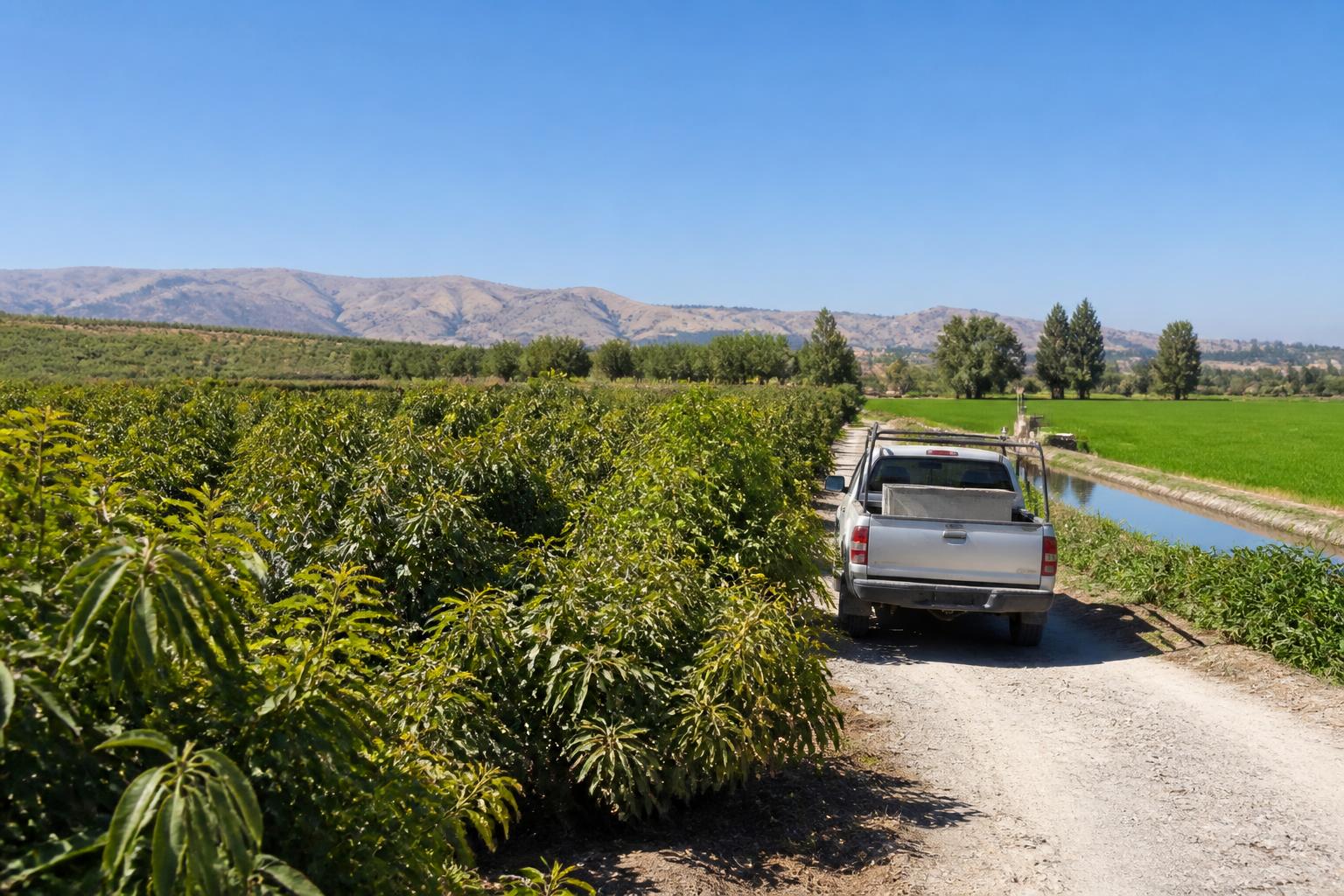
As summer heat settles across the Central Valley and California's coastal valleys, growers are navigating a complex regulatory and environmental landscape. With the state poised to enact tighter restrictions on certain crop protection tools, particularly bee-killing pesticides, agricultural operations must adapt quickly to keep their fields productive and compliant. These policy shifts come alongside rising operational costs and volatile weather patterns that continue to test the resilience of local agribusinesses.
For operations from the Sacramento Valley down to the southern reaches of the San Joaquin Valley, managing inputs efficiently is no longer just about optimizing yield - it is a regulatory necessity. To stay ahead of these shifts, many operations are reviewing California crop protection and summer compliance protocols to ensure they align with the latest regional mandates.
Pesticide Restrictions and the Push for Biological Alternatives
The regulatory environment in California is rapidly evolving, with state officials poised to implement new restrictions on pesticides harmful to pollinators. These impending limits on bee-killing chemicals are forcing pest control advisers and crop managers to look closely at alternative pest management frameworks. In coastal fruit-growing regions and inland nut orchards, this transition requires a careful balancing act to prevent pest damage while maintaining compliance.
At the same time, regional logistics corridors, such as Highway 99 and Interstate 5, are busy carrying alternative biological inputs and precision application equipment to farms looking to reduce synthetic chemical dependencies. These shifts are encouraging a broader adoption of integrated pest management practices across a wide range of specialty and field crops.
Innovations in Nitrogen and Fertilizer Management
Nutrient runoff and soil management are also under intense scrutiny. A newly released nitrogen assessment for California highlights promising solutions designed to reduce fertilizer losses in the soil. These strategies aim to help growers limit environmental impacts while maintaining crop productivity. Academic institutions are stepping in with potential long-term solutions; for instance, researchers at UC Davis are studying wheat varieties capable of producing their own fertilizer, which could eventually reduce reliance on synthetic nitrogen inputs.
In the near term, growers are focused on precision placement and timing to maximize efficiency. Navigating these changes is critical for maintaining margins, especially given how summer fertilizer price trends in California have previously forced growers to re-evaluate their input purchase timing and application rates.
Acreage Shifts and Water Adaptations
Water availability remains a driving force behind planting decisions across the state. While some sectors, like almond orchards, have historically continued to expand acreage, other planting decisions point to significant fallowing in water-stressed districts. Adapting to an increasingly volatile water future is prompting a shift toward climate-resilient practices, including regenerative agriculture sourcing models adopted by major food brands and full-cycle frameworks in berry production.
This mix of fallowed land and shifting crop patterns is altering the regional logistics landscape. Trucking companies and grain handlers must remain flexible as crop volumes shift. Understanding these dynamics is essential when navigating the broader California grain harvest and regulatory pressures that characterize the current summer season.
What it means for the market
For California agribusinesses, the combination of incoming pesticide restrictions, strict nitrogen management guidelines, and water volatility requires a proactive approach to crop protection. Growers who invest in early compliance and biological alternatives will be best positioned to weather the regulatory transition. Input suppliers and crop advisors should prepare for increased demand for precision-application technologies and compliant biological solutions as growers seek to protect their yields under increasingly tight state standards.
Comments
No comments yet — be the first to share your take.