
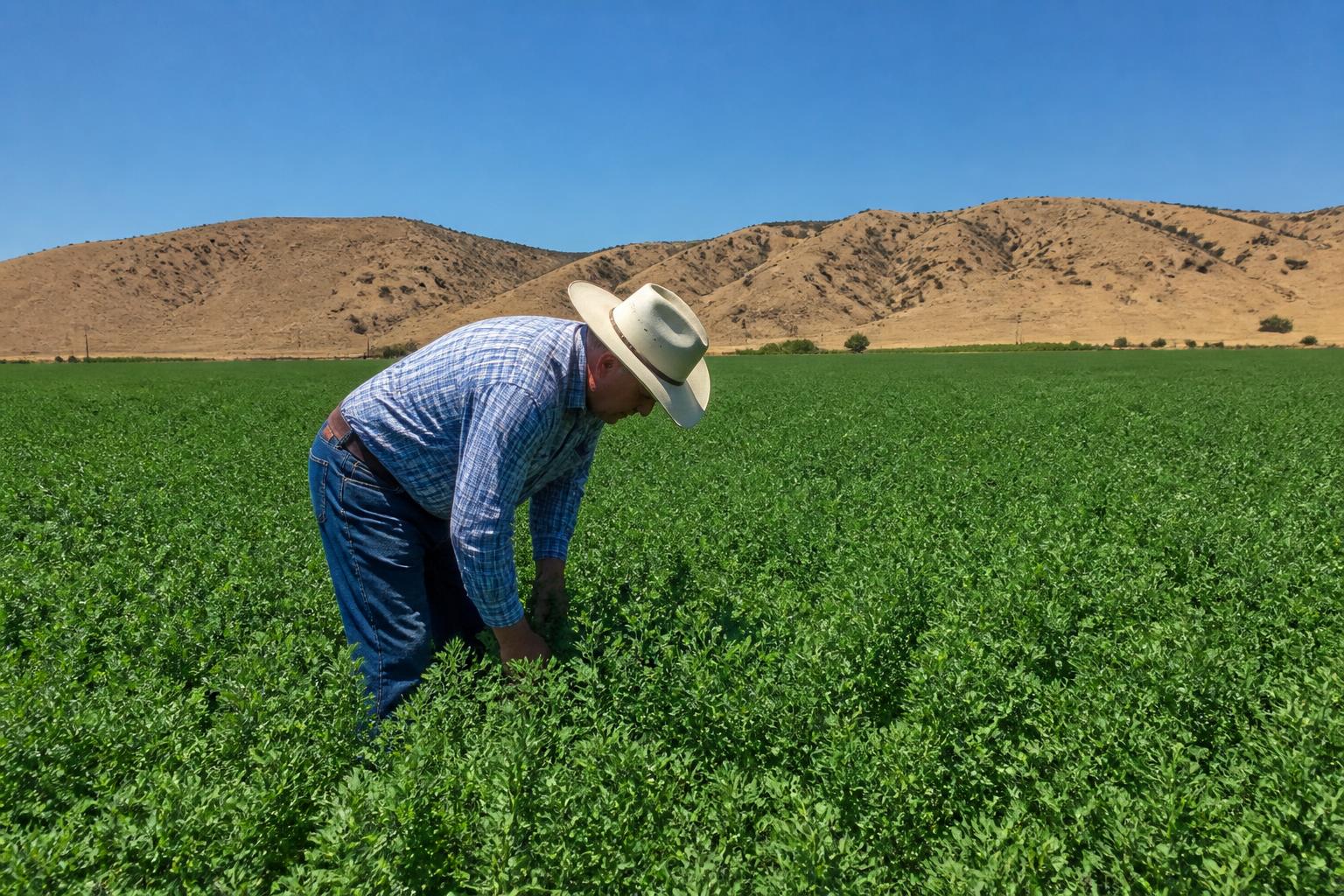
California growers are facing a complex network of biosecurity measures, regulatory enforcement actions, and crop protection challenges as the dry summer months settle over the state. Navigating these overlapping hurdles requires strict compliance, particularly as agricultural authorities implement regional quarantines and issue direct mandates on input safety. Keeping crops viable under tight regulatory frameworks has become a primary operational focus for operations across the Central Valley and southern counties.
From pest containment zones to sudden regulatory adjustments on agricultural inputs, staying ahead of compliance issues is essential to preventing market disruptions. For crop handlers, input suppliers, and growers alike, understanding these regional protection challenges is key to keeping logistics running smoothly during a busy summer shipping season.
Pest Containment: The Caribbean Fruit Fly Quarantine
Biosecurity protocols have tightened significantly in Southern California following the establishment of a Caribbean fruit fly quarantine targeting the Montebello region. This quarantine restricts the movement of host plants and fruits from designated boundaries, forcing local growers and shippers to adopt strict treatment and certification measures before moving commodities through regional transit corridors.
Pest exclusions are a critical defense line for California agriculture, where a single undetected outbreak can close key export gateways. Local agricultural commissioners and state officials work closely with transport partners to monitor compliance. For carriers operating along major southern shipping routes, verifying origin documents and ensuring compliance with quarantine boundaries is essential to avoid delays and heavy fines.
Input Safety and Regulatory Enforcement
Input verification remains a top concern following the state's decision to issue a "stop-use" order on certain organic fertilizer products. Regulatory actions like these highlight the vulnerability of specialty crop systems that rely on certified inputs. When a major input is suddenly restricted, growers must rapidly pivot to alternative sources to maintain crop health without violating certification standards.
To navigate these sudden regulatory shifts, many operations are relying heavily on Certified Crop Advisers (CCAs). These advisors act as critical intermediaries, translating state environmental and safety mandates into practical field strategies. With input costs remaining high and compliance rules tightening, growers are already reevaluating local fertilizer strategies to protect thin profit margins and secure alternative, compliant nutrients.
Mitigating Summer Stress and Investing in Longevity
In addition to regulatory compliance, direct crop protection during the summer heat requires careful orchard and field stress management. Maintaining tree health in permanent crops is vital for sustaining yields through seasonal heatwaves. Proactive orchard management, including optimized irrigation timing and targeted canopy protection, helps prevent long-term damage to high-value nut and fruit crops.
While short-term stress mitigation keeps current crops viable, long-term sustainability is receiving substantial structural support. For instance, the University of California, Riverside, was recently awarded 1.5 million dollars to advance sustainable agriculture initiatives. These ongoing research efforts are aimed at discovering resilient cultivation practices, which will be essential for growers navigating summer regulatory pressures in California in the years ahead.
Key Takeaways for California Agribusinesses
- Quarantine Compliance: Ensure all cargo originating near or passing through the Montebello quarantine zone complies with Caribbean fruit fly transport restrictions.
- Input Verification: Regularly check state databases for active stop-use orders on fertilizers and crop protection chemicals to protect certified operations.
- Leverage Advisory Experts: Work closely with CCAs to adapt spray and nutrient programs quickly when regulatory mandates disrupt standard practices.
What it means for the market
The convergence of active pest quarantines, strict fertilizer oversight, and seasonal heat highlights the rising cost of compliance in California agriculture. As regulators increase enforcement, agribusinesses must build flexibility into their supply chains to accommodate sudden input changes and restricted shipping zones. While these protective measures safeguard the state's broader export reputation, they demand higher management oversight and swift operational adjustments to keep farm-gate margins viable through the summer.
Comments
No comments yet - be the first to share your take.