
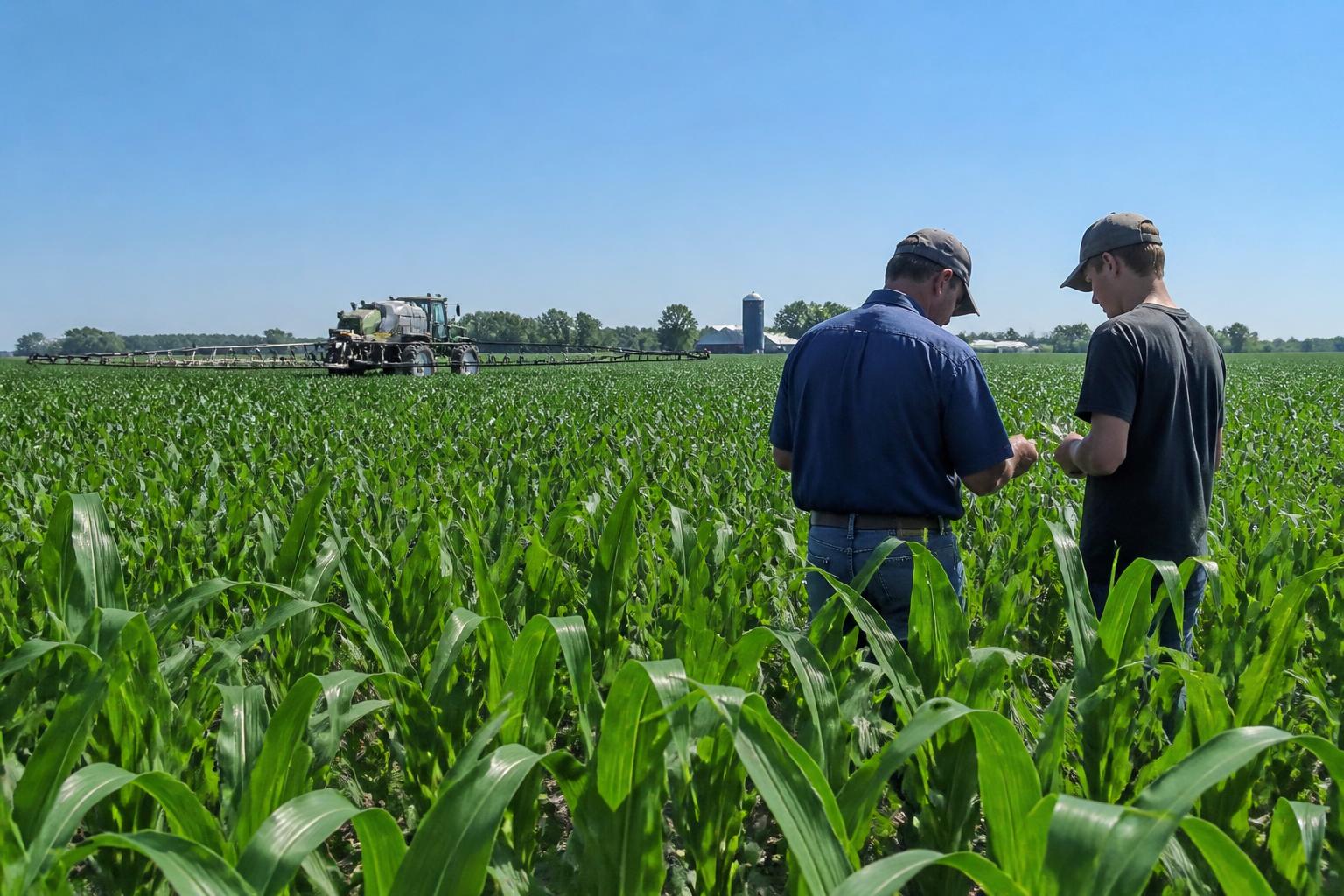
As summer heat settles across Michigan, agricultural producers from the Thumb to the West Michigan fruit belt are pivoting to intensive crop protection and risk management strategies. Protecting potential yields against mid-season pest pressures, disease, and market volatility remains a primary focus for growers seeking to secure their bottom lines. With new pesticide registrations, cutting-edge application technologies, and expanded crop insurance safety nets now active, the toolkit for safeguarding Michigan crops has expanded significantly.
Managing operational risk this summer requires a dual approach that addresses both field-level agronomic threats and economic market pressures. Recent regulatory decisions and technological advancements are providing more specialized options, helping producers optimize input efficiency while keeping safety and compliance at the forefront of their operations.
New Tools for Chemical and Precision Application
In field-level defense, Michigan growers have access to new crop protection chemistry following the EPA registration of Nufarm's Naxypro insecticides. Having targeted options for insect management is critical during the peak summer pressure period when populations can spike rapidly. Applying these tools effectively is also undergoing a technological shift. The FAA recently approved a first-of-its-kind autonomous sprayer for agricultural use, paving the way for unmanned, highly precise application methods that can reduce chemical waste and minimize operator exposure.
These developments align with broader precision agriculture strategies promoted by institutions like Michigan State University. Precision technology allows farmers to apply inputs only where needed, mitigating environmental impact and keeping variable costs in check. For those tracking broader chemical application trends, staying informed on mid-summer management and applicator compliance is essential to ensure applications remain both legal and effective.
Expanding Financial Protections and Margin Security
Beyond biological pests, Michigan farmers are actively managing financial volatility. The USDA's Margin Protection program has expanded its coverage options for Michigan field crops, providing a robust mechanism for growers to insure against unexpected drops in operating margins. This expansion comes at a critical time; a recent MSU study highlighted significant production cost pressures facing specialty crop producers, such as tart cherry growers, and Michigan corn producers recently voted to reject a proposed assessment increase, leaving operations to find efficiency elsewhere.
Using benchmarking resources like MSU's Telfarm program can help family farms compare their performance against regional averages. Combining these financial assessments with grain marketing decision tools allows operators to protect their revenues even when commodity prices fluctuate. Securing margins is particularly important when navigating summer input costs, ensuring that unexpected chemical or fertilizer price shifts do not erode seasonal profitability.
Legal Wins and Farm Safety Priorities
On the legal front, the agricultural community is digesting the U.S. Supreme Court's ruling in Monsanto v. Durnell, a decision widely viewed by industry advocates as a landmark victory for agricultural biotechnology and intellectual property rights. This ruling reinforces the legal protections surrounding patented seed technologies, providing long-term regulatory certainty for manufacturers and the growers who rely on advanced genetics.
Meanwhile, physical safety on the farm remains paramount as operations gear up for summer maintenance and early harvest prep. Agricultural safety experts continue to emphasize the importance of grain bin and manure pit safety education. Preventive training and proper air-monitoring protocols in confined spaces are crucial, as quick-reaction awareness saves lives during busy operational seasons.
"Combining advanced autonomous application tools with expanded federal margin insurance gives Michigan producers a more resilient shield against both environmental and financial volatility this season."
Key Takeaways for Michigan Producers
- Evaluate New Chemistries: Consider integrating newly registered options like Naxypro insecticides into summer pest management plans where applicable.
- Explore Autonomous Application: Stay informed on FAA-approved autonomous spraying systems to potentially improve targeting and reduce manual labor requirements.
- Leverage Insurance Updates: Review the newly expanded Margin Protection program rules to determine if updated coverage fits your field crop risk profile.
- Prioritize On-Farm Safety: Review confined-space safety protocols with employees and family members before beginning grain bin or manure pit maintenance.
What it means for the market
The combination of new chemical tools, autonomous application approvals, and expanded margin insurance options provides Michigan's agricultural sector with a stronger safety net in a volatile economic climate. By leveraging precision technologies and strategic crop insurance, growers can better mitigate the risks of high input costs and crop damage. In the long run, these advancements help stabilize regional supply chains, ensuring that Michigan grain, vegetable, and fruit producers remain competitive in the national marketplace.
Comments
No comments yet — be the first to share your take.