
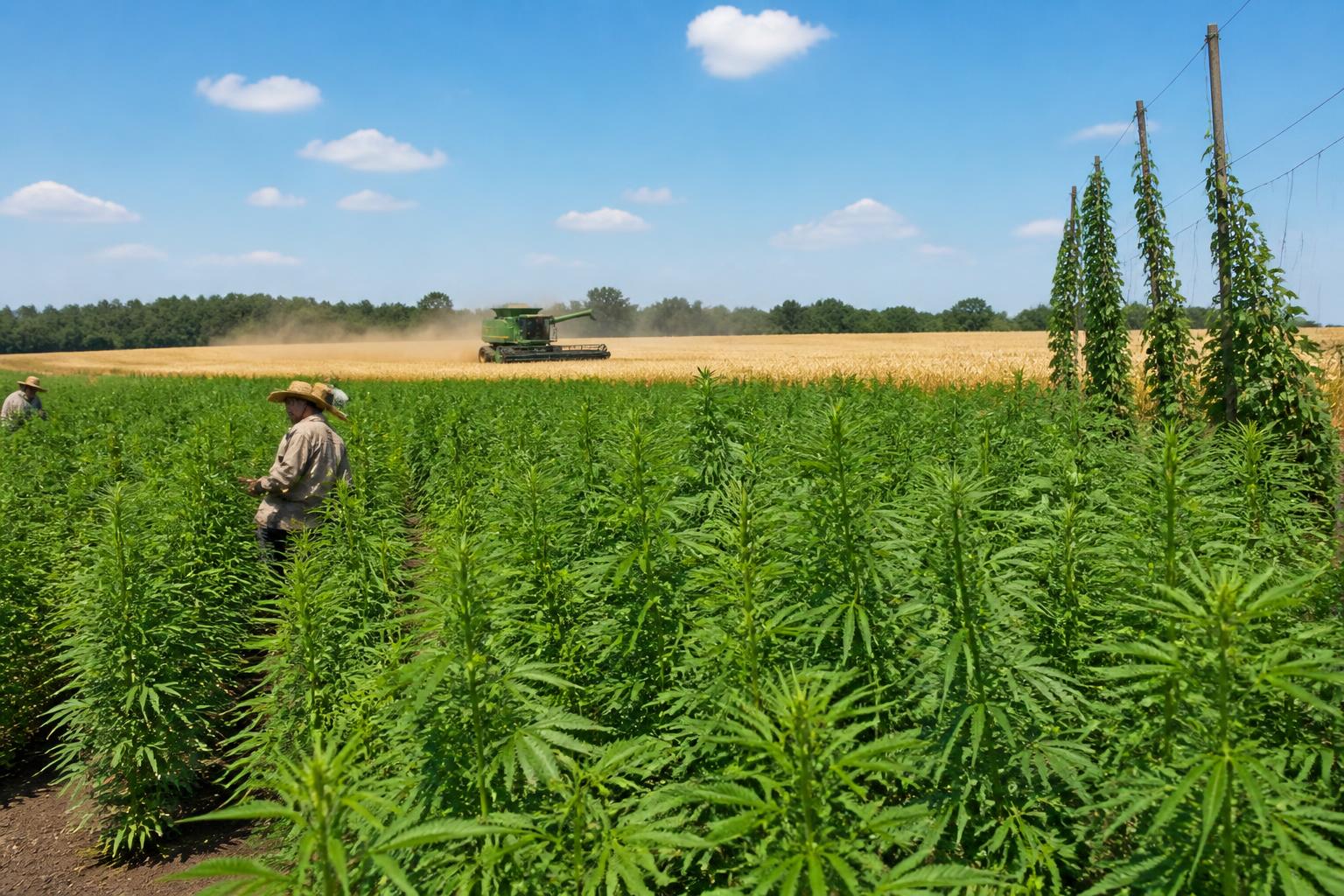
As summer heat intensifies across Michigan, crop protection and regulatory compliance have taken center stage for the state's growers. From the specialty hop yards of western Michigan to the expansive grain fields of the Thumb and southern counties, maintaining crop health requires precise chemical applications, proactive disease monitoring, and up-to-date professional licensing.
Agribusinesses and applicators are currently balancing active field management with long-term planning, particularly as new regional research investments and educational deadlines emerge to shape the local protection market.
Securing Compliance: Pesticide Applicator Recertification
For Michigan agricultural pesticide applicators, staying compliant with state regulations is a top priority as summer applications continue. Michigan State University is offering both in-person and online opportunities to earn pesticide applicator recertification credits before the end of the year. This flexible scheduling allows private and commercial applicators to secure their credentials without disrupting critical summer field activities.
Keeping these certifications updated is essential for maintaining access to restricted-use crop protection tools. With mid-season management requiring careful attention to chemical spray plans, understanding broader Michigan summer input and fertilizer shifts is critical for budgeting overall crop protection programs and managing crop health costs effectively.
R-and-D Investments Drive Protection Innovations
On the technology front, Midland, Michigan is solidifying its position as a central hub for future crop protection innovations. Corteva Agriscience broke ground on a 27.5 million dollar research and development laboratory in Midland. This state-of-the-art facility is designated to advance the discovery and production of next-generation crop protection solutions.
This substantial investment highlights the long-term industry commitment to providing growers with more targeted, efficient, and sustainable chemistry options. While these laboratory developments represent future tools, they reflect the rapid pace of change in the inputs sector, forcing growers to constantly evaluate their chemical rotation strategies.
Summer Specialty Crop Challenges
Michigan's diverse specialty crop sector requires constant scouting during the summer months. Hop growers across the state have tracked development closely through May and June 2026, managing seasonal disease and pest risks unique to the Great Lakes climate. High humidity can trigger rapid downy mildew spread, requiring precise fungicide application timing to protect crop quality.
Managing these specialized crop protection schedules goes hand-in-hand with keeping regional supply lines open. Efficiently moving inputs to the field and planning post-harvest logistics are crucial components of a farm's summer strategy, especially as Michigan grain infrastructure and logistics evolve to handle seasonal transportation pressures.
Key Takeaways for Michigan Growers
- Plan Recertification Early: Utilize Michigan State University's online and in-person credit options to meet applicator requirements well before the year-end deadline.
- Monitor Disease Pressures: Keep a close eye on weekly crop reports and localized moisture levels, particularly for sensitive crops like hops and hemp.
- Watch Midland R-and-D: Track developments at the new Midland facility for insight into next-generation chemical solutions entering the pipeline.
What it means for the market
The integration of advanced chemical research, accessible educational resources, and timely disease management is reinforcing Michigan's agricultural resilience this summer. For local agribusinesses and input buyers, staying ahead of pesticide application rules and biological pressures ensures that mid-season crop protection expenses translate directly into protected yields and higher quality grain at harvest.
Comments
No comments yet - be the first to share your take.