
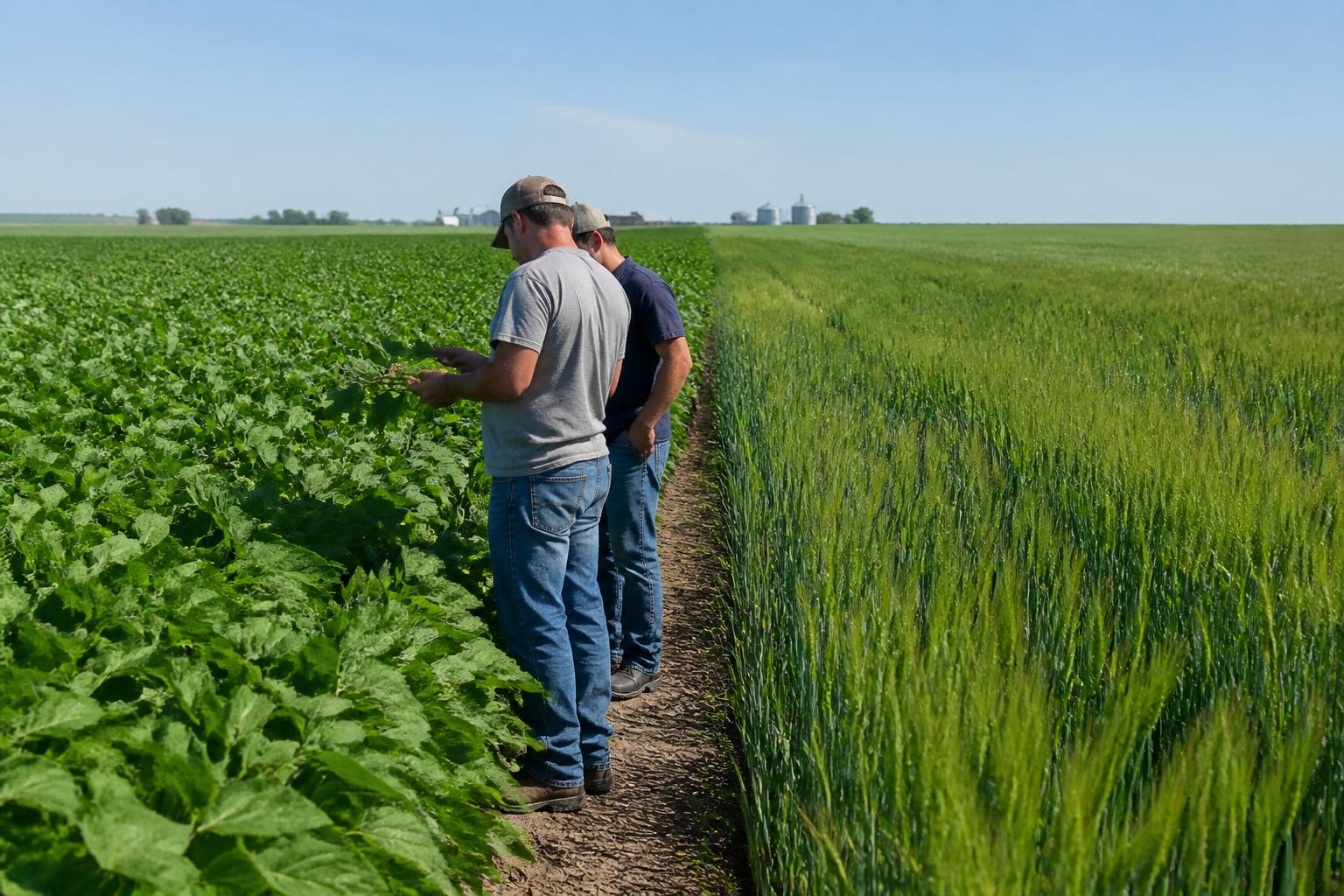
Early summer 2026 brings critical trade discussions, infrastructure updates, and farm bill negotiations to the forefront for Washington grain growers. As the dryland fields of Eastern Washington prepare for the upcoming winter wheat harvest, local stakeholders are closely tracking how federal policy developments and logistical improvements will impact regional export pipelines.
Federal Trade and Policy Under Close Watch
With major legislative decisions on the horizon, industry representatives, including U.S. Wheat Associates, have been actively participating in the NAFB Washington Watch to keep wheat industry priorities in front of lawmakers. Growers in Washington and across the country are closely monitoring progress on the farm bill and potential shifts in global trade. Discussions at the federal level have highlighted potential major commodity purchases by China, alongside proposed farm relief packages and trade strategies targeting international markets like Iran.
These international developments are critical for Washington state, where a vast majority of the soft white wheat grown is destined for overseas buyers. Securing stable, high-value export pathways remains a top priority as producers manage seasonal marketing strategies.
Strengthening PNW Rail and Port Pipelines
To keep grain moving efficiently from inland elevators to coastal terminals, robust regional logistics are essential. Ongoing investments in port and rail infrastructure are key to maintaining the Pacific Northwest's competitive edge. Efficient rail corridors and terminal upgrades help prevent bottlenecks, ensuring that Washington grain can quickly reach international markets.
Local growers and grain handlers often rely on these highly integrated transport systems to navigate periods of market volatility. Understanding these supply chain dynamics is vital, especially when navigating low prices and infrastructure expansion across regional transportation networks. Ensuring that the rail system can handle high-capacity movements prevents costly delays during peak harvest windows.
For more details on how these shipping corridors are evolving, local operators can review recent analysis on regional infrastructure expansion and shifting export routes, which highlights the critical link between dryland counties and deepwater ports.
Biosecurity and Crop Protection Priorities
On the crop health front, biosecurity and disease management continue to demand attention. Nationally, lawmakers have introduced new legislation aimed at strengthening U.S. food security and agricultural biosecurity through collaborative partnerships. While the first tar spot cases of 2026 have been confirmed far to the east in Kansas, Washington growers remain alert to regional fungal pressures and local crop protection requirements.
Maintaining access to reliable crop protection tools is crucial for preserving grain quality and yield potential during dry summer conditions. This focus on crop health and regulatory compliance comes at a time when export demand remains strong, as noted in updates regarding how wheat exports hit multi-year highs while navigating complex legal and environmental frameworks.
Key Takeaways for Washington Growers
- Policy Vigilance: Stay informed on farm bill progress and evolving bilateral trade relations that could shift global demand for U.S. grains.
- Logistical Efficiency: Coordinate early with local elevators and transporters to secure capacity ahead of the peak summer harvest rush.
- Crop Health Monitoring: Keep a close eye on local disease developments, even as major national biosecurity and crop health concerns emerge in other regions.
What it means for the market
For Washington grain growers, handlers, and exporters, the intersection of federal trade policy and regional transport efficiency will dictate the profitability of this year's crop. With global trade patterns remaining highly sensitive to political shifts, maintaining a fluid, well-supported logistics corridor from Eastern Washington to the Pacific ports is the best defense against market disruptions. Buyers and carriers should prepare for steady export demand while keeping a close eye on ocean freight rates and domestic rail performance through the summer months.
Comments
No comments yet — be the first to share your take.