
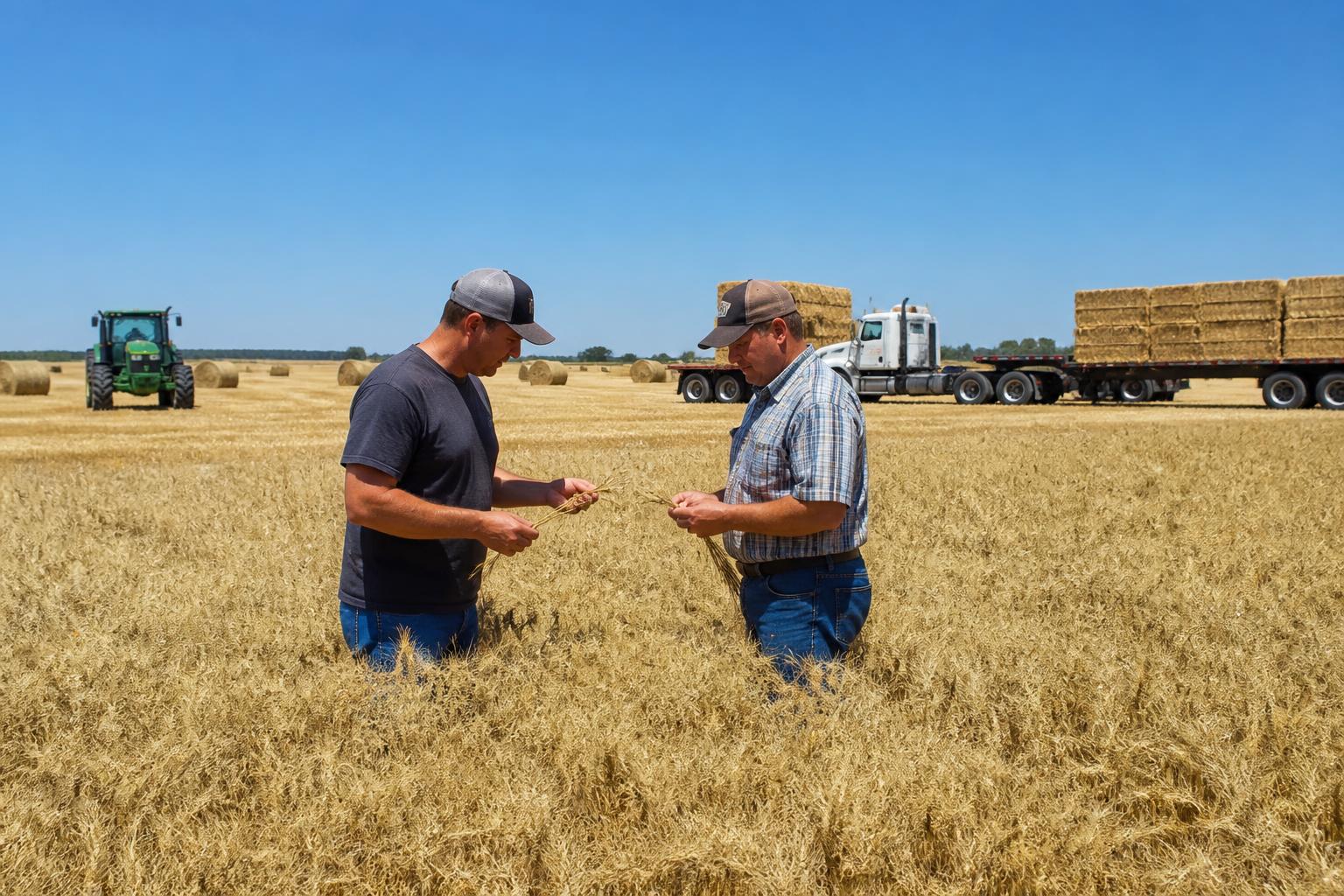
Pacific Northwest grain producers are navigating a complex landscape of opportunities and challenges this summer. While export channels are experiencing a significant volume boost, a critical legal battle over glyphosate is heading to the U.S. Supreme Court, threatening to reshape weed management strategies. For Washington wheat growers preparing for the busy summer harvest, these shifting global and regulatory dynamics will heavily influence near-term logistics and long-term operating margins.
Export Volumes Surge to Multi-Year Highs
According to U.S. Wheat, export shipments have reached their highest levels since the 2020-2021 marketing year. This surge in international demand represents a major milestone for growers across the region. In Washington, soft white and hard red winter wheat varieties are typically routed through the Columbia River system and deepwater ports along the Puget Sound to reach buyers across the Pacific Rim.
While high export numbers provide a strong foundation for local demand, managing storage capacity and local logistical bottlenecks remains a primary focus for elevators and shippers. Producers can find deeper context on managing these local transport and pricing dynamics in our review of the Washington grain market.
Glyphosate Case Reaches the Supreme Court
While demand remains strong, the regulatory outlook for essential inputs is facing renewed scrutiny. The U.S. Supreme Court is hearing a case involving glyphosate, the active ingredient in many widely used crop protection formulas. The eventual ruling could have major implications for the labeling, sale, and general availability of these herbicides nationwide.
For dryland farmers in Eastern Washington, glyphosate is often a cornerstone of low-till and conservation tillage practices, which are vital for conserving soil moisture in arid conditions. Any changes to the legal standing or availability of these tools may force growers to seek alternative weed management programs, potentially raising operational costs at a time when input margins are already tight.
Key Takeaways for Washington Producers
- Strong Export Pace: U.S. wheat exports are pacing at their highest rate since the 2020-2021 marketing year, supporting regional basis and movement.
- Regulatory Risks: The Supreme Court glyphosate case could disrupt the long-term cost and availability of standard weed control programs.
- Summer Logistics: Growers should coordinate closely with local elevators to ensure smooth delivery schedules as export demand pulls grain through the PNW corridor.
What it means for the market
The convergence of robust export demand and high-stakes legal proceedings highlights the dual nature of today's agricultural economy. On one hand, foreign buyers are actively absorbing PNW grain, helping clear regional storage bins and supporting localized pricing structures during the summer harvest. On the other hand, potential shifts in federal pesticide regulations threaten to alter production practices and increase input costs in the seasons ahead. Washington growers and agribusinesses must remain agile, securing necessary inputs early while capitalizing on the current export momentum to secure favorable marketing windows.
Comments
No comments yet - be the first to share your take.