
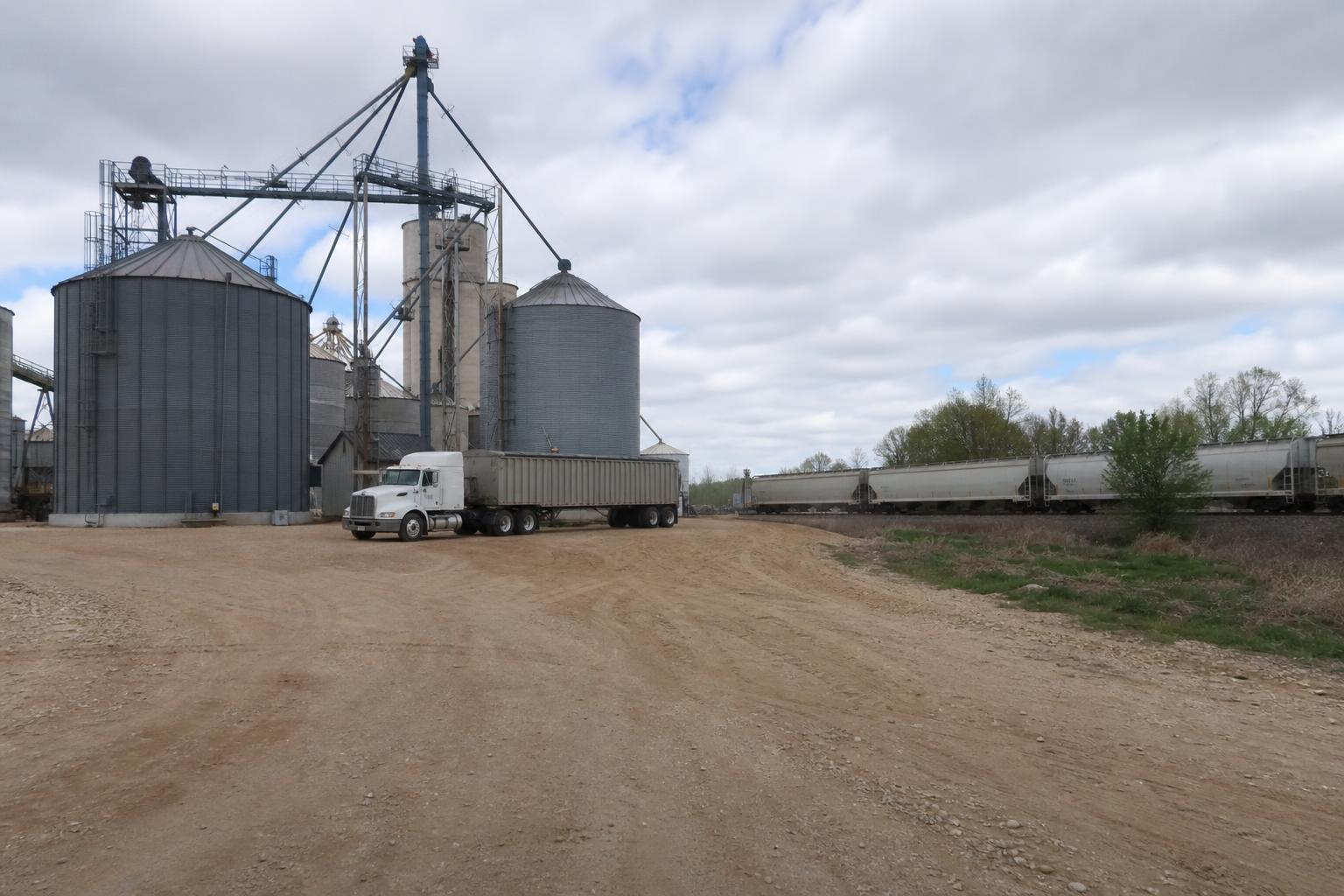
U.S. grain transportation is a margin issue as much as a movement issue. When trucks, railcars, barges and export slots do not line up, the impact can show up in basis, delivery schedules, demurrage risk and working capital needs for elevators and handlers.
For farmers and grain buyers, the key is not just where the board trades. It is whether local freight can clear grain at the time a sale, basis contract or export program needs execution. That makes logistics planning a daily market task, especially for users watching the next selling window alongside basis, crop reports and bin space.
Freight timing is part of the cash bid
Cash grain values can change when freight capacity becomes easier or harder to secure. A local bid may look attractive, but the delivered return depends on trucking availability, elevator receiving hours, rail placement, barge loading access and the cost of getting grain to the next buyer.
Farmers should compare bids on a delivered basis, not only the posted price. Elevators and merchandisers should keep freight assumptions visible in purchase offers, basis levels and nearby delivery pushes.
When grain has to move quickly, the lowest nominal freight option is not always the best option. A more reliable truck appointment, rail slot or barge loading plan can protect execution and reduce the risk of missed shipment windows.
Rail, barge and truck each carry a different risk
Rail is central for longer haul grain movement, especially where shuttle loading or unit train programs connect interior grain to processors, feeders or export channels. The practical watch items are car supply, placement timing, turn cycles and the ability to load within the committed window.
Barge movement remains important for river-connected grain, particularly where export demand pulls grain toward Gulf channels. Barge logistics depend on terminal scheduling, river conditions, tow availability and the ability of interior elevators to stage grain before the loading window.
Truck freight is the most flexible piece of the system, but it is also the first place many local bottlenecks appear. Harvest pressure, road restrictions, driver availability, elevator lines and processor receiving hours can all change the real cost of moving grain.
For a broader look at how freight timing can interact with basis, see the related AgroPost brief on grain logistics and the next basis move.
Export flow planning starts inland
Export movement is often discussed at the port, but execution problems usually begin earlier. Grain has to be originated, conditioned, loaded, documented and delivered before an export sale can clear smoothly.
For handlers, the most useful planning question is simple: can the interior supply chain meet the export slot without forcing last minute freight coverage? If the answer is uncertain, basis and freight offers should reflect that risk.
Export-focused elevators should also keep communication tight with carriers and downstream buyers. A change in load timing, inspection needs or vessel program expectations can quickly affect how much grain should be pushed into the system.
Key takeaways for grain shippers
- Compare bids after freight. A higher local bid may not win if truck mileage, wait time or delivery limits reduce the net return.
- Protect appointment quality. Reliable delivery slots can be worth more than a small freight savings when grain needs to move on time.
- Watch mode switching. If rail or barge timing weakens, more pressure can shift to trucks and nearby storage.
- Keep basis and freight together. Merchandising decisions should reflect both the grain price and the transportation path.
- Plan input and backhaul moves together. Fertilizer and grain freight can compete for trucks in some local markets, so delivered cost planning matters for both sides. AgroPost recently covered that issue in a U.S. fertilizer delivered cost brief.
What it means for the market
U.S. grain logistics should be treated as a live part of price discovery. Farmers, elevators, carriers and exporters that confirm freight early, measure bids on a delivered basis and stay flexible across truck, rail and barge options are better positioned to capture basis opportunities when the next movement window opens.