
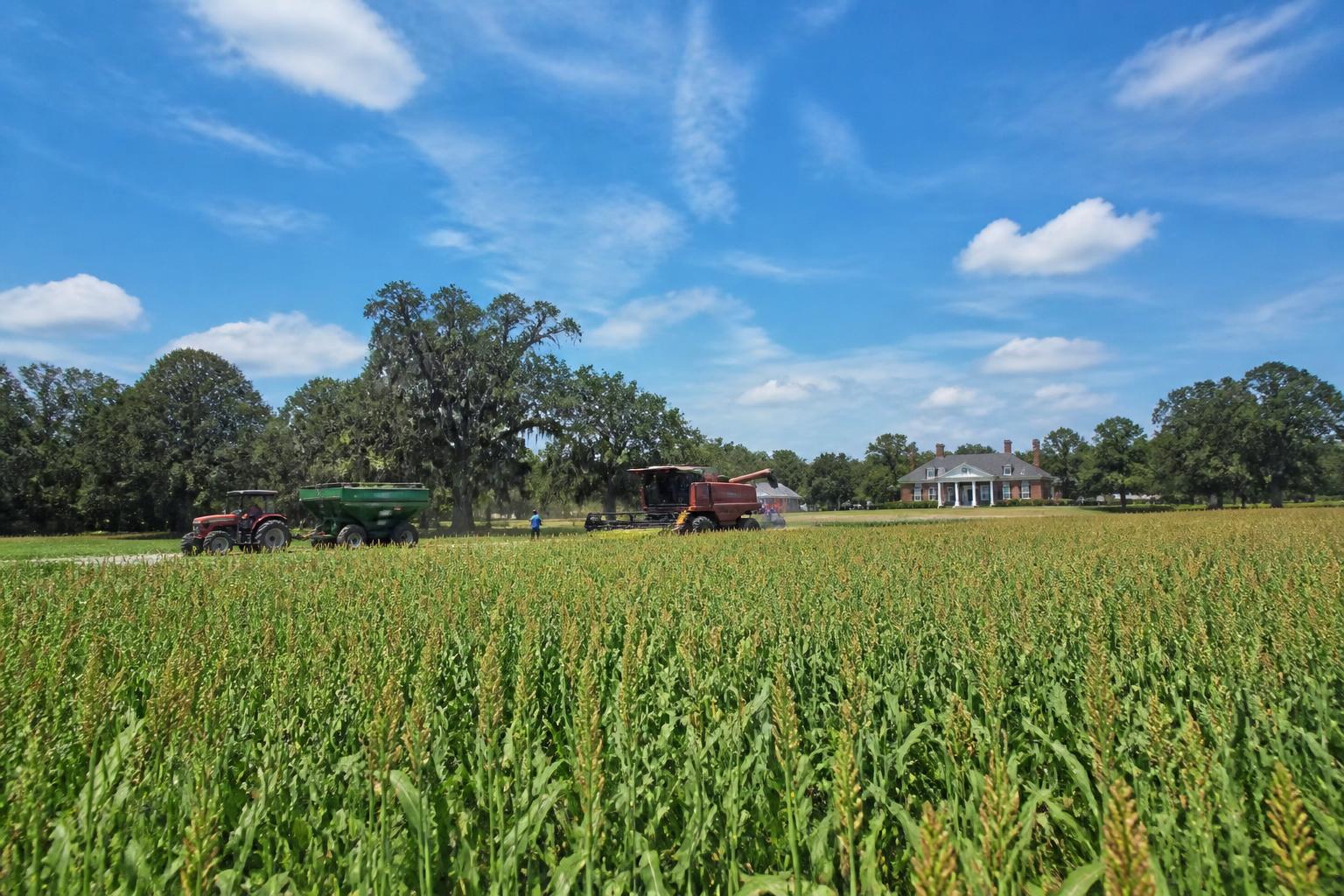
Summer in South Carolina brings a heavy operational load for agricultural logistics. Shippers, grain handlers, and private carriers across the Palmetto State are actively managing the movement of summer-harvested grains, specialty crops, and livestock. Connecting local fields in the Pee Dee and Lowcountry regions to key processing facilities and the Port of Charleston requires close coordination of truck capacity and regulatory compliance.
As heat levels rise in late June, local transport managers are optimizing routes along critical corridors like Interstate 26 and Interstate 95. Maximizing backhaul opportunities and securing reliable hopper bottom and dry van capacity remains a top priority to keep local supply chains moving efficiently without costly delays.
Balancing Multi-Crop Transport Demands
South Carolina's diverse agricultural landscape means carriers must quickly transition between different commodity types. While traditional grains like corn and soybeans dominate seasonal planning, alternative dryland options like grain sorghum are increasingly carving out a niche in local rotations. Sorghum fits well in sandy coastal plain soils, but its harvest and transport require clean, dry hopper bottoms to maintain grain quality and prevent cross-contamination at regional elevators.
At the same time, direct-to-consumer and local retail networks, exemplified by historic sites like Boone Hall Plantation and community-focused hubs like Willie's Roadside Market, rely on steady, short-haul refrigerated transport. Ensuring that fresh specialty crops transition seamlessly from regional fields to local markets requires highly flexible, small-to-medium fleet operations that can handle frequent stops and tight delivery windows.
Infrastructure Priorities and Port Connectivity
The flow of bulk commodities toward regional terminals highlights the critical relationship between South Carolina's highways and maritime shipping. Staying updated on South Carolina summer freight flows is essential for operations looking to avoid coastal bottleneck points and port congestion.
With regional export facilities handling a steady volume of bulk and containerized agricultural goods, container availability and rail scheduling remain major variables. Shippers are increasingly looking at intermodal rail logistics to buffer against volatile over-the-road trucking rates and driver shortages. This modal flexibility allows inland grain elevators to maintain consistent movement even during peak seasonal shipping periods.
Regulatory Agility and Emergency Readiness
Agricultural transport in the Southeast also demands extreme readiness for unexpected weather disruptions. South Carolina authorities have historically demonstrated regulatory flexibility during emergency situations. For instance, in response to major tropical weather events like Hurricane Idalia, the state has previously suspended certain animal interstate transport and health certificate requirements to allow rapid livestock evacuations and transport safety.
Carriers and livestock haulers should maintain close communication with the South Carolina Department of Agriculture and Clemson University extension offices. Being aware of temporary Department of Transportation (DOT) weight waivers or emergency declarations during the active summer storm season can prevent severe logistical bottlenecks when moving cattle, hogs, or poultry across state lines.
What it means for the market
For South Carolina agribusinesses, the primary focus this summer is securing freight capacity early and maintaining strict fleet maintenance schedules to cope with extreme heat. Hopper bottom capacity will tighten as local grain harvests pick up, making pre-arranged freight contracts highly valuable. Additionally, tracking port turn-times in Charleston and keeping abreast of potential state-level transport exemptions will give proactive logistics managers a distinct competitive edge as the summer shipping season progresses.
Comments
No comments yet - be the first to share your take.