
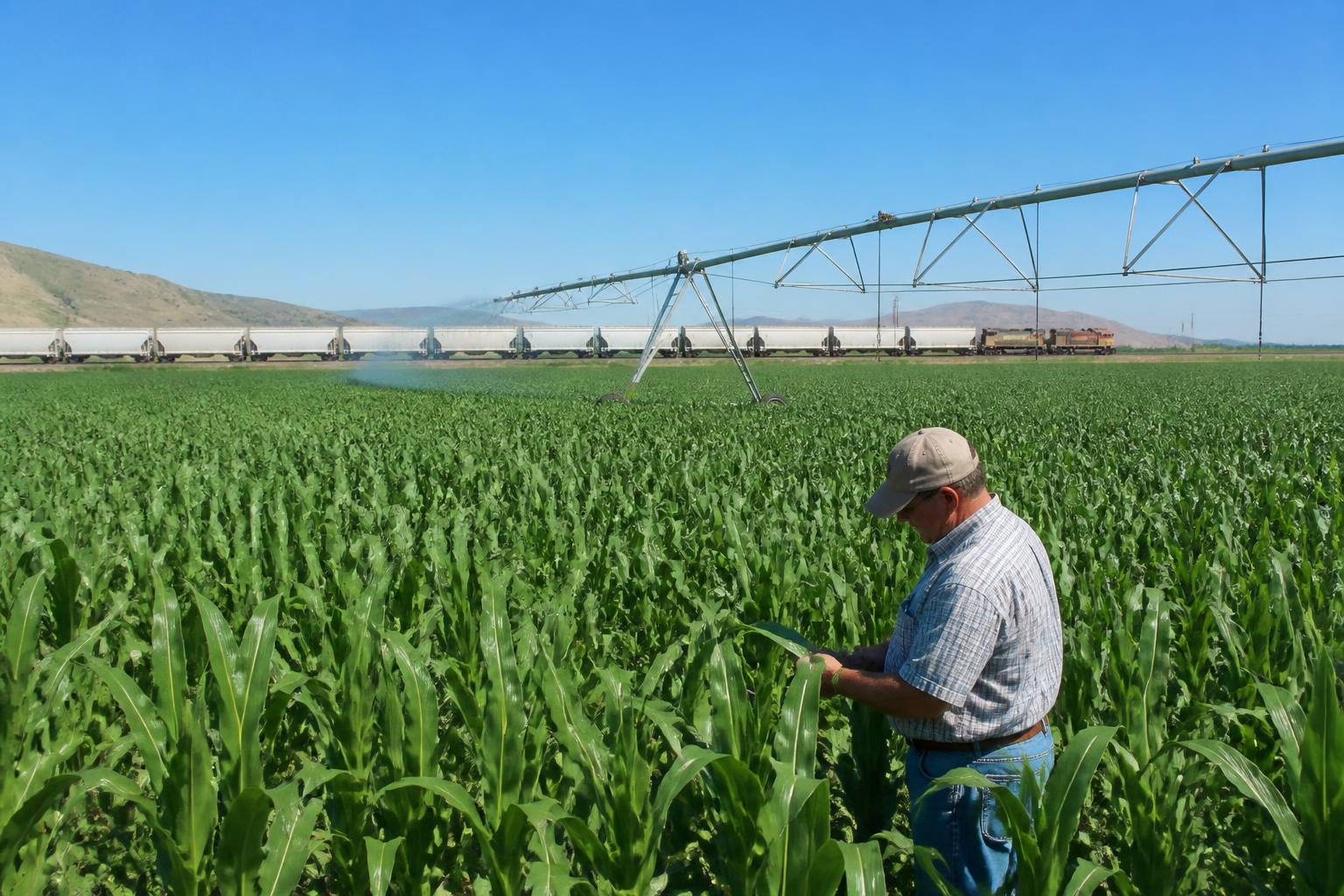
As summer heat settles across the Pacific Northwest, Idaho agribusinesses are facing a complex web of logistics challenges and infrastructure developments. Moving agricultural commodities across the Gem State requires a careful balance of trucking efficiency, rail access, and regulatory compliance. With freight corridors carrying everything from fresh summer produce to essential soil nutrients, local shippers are keeping a close eye on transport capacity and shifting regulatory frameworks.
For Idaho producers, transport efficiency is directly tied to the bottom line, especially as rising input costs and tight operating margins squeeze farm budgets. Recent moves to gather industry input on highway infrastructure, combined with regional capacity bottlenecks, highlight the need for flexible, multi-modal supply chains.
Idaho Truck-Weight Regulations Under Review
The movement of bulk agricultural products, including grains, sugar beets, and potatoes, relies heavily on heavy-duty trucking. To address the long-term sustainability of the state's roadway infrastructure, the Idaho Transportation Department has been actively collecting public and industry comments regarding truck-weight issues. Navigating these weight allowances is a constant balancing act for state regulators and ag haulers, who look to maximize load efficiency without causing premature wear on highways and bridges.
Changes in weight limits or permitting processes can significantly impact transport economics. This is particularly true for heavy bulk items, such as those navigating Idaho fertilizer logistics during peak seasonal application windows when timely deliveries are crucial for crop health.
Expanding Options with the Pocatello Intermodal Terminal
To ease the pressure on long-haul trucking and open new pathways to domestic and international markets, the Pocatello intermodal terminal has emerged as a key asset for regional shippers. The terminal provides Idaho farmers and grain handlers with direct access to rail container services, offering a cost-effective alternative to pure over-the-road transport.
By utilizing rail containers, local operations can bypass highway bottlenecks and transport bulk commodities directly to coastal ports. Keeping regional transport corridors efficient is vital as the Idaho grain sector seeks to expand its logistics reach and maintain competitiveness in global trade channels.
Reefer Shortages and Western Transport Pressures
While dry bulk shippers utilize rail and hopper trucks, specialty crop producers face a different set of obstacles. Shortages of refrigerated trucks (reefers) have periodically impacted parts of the western United States, creating localized capacity crunches during peak harvest periods. This shortage drives up freight rates and forces producers to secure transportation commitments well in advance.
These transport constraints underscore the importance of robust regional infrastructure. Having access to diverse shipping options is critical for helping local operations manage costs even when Idaho grain markets and specialty crop sectors face seasonal water and policy constraints.
Key Takeaways for Idaho Agribusinesses
- Weight limits matter: Keep engaged with Idaho Transportation Department updates, as weight permit modifications can directly alter per-ton shipping costs.
- Leverage intermodal options: The Pocatello terminal offers valuable rail connectivity to hedge against trucking volatility and high fuel prices.
- Secure freight early: Given recurring western reefer shortages, booking temperature-controlled capacity ahead of summer and fall harvests remains a necessity.
What it means for the market
In the current summer trading environment, physical grain and product movement is increasingly defined by transportation availability rather than just farm-gate prices. High input costs and logistics bottlenecks mean that efficiency gains on the road or rail directly translate to preserved margins. Idaho shippers who diversify their transport routes-combining local trucking with intermodal rail terminals-will be best positioned to handle seasonal capacity spikes and regulatory adjustments as the harvest season approaches.
Comments
No comments yet - be the first to share your take.