
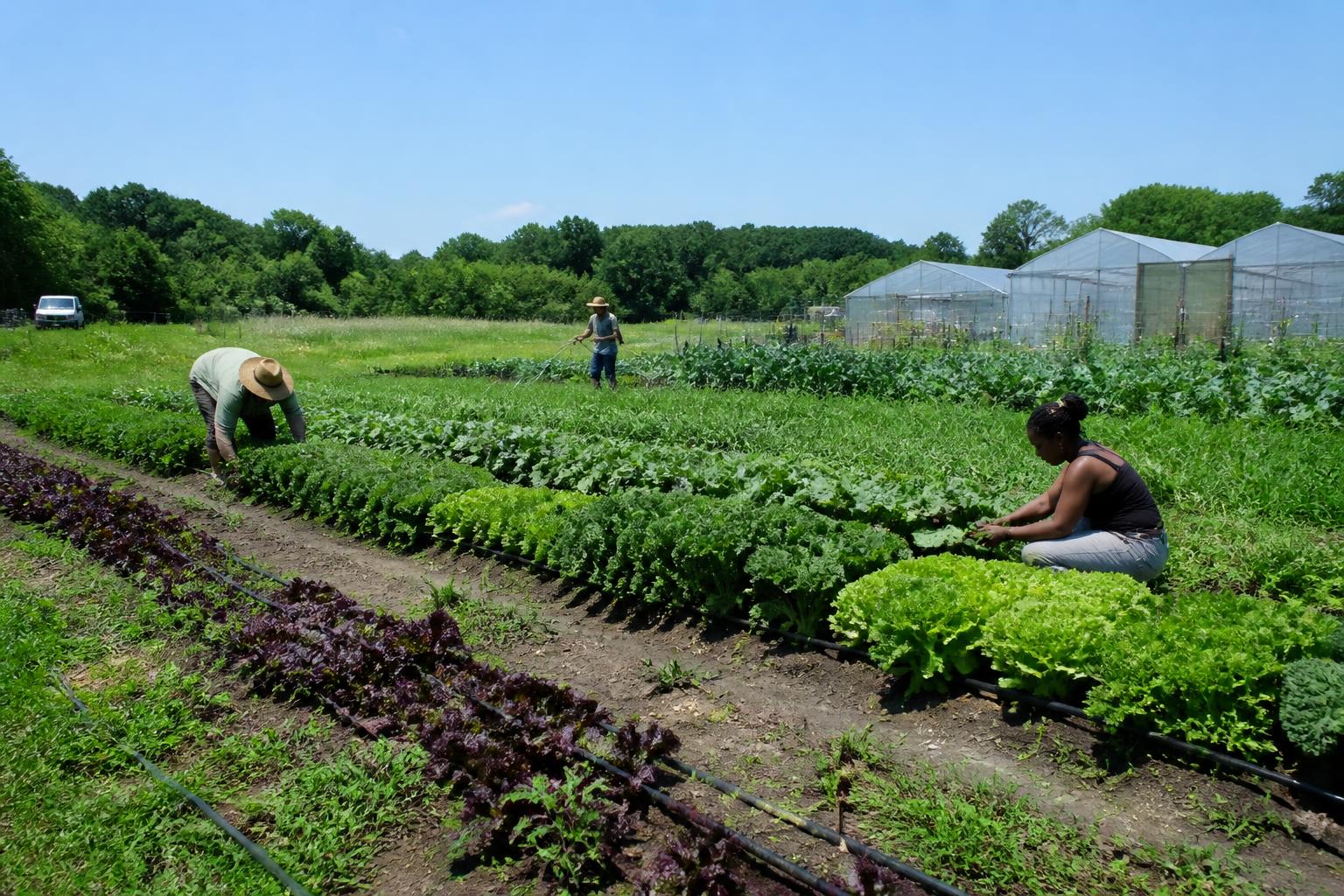
Summer logistics across the Commonwealth of Virginia are navigating a shifting landscape of rigorous border protections and expanding high-tech agricultural infrastructure. From busy air cargo terminals to interstate highway corridors, moving agricultural products during the warm season requires high precision, strict compliance, and reliable cold-chain management.
As regional supply chains adapt to seasonal volumes, carriers and producers are adjusting to both regulatory oversight at key entry points and the specialized transport needs of a growing indoor-farming sector.
Strict Biosecurity at Air Gateways Highlights Transport Risks
Virginia's role as a major hub for international agricultural imports means that transport providers must maintain strict compliance with biosecurity protocols. A recent enforcement action highlights the vigilance required at local ports of entry. U.S. Customs and Border Protection (CBP) agriculture specialists at Washington Dulles International Airport recently intercepted two harmful, non-indigenous insects within a single imported floral shipment.
Such interceptions emphasize the critical role of agricultural inspectors in preventing invasive pests from entering the local ecosystem and threatening domestic crop yields. For transport operators and logistics providers handling perishables, these enforcement actions underscore the necessity of immaculate documentation and pest-free cargo, as quarantine delays can quickly compromise the quality of high-value, time-sensitive shipments.
Controlled Environment Agriculture Demands Specialized Cold-Chain Solutions
Beyond traditional field crops, Virginia is rapidly positioning itself as a premier hub for Controlled Environment Agriculture (CEA). With major developments underway, such as Oasthouse Ventures planning a massive greenhouse cluster in the region, the logistics sector is preparing for a significant shift in freight requirements. Greenhouses and indoor growing facilities operate year-round, generating consistent, high-volume yields of leafy greens and vine crops that require immediate refrigeration.
This growth in CEA demands robust temperature-controlled logistics. Shippers along the Interstate 81 and Interstate 95 corridors must coordinate dependable refrigerated truck capacity to transport fresh produce from these controlled facilities to urban distribution centers. This evolution runs parallel to other regional shifts, including Virginia's ongoing grain renaissance, which continues to demand reliable dry bulk transport during the peak harvesting seasons.
Navigating Industrial Sprawl and Protecting Local Supply Chains
The physical footprint of agricultural logistics is also feeling the pressure of suburban expansion and industrial development. In counties like Loudoun, agricultural advocates and community leaders, including local winegrowers like Doug Fabbioli, are focusing on cultivating the next generation of farmers. Preserving local agricultural land is increasingly seen as vital for maintaining short, resilient supply chains that link rural farms to local consumer markets.
As commercial development competes with farmland, agricultural shippers face longer transit routes and localized traffic bottlenecks. To maintain efficiency, some logistics operators are monitoring neighboring regional developments, such as the regional transport adjustments in neighboring Maryland, to optimize multi-state routing and avoid congested metropolitan areas.
Key Takeaways for Virginia Shippers
- Biosecurity Focus: CBP inspections at entry points like Dulles Airport remain highly stringent, meaning import shippers must ensure absolute compliance to avoid costly quarantine delays.
- Cold-Chain Expansion: The rise of large-scale greenhouse clusters in Virginia is driving up the demand for consistent, high-quality refrigerated freight options.
- Suburban Bottlenecks: Industrial sprawl in northern and eastern Virginia counties may require carriers to explore alternative routes to bypass urban congestion.
What it means for the market
For Virginia's agricultural sector, the summer shipping season highlights the critical intersection of biosecurity and infrastructural modernization. Shippers of perishable goods must prioritize cold-chain integrity and regulatory compliance to prevent transport bottlenecks. As controlled environment agriculture expands, carriers who invest in reliable refrigerated capacity and understand the nuances of localized freight lanes will be well-positioned to capture steady, high-value cargo volumes throughout the season.