
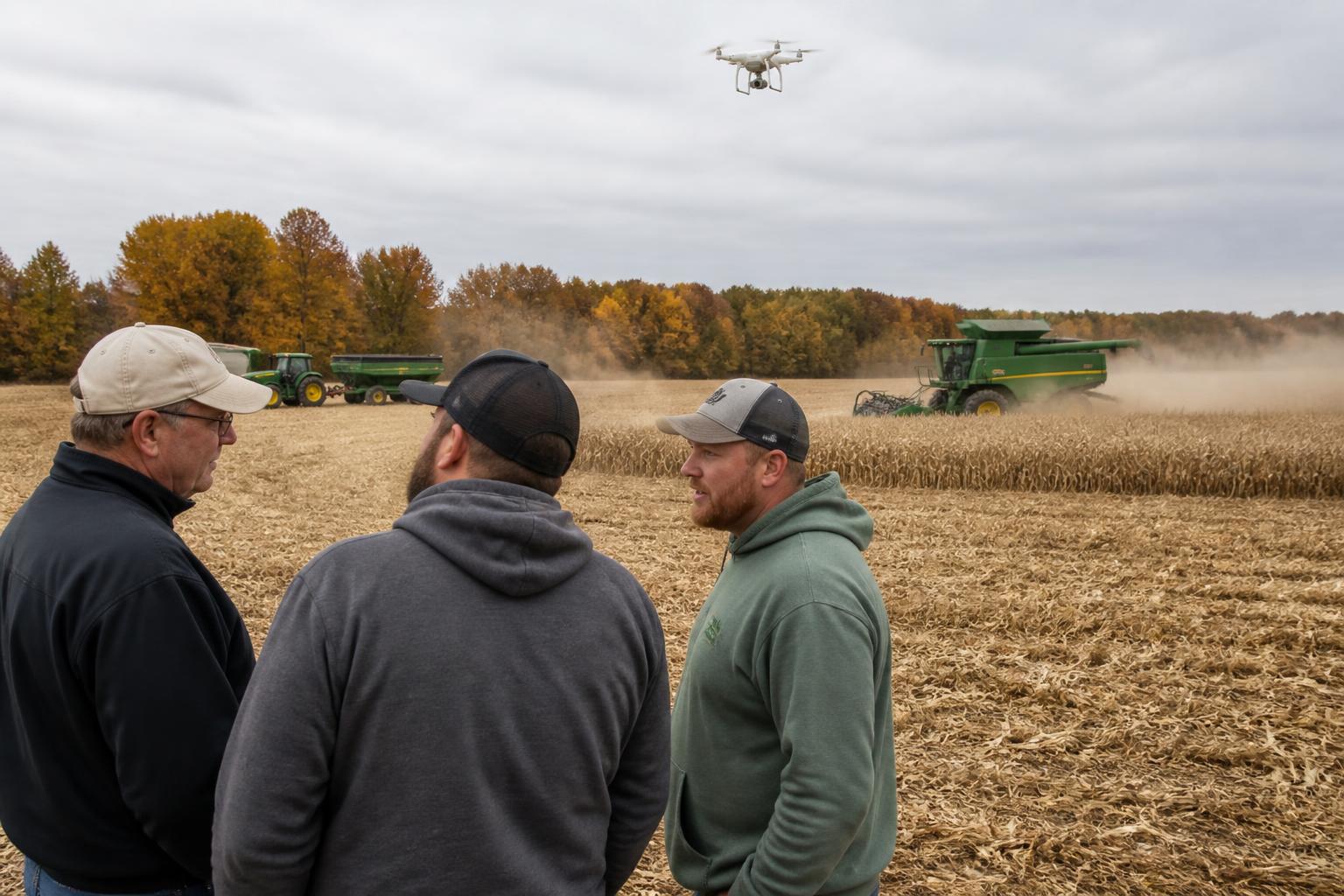
As we move deeper into the fall harvest season across New York, producers are finding that global market tremors are increasingly hitting closer to home. From the fertile fields of the Finger Lakes to the productive acreage on Long Island, the pressure from international supply chain disruptions and shifting energy costs is changing how local operations manage their grain inventories and input purchases.
While local harvest activities pick up speed, many regional growers are observing how fluctuations in global energy prices impact the bottom line. Increased costs for fuel and essential inputs like fertilizer can ripple through local supply chains, often complicating the economics of transporting yields from farm gates to elevators. Understanding these shifts in New York agricultural logistics remains critical for farmers looking to protect their margins during this volatile season.
Managing Price Uncertainty
Grain futures continue to test resistance levels, leaving many farmers hesitant to move inventory in a market defined by uncertainty. When global geopolitical events influence trade routes and energy availability, the resulting volatility often makes standard price forecasting more difficult. For many regional agribusinesses, this means prioritizing storage capacity and carefully weighing the costs of immediate sale against potential future recovery.
Operational Resilience in a Challenging Market
Beyond commodity prices, the current environment demands a focus on operational efficiency. With labor and service availability occasionally presenting hurdles, integrating modern technologies and streamlined logistical planning can help mitigate some of the external stresses. Whether through optimizing trucking routes or utilizing data-driven insights to manage fertilizer application, proactive management is becoming a standard feature of successful New York operations.
What it means for the market: For New York growers and handlers, the current landscape underscores a need for caution and flexibility. With energy costs acting as a wild card for both transport and inputs, maintaining a buffer in your supply chain and staying informed on regional logistical bottlenecks will be essential for navigating the remainder of the harvest season successfully.
Comments
No comments yet - be the first to share your take.