
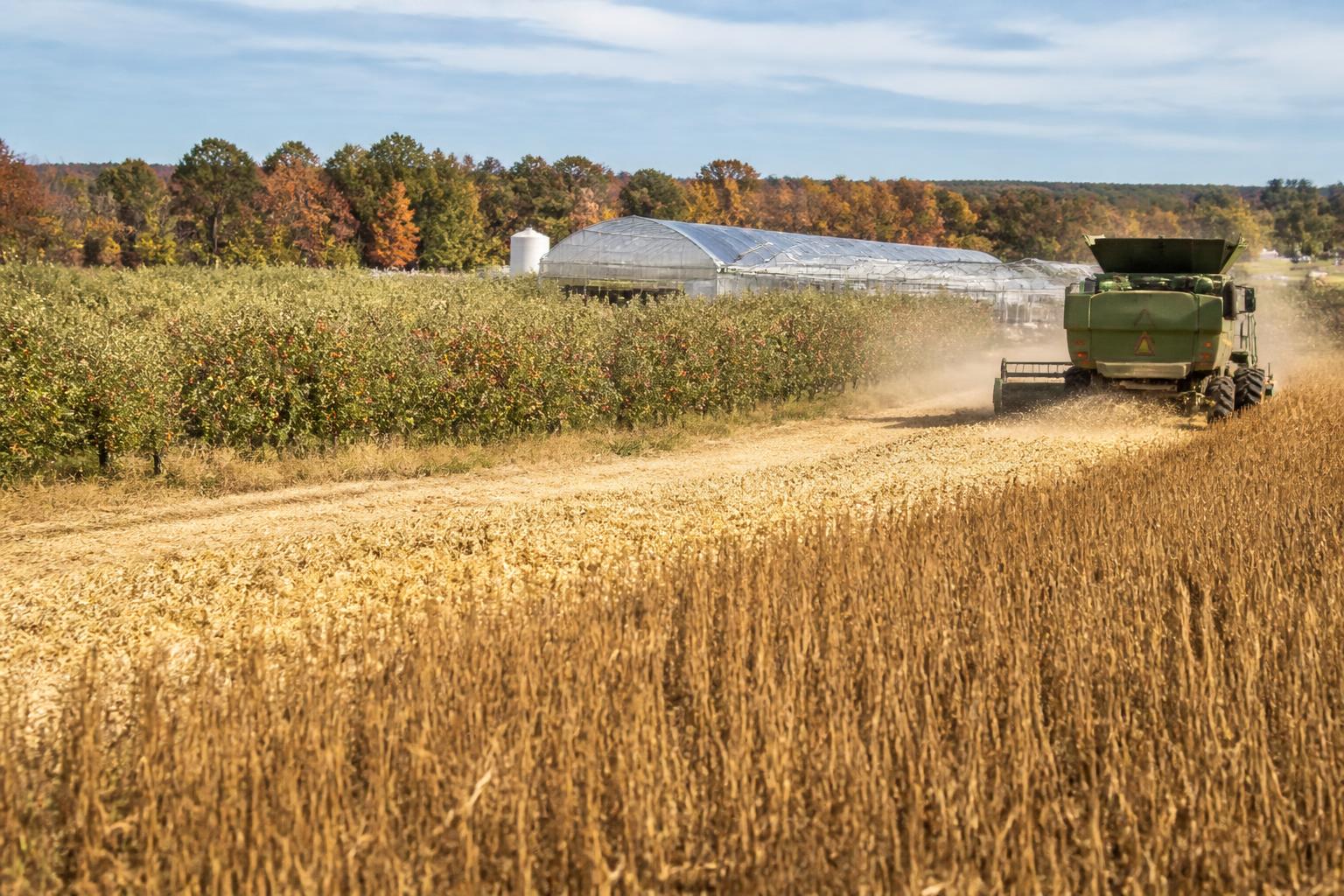
As Virginia producers prepare for the fall harvest, the agricultural landscape remains defined by significant volatility. Recent discussions between producers and regional leadership highlight growing concerns over trade frictions, particularly with Canada, which are exacerbating input costs for many farms across the state. These economic pressures are arriving at a critical juncture for the regional grain economy, which is currently undergoing structural efforts to modernize and scale its competitive footprint.
Input Costs and Operational Resilience
For many grain handlers and farmers, the current environment necessitates a tight focus on operational efficiency. Rising expenses, fueled in part by international trade conflicts, continue to squeeze margins, placing additional strain on smaller operations. Producers are increasingly looking toward market-driven risk management and strategic planning to navigate these periods of high uncertainty. Across regions from the Northern Neck to the Piedmont, maintaining soil health and securing affordable inputs remain top priorities as the season shifts toward peak activity.
Modernizing Virginia's Agricultural Footprint
Infrastructure and land use continue to evolve, with new initiatives aiming to integrate renewable energy into working agricultural lands, potentially offering landowners an alternative revenue stream on marginal acres. Concurrently, regional grain alliances are prioritizing investments to bolster the state's grain storage and logistics capacity. By improving regional supply chain logistics, advocates hope to increase the velocity of the harvest and improve local market access for Virginia-grown commodities.
What it means for the market
Producers should anticipate continued volatility in input pricing and a high emphasis on logistical coordination as the fall harvest gains momentum. With trade-related cost burdens persisting, diversifying supply sources and participating in local grain initiatives will likely be essential for maintaining profitability. Agribusinesses and logistics providers should prepare for tight transport windows and a premium on storage capacity as regional grain volumes move through the supply chain during the coming weeks.
Comments
No comments yet - be the first to share your take.