
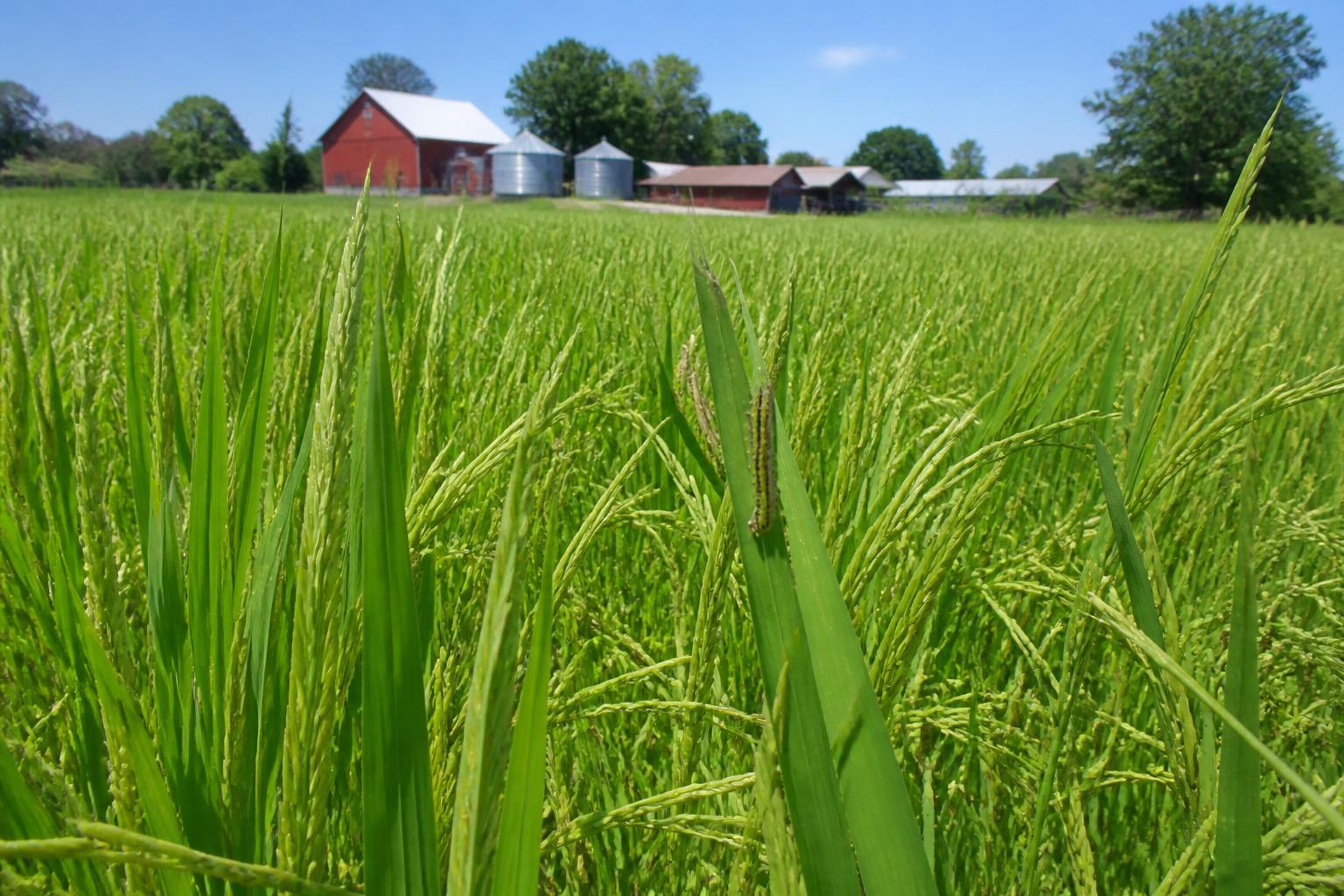
Arkansas grain growers are deep into the summer crop cycle, balancing the intense pressure of high input costs and market volatility with innovative farm-level management. Across the Delta, from Mississippi County down to the southern river counties, producers are focusing heavily on resource conservation, precise nutrient application, and advanced agronomic practices to preserve their margins.
As heat and irrigation demands rise, securing crop health while keeping overhead low remains the primary challenge. To survive a tight economic landscape, operations are combining traditional Delta grit with newly emerging agricultural technologies and state incentive programs.
Agronomic Breakthroughs in Pest Control and Crop Genetics
Pest management remains a critical summer expense, but recent scientific discoveries are offering fresh hope for biological solutions. Researchers in Arkansas have documented unique natural defense mechanisms in rice plants, specifically observing certain varieties trapping and killing fall armyworm caterpillars. This breakthrough in understanding natural plant defenses could pave the way for future breeding lines that require fewer chemical pesticide applications, directly lowering input costs for local grain growers.
On the technological front, local innovation continues to gain traction. Arkansas-based AI firm SolaRid recently secured an innovation grant to advance its automated insect control systems. By integrating artificial intelligence with targeted pest-trapping technology, such initiatives aim to minimize insecticide use, offering a highly precise alternative to broad-spectrum chemical applications.
Soybean Nutrients, Seed Viability, and Mid-Season Decisions
For soybean producers, mid-summer is a critical window for determining whether supplemental nutrient applications will pay off. Recent agronomic reviews highlight that while nitrogen and sulfur applications can boost yields in specific soil profiles, careful soil testing is required to ensure these inputs do not erode profitability. Producers are also evaluating seed quality more closely; researchers are highlighting the "accelerated aging" test as a more reliable yardstick for determining soybean seed viability, helping farmers avoid poor emergence and costly replanting decisions.
When early-season stands are compromised, calculating the exact economic threshold for replanting is vital. With current market conditions, growers must carefully weigh seed costs, fuel, and late-season yield penalties. Many Arkansas farmers adapting to rising costs and market shifts are choosing to leave slightly thin stands rather than incurring the high variable costs of replanting late in the season.
Offsetting Expenses with Groundwater Tax Credits and Efficient Logistics
Irrigation is one of the largest operational costs during the dry summer months. To help offset these expenses, the Arkansas groundwater tax credit program offers valuable financial relief for producers who invest in water-saving infrastructure, such as tailwater recovery systems and surface water storage. Utilizing these credits allows growers to protect the critical alluvial aquifer while capturing direct tax savings.
These resource-saving programs are especially vital given the financial strains highlighted by the University of Arkansas Division of Agriculture. University analysts have documented overall agricultural sector losses reaching $309 million in recent assessments, a trend that has put young Arkansas farmers in a particularly tight economic crisis. Multi-generational operations, such as the historic Bonds family farm partnership, serve as prime examples of how local growers must continuously adapt their logistics and resource management to remain viable over the long term. Implementing structured Arkansas rice and resource management strategies has become a prerequisite for enduring these economic cycles.
Key Takeaways for Delta Growers
- Leverage State Incentives: Utilize the Arkansas groundwater tax credit program to offset irrigation and water-conservation equipment upgrades.
- Monitor Natural Defenses: Keep abreast of university rice breeding developments targeting natural resistance to fall armyworms to optimize future seed selection.
- Calculate Replant Thresholds Carefully: Use current fuel and seed costs to determine if thin soybean stands are more profitable to keep than to replant.
- Focus on Nutrient Timing: Target nitrogen and sulfur applications only where soil tests show a verified deficiency to avoid unnecessary input spending.
What it means for the market
For the broader regional market, the focus on input efficiency and technological adaptation underlines a mature, resilient agricultural sector. While high production costs and tight credit markets continue to squeeze margins, the adoption of resource-efficient practices is helping stabilize Arkansas's grain supply. By utilizing advanced crop management and local tax incentives, Delta producers are positioning themselves to navigate current economic headwinds and maintain their competitiveness in the global grain market. To stay ahead of these shifts, keeping a close eye on navigating market challenges in Arkansas agriculture will be essential for growers and agribusinesses alike.
Comments
No comments yet — be the first to share your take.