
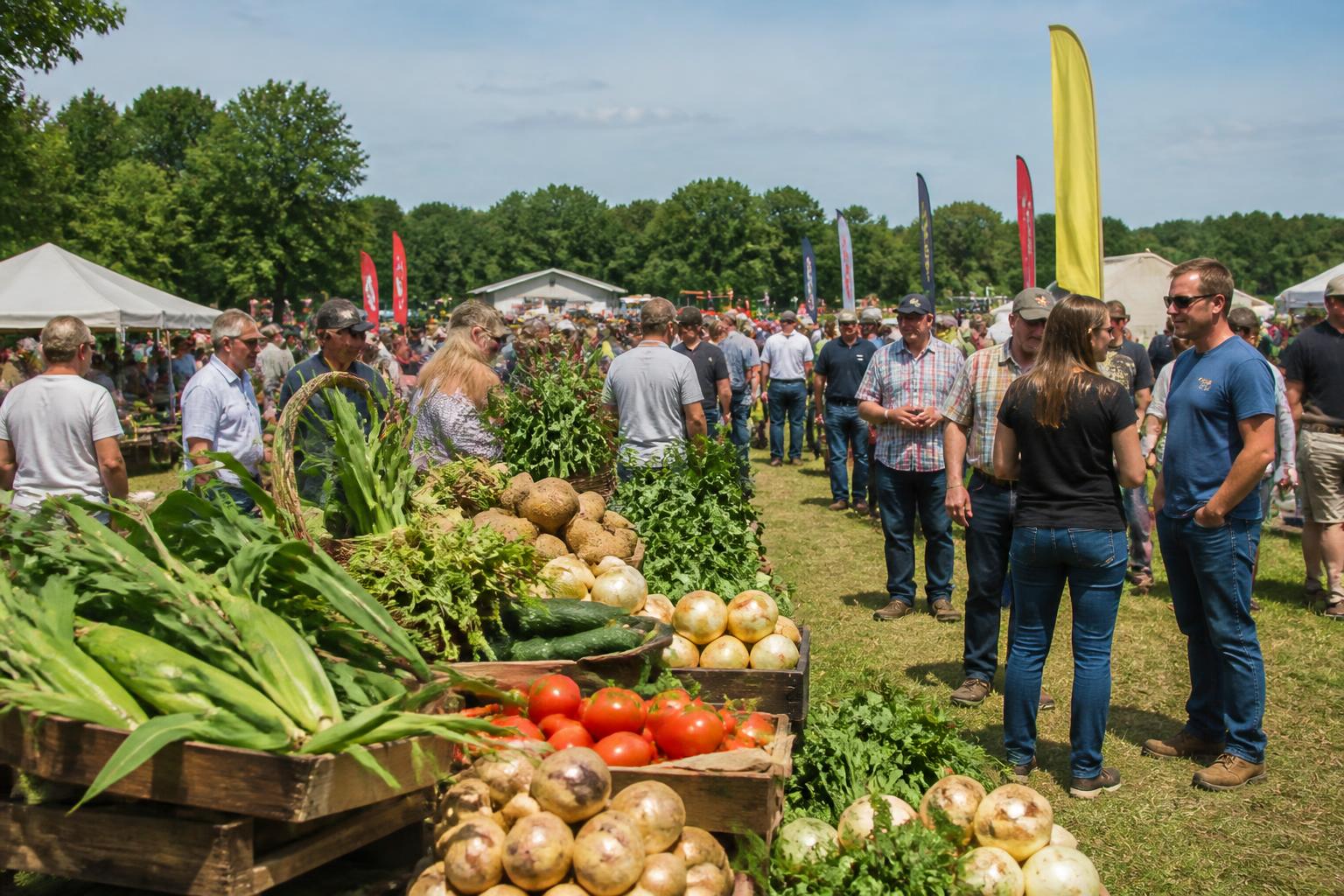
As summer settles across New York, the state's agricultural sector is finding new opportunities at the intersection of public policy and regional trade events. From the return of premier agricultural exhibitions to evolving urban food strategies, New York producers are navigating a complex market landscape. Producers from the Finger Lakes to the Hudson Valley are increasingly looking to align their operations with shifting regional demands.
Success this season depends on understanding how downstate consumption patterns and upstate production capabilities can better integrate. For growers trying to optimize their operations, keeping a close eye on regional policy shifts is just as critical as navigating New York's agricultural market in summer 2026 to secure profitable contracts.
The Return of Major Agricultural Exhibitions
Regional exhibitions like the New York Farm Show serve as vital hubs for the northeastern agricultural community. These events provide a platform for growers, equipment dealers, and seed representatives to discuss emerging trends and view the latest field technology. For New York dairy and crop farmers, these gatherings offer a timely opportunity to evaluate new machinery and negotiate input deals ahead of the next planning cycle.
With volatility in input costs remaining a persistent concern, direct access to manufacturers and industry experts helps farmers make informed capital investment decisions. These shows also foster peer-to-peer networking, allowing operators from different counties to share strategies for coping with local labor challenges and weather variability.
Connecting Upstate Farms to Downstate Climate Strategies
On the policy front, municipal initiatives like the New York City Food and Climate Strategy are beginning to reshape regional supply chains. As urban centers place a higher priority on reducing the carbon footprint of their food systems, there is an opening for regional growers who can demonstrate sustainable production practices. These climate-focused purchasing policies aim to favor regional food systems, potentially opening up stable, institutional procurement channels for New York farms.
To capitalize on these initiatives, grain, vegetable, and dairy producers may need to document their conservation efforts more rigorously. While meeting these standards can require initial administrative effort, the reward is access to massive municipal markets that prioritize regional sourcing over cheaper, long-distance imports.
Key Takeaways for New York Operators
- Leverage Regional Expos: Use state trade shows to compare equipment, negotiate directly with suppliers, and learn about precision agriculture tools that reduce input waste.
- Align with Sourcing Goals: Monitor urban food policies and climate strategies that favor regional, low-emission agricultural products.
- Optimize Local Logistics: Focus on building relationships with regional distributors who specialize in moving goods from upstate farms to downstate processing and retail hubs.
What it means for the market
The convergence of active trade exhibitions and climate-centric food policies creates a supportive environment for New York agriculture this summer. While economic pressures and localized weather patterns always present challenges, the long-term trend favors a more integrated regional food economy. Producers who proactively adapt to municipal sustainability demands and utilize trade events to optimize their operations will be best positioned to capture premium domestic markets.
Comments
No comments yet — be the first to share your take.