
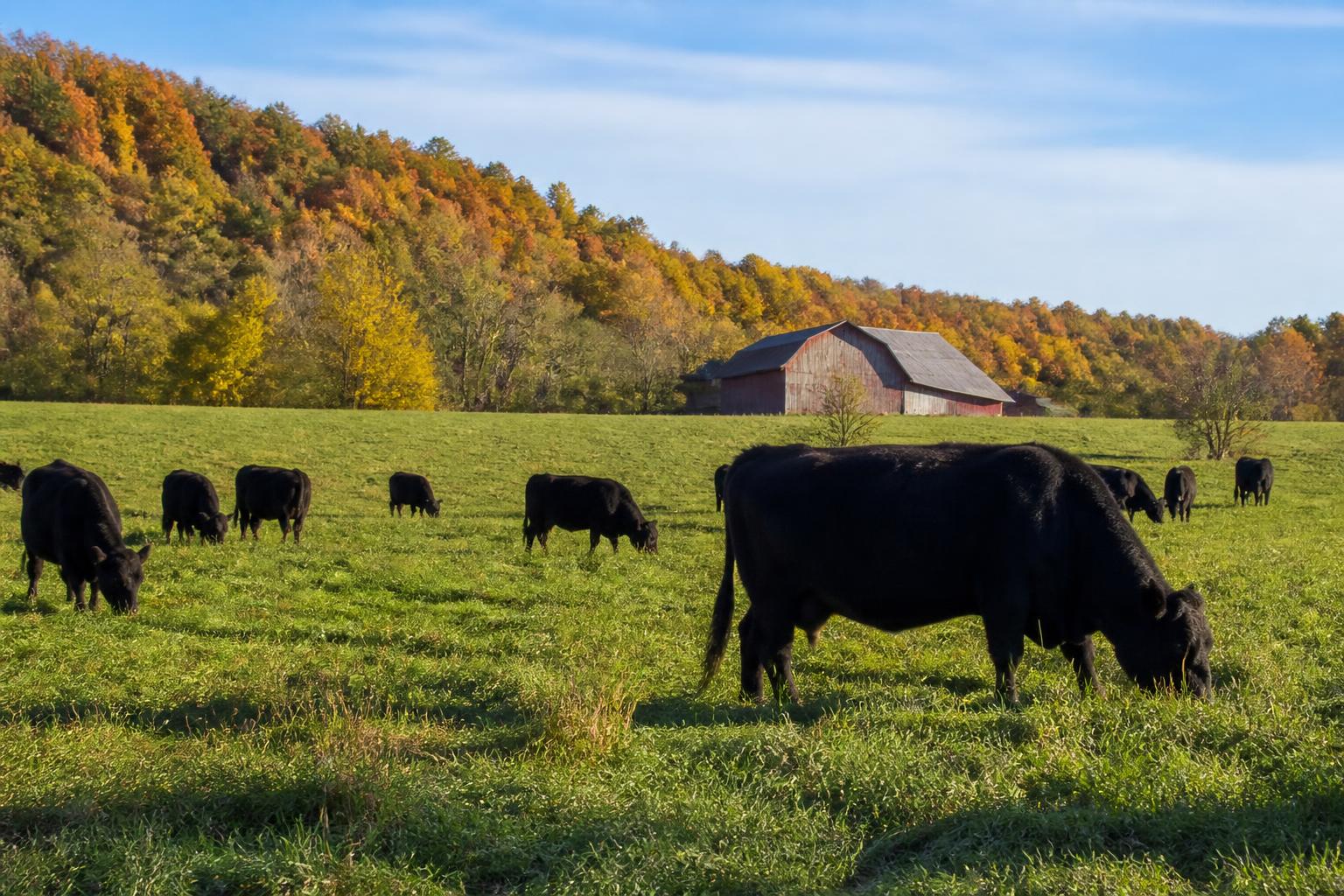
As we settle into the core of the fall harvest across Maryland, field activity is picking up intensity from the Eastern Shore to the rolling terrain of the Piedmont. With the season now in full swing, logistics and operational timing remain the primary focus for growers navigating the complexities of harvest logistics and post-harvest land stewardship.
Reflecting the realities of a busy autumn, recent administrative adjustments have offered support to regional producers. The state has provided extensions for cover crop planting as well as fertilizer and manure application deadlines. These shifts can be vital for operations looking to balance strategic soil management with the constraints of an unpredictable harvest window, ensuring that nutrient applications remain compliant even when weather or equipment delays persist.
Managing Logistics and Soil Health
For those managing heavy grain movement, this time of year often necessitates careful coordination between field teams and regional grain elevators. Keeping equipment calibrated and maximizing transport efficiency remains the best approach to maintaining margins as grain flows through our rural corridors. Beyond the immediate harvest, many producers are simultaneously preparing fields for winter transitions. Careful planning in these weeks helps avoid bottlenecks, particularly when regional capacity for both storage and input handling reaches its seasonal peak.
Staying Informed in a Shifting Market
While regional focus stays on the harvest, growers should continue to monitor local extension updates regarding ongoing environmental mandates. Whether you are managing row crops or specialized livestock, the ability to pivot operations in response to regulatory, logistical, or biological shifts—such as monitoring for local pest activity—is a hallmark of resilient Maryland farming.
What it means for the market
The extension of key agricultural deadlines is a positive signal for operational flexibility, allowing farmers to prioritize harvest quality without compromising long-term soil health compliance. Market participants should expect steady, albeit time-sensitive, movement of commodities as producers work to meet these adjusted windows, underscoring the importance of proactive scheduling and local communication with handlers and input suppliers.
Comments
No comments yet - be the first to share your take.