
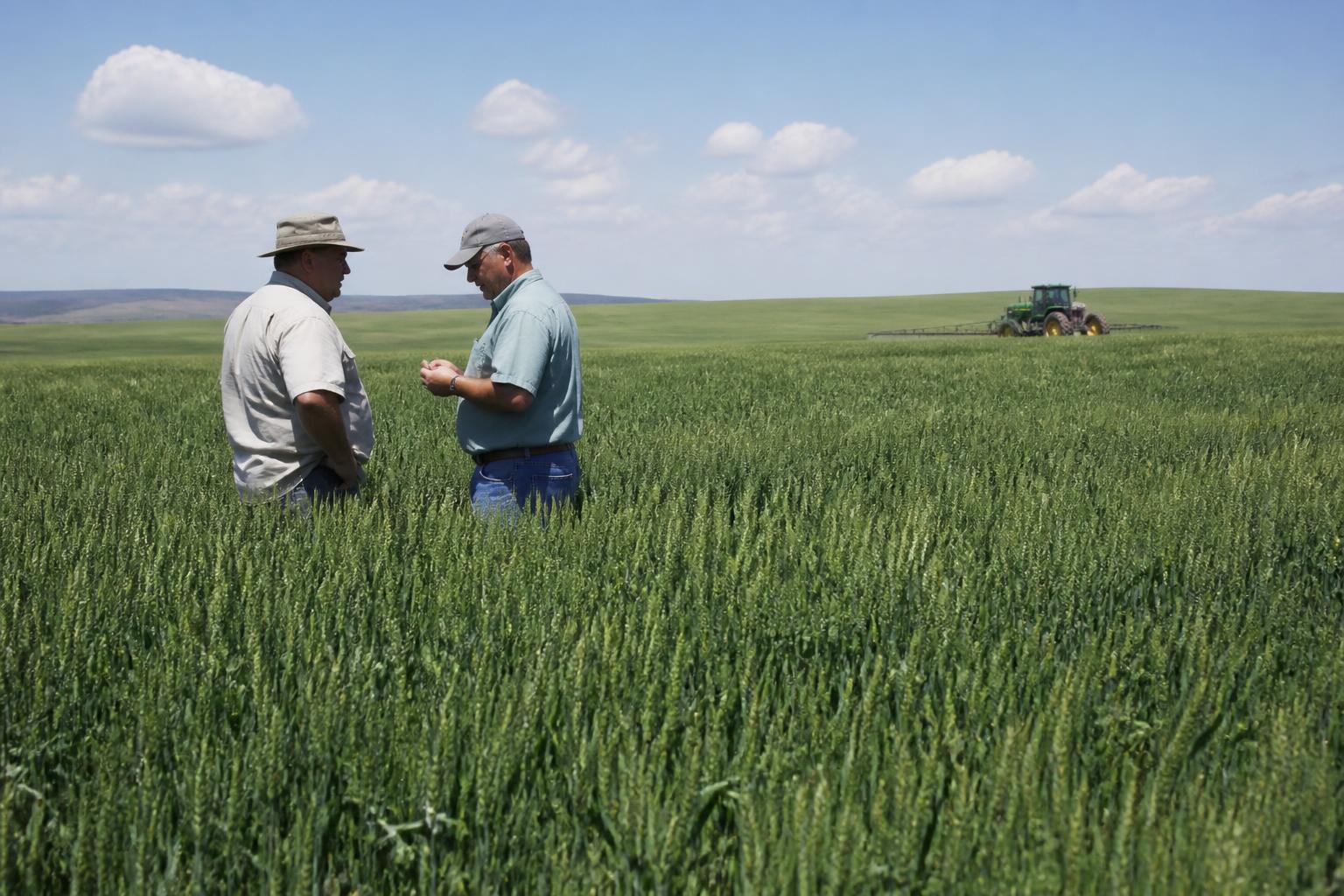
As summer settles over the Pacific Northwest, Washington wheat growers and logistics providers are adjusting to a complex mix of localized infrastructure developments and shifting international trade dynamics. With global market volatility persisting, local improvements are helping growers capture new efficiencies closer to home, even as international trade routes present both fresh opportunities and regulatory hurdles.
From the expansion of regional handling facilities to emerging agreements across the Pacific, Washington state remains a critical node in the global grain supply chain. Keeping a close eye on these shifting parts is essential for navigating the current season successfully.
Strengthening Local Supply Chains: Southwest Washington Grain Project
A major development for regional logistics is the official opening of the Southwest Washington Grain Project, celebrated by Representative Marie Gluesenkamp Perez. This initiative represents a significant step forward in bolstering regional grain handling capabilities, providing local growers with enhanced storage and transport access. In Washington, where accessing deep-water ports along the Columbia River and the Puget Sound is vital, localized rail and storage infrastructure projects can dramatically lower freight costs for producers.
These regional supply chain upgrades are arriving at a critical moment. Farmers seeking to maximize their margins can learn more about managing volatile market conditions by reviewing the Washington grain market and infrastructure developments. These local investments provide a much-needed buffer against fluctuating rail rates and domestic freight bottlenecks.
Navigating the Global Wheat Trade: Deals and Deterrents
On the international stage, trade channels are shifting. Bangladesh has entered a strategic U.S. wheat deal aimed at diversifying its supply and easing trade tensions. Additionally, a trade agreement between the United States and Japan has established improved terms for tariffs and market access, offering a steady destination for premium Pacific Northwest wheat varieties.
However, trade with other major partners remains fraught. U.S. agricultural exporters are seeing orders from China dry up as broader trade negotiations stagnate. Compounding these export worries, domestic shippers have warned that revived Chinese shipping fees could severely impact agricultural export volumes. While the federal Ocean Shipping Reform Act has brought some structural relief to port operations, exporters remain highly sensitive to maritime cost increases. Growers and shippers can explore these complex distribution dynamics further in our analysis of Washington supply chain pressures.
Invasive Pests and Regulatory Shifts
Washington producers are also facing severe biological and regulatory pressures this summer. State agricultural authorities are tracking the spread of the Japanese beetle, an invasive pest that threatens a wide range of local crops. At the same time, the presence of the Asian giant hornet continues to require vigilance from regional landowners and beekeepers during the warm summer months.
On the regulatory front, the Environmental Protection Agency (EPA) has approved the over-the-top use of dicamba for a two-year period, offering growers some clarity for weed management strategies. This decision comes as organizations like the Weed Science Society of America (WSSA) continue to advocate for balanced pesticide regulations and robust research funding in Washington D.C., emphasizing the need for reliable weed control tools amid changing climate and environmental mandates.
Key Takeaways for Washington Producers
- Local Infrastructure Wins: The Southwest Washington Grain Project provides new logistical options to bypass high-cost transport bottlenecks.
- Pacific Trade Pivots: Improved access to Japan and new commitments from Bangladesh offer vital demand sinks, helping offset a drop in orders from China.
- Pest Vigilance: Active monitoring for the Japanese beetle and Asian giant hornet is crucial to protecting local yields and biodiversity this summer.
- Weed Management Certainty: The EPA’s two-year dicamba approval offers short-term clarity for regional crop protection strategies.
What it means for the market
The combination of localized handling expansions and new bilateral trade agreements provides Washington grain growers with valuable tools to manage international headwinds. While the stagnation of trade orders from China and rising shipping fees present ongoing risks, the opening of regional hubs like the Southwest Washington Grain Project ensures that local grain handlers can move product more efficiently. Washington agribusinesses should leverage these newly opened logistics corridors and closely monitor evolving export agreements to secure optimal margins in a highly competitive summer market.
Comments
No comments yet — be the first to share your take.