
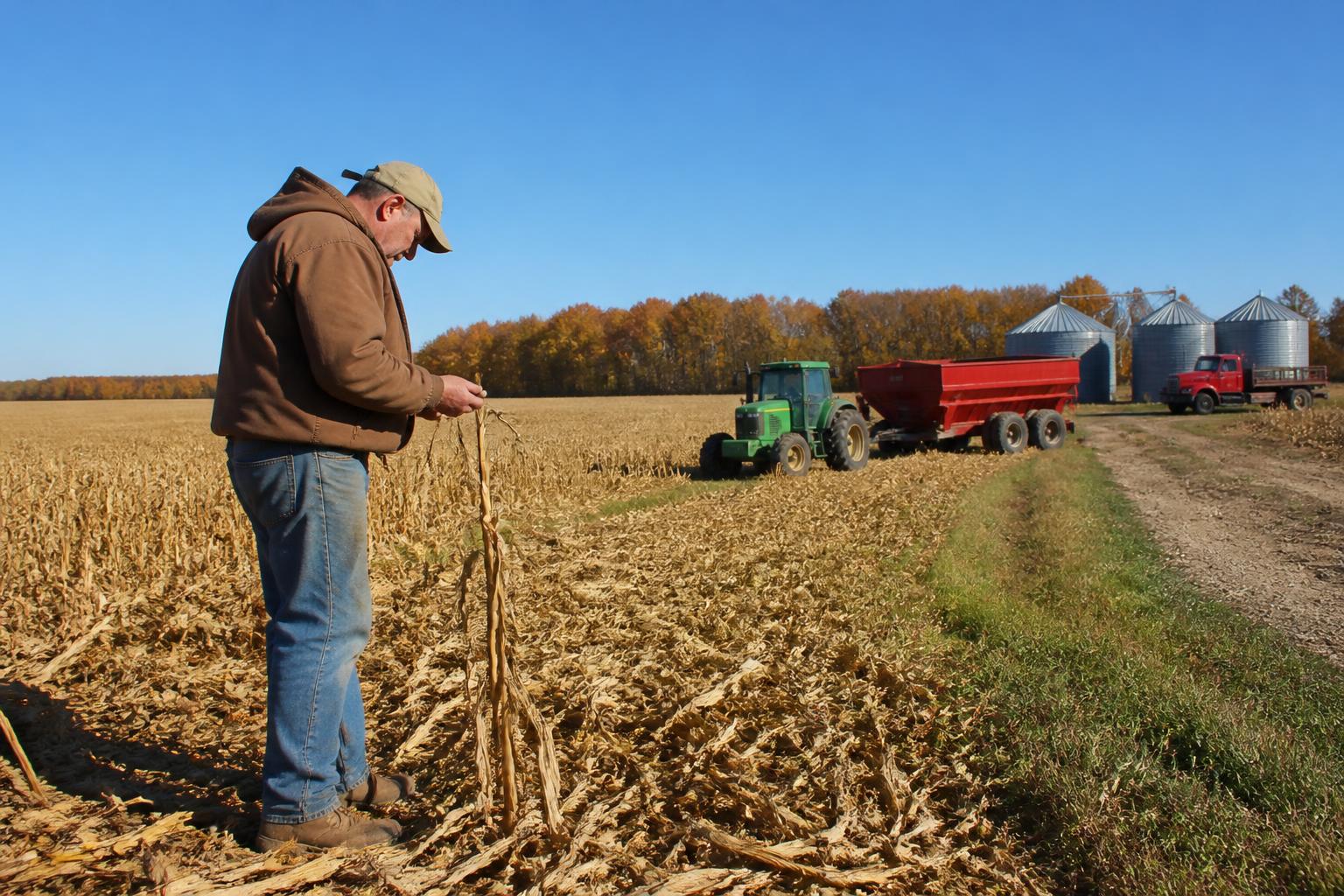
With the fall harvest in full swing across Idaho, producers are navigating a complex intersection of field operations and financial management. As grain moves from the field to regional elevators and storage facilities, the focus shifts toward managing liquidity and evaluating the costs of capital that have tightened across the broader agricultural sector. Producers are increasingly weighing the impact of current interest rate environments on their ability to manage seasonal cash flow and plan for future equipment upgrades.
Navigating the Financial Landscape
In regions ranging from the Snake River Valley to the rolling hills of the Palouse, successful farm management now depends as much on financial literacy as on agronomic skill. The tightening of credit markets has meant that input buyers and machinery operators are more deliberate in their purchasing decisions. Many are re-evaluating their financing structures to ensure they can sustain operations during periods where borrowing costs are elevated. When capital becomes harder to source, the emphasis naturally shifts to maximizing the efficiency of current assets and prioritizing high-return investments.
Adapting to Economic Realities
For those looking to optimize their logistics during this peak season, understanding the complexities of Idaho harvest logistics is essential to maintaining profitability. Beyond immediate field concerns, the current market climate encourages a more conservative approach to debt. Whether it is dryland farming or irrigated acreage, the goal remains to bridge the gap between harvest returns and the looming costs of next year's inputs.
What it means for the market
As we move deeper into October, market participants should anticipate a continued focus on debt management. Producers who proactively assess their loan terms and explore flexible leasing or financing partnerships may find themselves in a more stable position than those carrying higher variable-rate exposure. Keeping a close eye on interest rate trends and their correlation with input procurement will be a decisive factor for Idaho agribusinesses throughout the coming winter months.
Comments
No comments yet - be the first to share your take.