
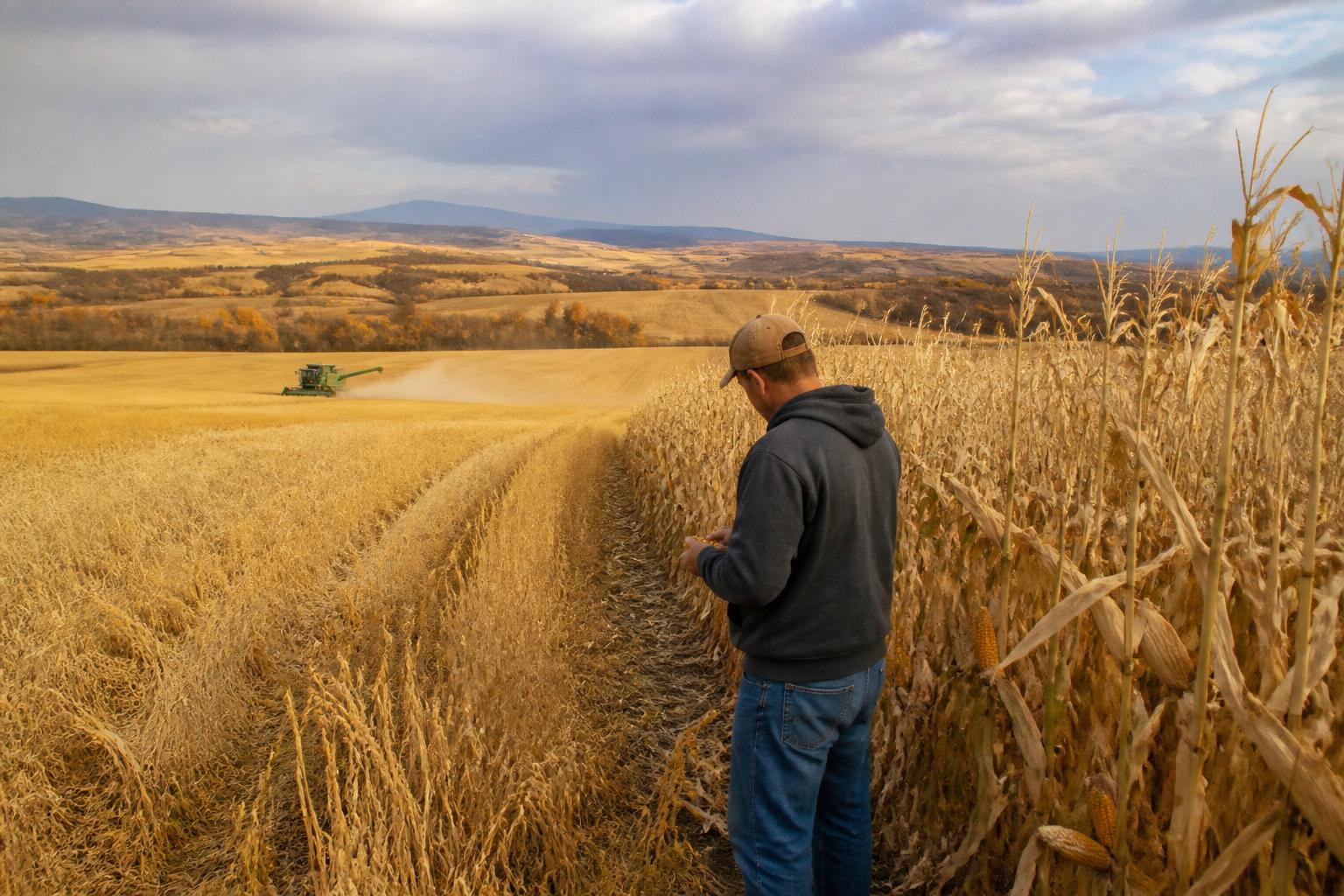
As the fall harvest progresses across Idaho, the state continues to demonstrate its critical role in the national food supply chain. From the high-yield wheat fields that recently dominated national competitions to the consistent performance of the processing sector, regional growers and handlers are navigating a productive, albeit demanding, autumn schedule.
Strong performance in regional crop outcomes often hinges on localized efficiencies. For growers looking to refine their operations, optimizing Idaho harvest logistics remains a top priority to manage the influx of produce heading toward state processing hubs. These logistical efforts are bolstered by broader institutional investments, including recent capital allocations into seed technology facilities aimed at sustaining the state's agricultural output.
Record Production and Yield Performance
Recent reports highlight significant milestones for Idaho agriculture, including record-breaking French fry production figures. These metrics, alongside higher corn forecasts, suggest a robust demand environment for processors. Furthermore, the state's reputation for high-quality production was cemented by a recent top-tier finish in national wheat yield contests, where specific entries achieved impressive yields, underscoring the effectiveness of local soil management and input strategies.
Investing in Local Capabilities
Capital investment remains a driving force for the state's competitive edge. Significant funding has recently been directed toward specialized seed production infrastructure within the state. For local agribusinesses and elevators, these developments are expected to influence long-term capacity and quality standards. As firms expand their footprint, the focus on technical integration and localized support continues to evolve, helping producers keep pace with growing demand.
What it means for the market
For Idaho's farmers and logistics operators, the current market trend points toward a high-volume season that requires precise planning. With record-setting yields and increased processing demand, the ability to effectively manage custom service needs and transport scheduling is paramount. Staying informed on regional custom rates and facility upgrades will be essential for maintaining margins during this period of high agricultural throughput.
Comments
No comments yet - be the first to share your take.