
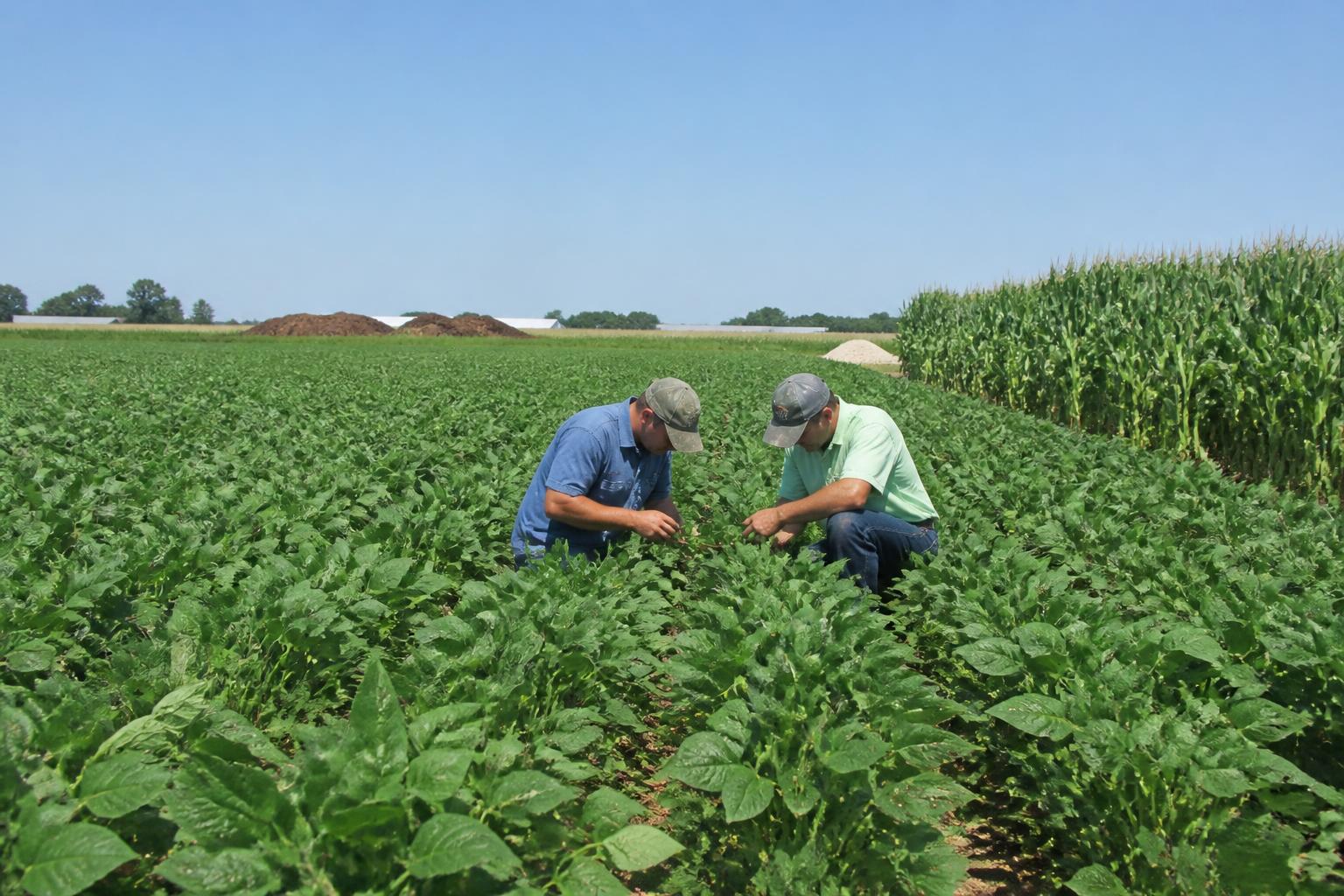
With the summer season in full swing across North Carolina, agricultural producers are closely monitoring weather patterns and soil conditions. June is traditionally a decisive month for the state's corn yields, where timely rainfall can make or break crop potential. At the same time, regional growers are balancing management decisions for specialty crops, adjusting to shifting pest dynamics, and implementing soil-conservation practices to handle weather variability.
From the sandy soils of Pembroke in Robeson County to the wider coastal plains, farmers like the Locklear brothers are focusing on risk management and crop protection to navigate the summer heat. As crops progress rapidly, efficient agronomic decisions and robust logistics remain essential to securing crop value and keeping supply chains moving.
The June Moisture Factor for Corn and Strawberries
For North Carolina corn producers, June moisture is a absolute necessity. The crop enters critical reproductive stages during this window, meaning prolonged dry spells can lead to irreversible yield drag. While early-season corn emergence across key regions progressed at a healthy pace, the final yield outcome remains highly dependent on consistent local rainfall throughout the month.
In contrast to the high stakes of dry-land corn, some of the state's specialty growers are experiencing unexpected opportunities. North Carolina strawberry producers are expecting a second wave of their crop this season. This extended production window provides local direct-market growers and regional distributors with additional volume, though it also requires careful labor and cold-chain coordination. As these fresh crops move from field to market, keeping pace with logistics is crucial, and many operations are keeping a close eye on North Carolina ag transport capacity and shipping corridors to ensure timely deliveries.
Pest Pressure and Soil Efficiency Strategies
Summer heat also accelerates pest development, forcing growers to step up field scouting. Peanut producers across eastern North Carolina are actively assessing peanut pests and disease risks. Managing these threats requires a systematic approach, prompting many operations to review their seasonal defense strategies and implement targeted managing summer crop protection and disease threats in North Carolina to preserve yield quality.
To combat dry spells and high input prices, more growers are turning to long-term soil health management. North Carolina farmers have been sharing valuable lessons regarding cover crop performance during periods of drought and high fertilizer costs. Incorporating cover crops helps improve water infiltration and organic matter, which buffers crops against extreme heat. Additionally, soil amendments such as potassium humate are gaining traction as growers look for ways to maximize nutrient use efficiency and sustain crop development when soil moisture is limited.
Research and Alternative Crop Frontiers
Innovation continues to play a significant role in the state's agricultural resilience. Entities like the North Carolina Plant Sciences Initiative (N.C. PSI) and graduate research fellowships at North Carolina State University are continually exploring new ways to optimize crop and soil efficiency. This academic backing is essential as growers experiment with alternative crops to diversify their portfolios.
For instance, stevia production remains an active area of interest in North Carolina, though researchers and farmers still face numerous questions regarding its long-term agronomic and commercial viability in the Southeast. Diversification into such niche crops could eventually offer safety nets against traditional commodity market volatility, provided production systems are refined.
Key Takeaways for NC Growers
- Corn Yields: June moisture remains the single most critical factor determining local corn yields.
- Strawberry Production: Anticipation of a second harvest wave demands agile marketing and transport planning.
- Soil Resilience: Implementing cover crops and nutrient-boosting amendments helps offset fertilizer costs and summer drought impacts.
- Pest Vigilance: Active scouting for peanut and row-crop pests is essential to prevent early-season losses.
What it means for the market
For North Carolina's agricultural marketplace, the coming weeks will establish the baseline for summer crop supplies. If localized showers provide the necessary moisture for developing corn, regional feed mills and buyers can expect stable local supplies. However, any widespread dryness will likely increase reliance on grain transported from other regions. In the specialty crop sector, the extended strawberry harvest and potential diversification into crops like stevia highlight the dynamic nature of North Carolina agriculture, emphasizing the need for flexible logistics and proactive crop protection to maintain profitability.
Comments
No comments yet — be the first to share your take.