
As the heat of late June settles across Tennessee, agricultural producers find themselves balancing severe global market pressures against promising local marketing opportunities. From the fertile fields of West Tennessee to the rolling pastures of East Tennessee, high input expenses remain a primary concern for row-crop and livestock operations alike. Rising global logistics bottlenecks and geopolitical tensions have directly impacted local operations, forcing farmers to re-evaluate their summer budgets.
To withstand these financial headwinds, Tennessee growers are increasingly turning to value-added branding, localized supply chains, and robust pest and forage management strategies. Adapting to these shifting cost structures is key to maintaining farm-gate profitability through the second half of the year.
Input Cost Pressures and Supply Chain Vulnerabilities
Geopolitical volatility has hit Tennessee farm budgets directly this season. Global conflicts and supply chain disruptions have driven essential input costs to unprecedented levels, with some third-generation Tennessee growers reporting over $100,000 in unplanned, additional fertilizer expenses. These steep pricing pressures are forcing producers to optimize every pound of nutrient application.
Logistical efficiency is critical for offsetting these high operational costs. Grain handlers and input distributors along major transport corridors-such as Interstate 40 and Interstate 65-are adjusting their schedules to manage freight expenses. Managing these regional transport lanes efficiently is vital, particularly as transportation and shipping adjustments become necessary to accommodate shifting summer crop movements and fertilizer deliveries across the state.
Leveraging Local Branding and Specialty Crop Markets
In response to volatile commodity markets, many Tennessee operations are focusing on local consumer markets and product differentiation. The state's newly refreshed Pick Tennessee Products branding campaign is playing a vital role in helping local growers connect directly with consumers. This state-backed initiative helps elevate the profile of local fruits, vegetables, livestock products, and specialty greenhouse crops like seasonal mums.
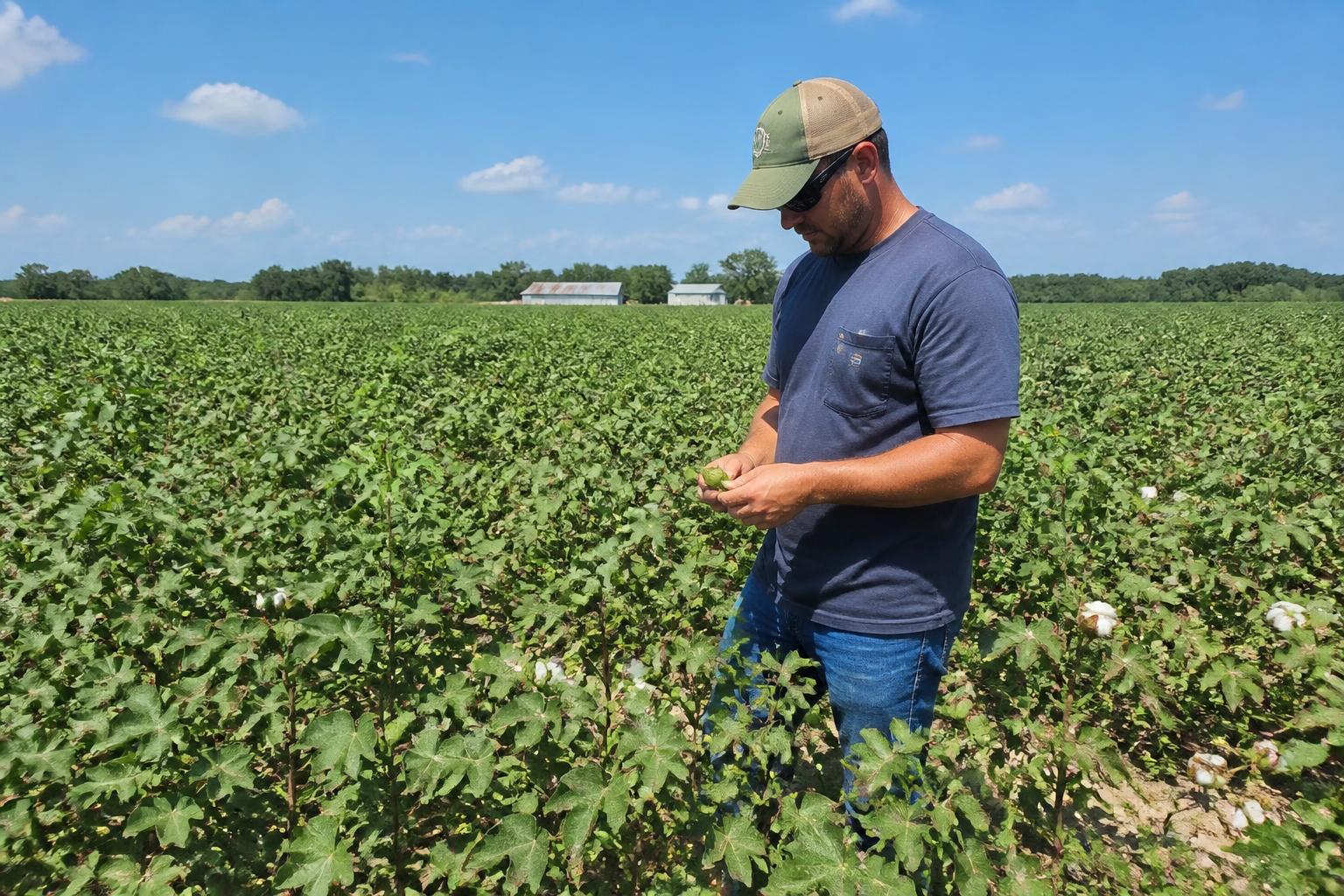
For crop producers, maintaining plant health during these high-stakes months is a priority. Farmers managing cotton, specialty crops, and high-value horticulture must navigate intense heat and pest pressure. Selecting the right field applications and managing specialty crops in the heat is essential to protecting crop quality and securing premium pricing at local markets.
Protecting Forage Quality and Long-Term Resiliency
For Tennessee's livestock and pasture managers, summer represents a critical window for forage management. The state's pasture-based livestock sectors continue to rely on foundational agronomic research-much of it pioneered by late agronomic legends like Knoxville-based researcher Henry Fribourg, whose decades of work on tall fescue and forage systems transformed regional pasture management. Modern beef and dairy producers rely on these forage stewardship principles to keep pastures productive through summer dry spells.
Additionally, keeping pests at bay remains a top priority for agribusinesses and rural homeowners alike. Local institutions, such as East Tennessee Pest Control, which has served communities like Rogersville for over five decades, underscore the ongoing importance of regional pest management services in protecting agricultural infrastructure and grain storage facilities from summer infestations.
Key Takeaways for Tennessee Producers
- Track Nutrient Efficiency: Soil testing and precise variable-rate fertilizer applications can help mitigate the impact of high input costs.
- Utilize State Branding: Tap into the refreshed Pick Tennessee Products promotional tools to capture premium direct-to-consumer margins.
- Prioritize Forage Management: Monitor fescue pastures for summer slump and maintain rotational grazing practices.
What it means for the market
Tennessee's agricultural economy is showing resilience by pairing defensive cost management with proactive local marketing. While global supply chain disruptions continue to inflate the cost of fertilizer and machinery, the strength of local marketing programs and regional forage research provides growers with practical tools to protect their margins. For agribusinesses and carriers, navigating this summer market will require close coordination to ensure inputs are delivered efficiently and local crops reach their premium destinations on time.
Comments
No comments yet — be the first to share your take.