
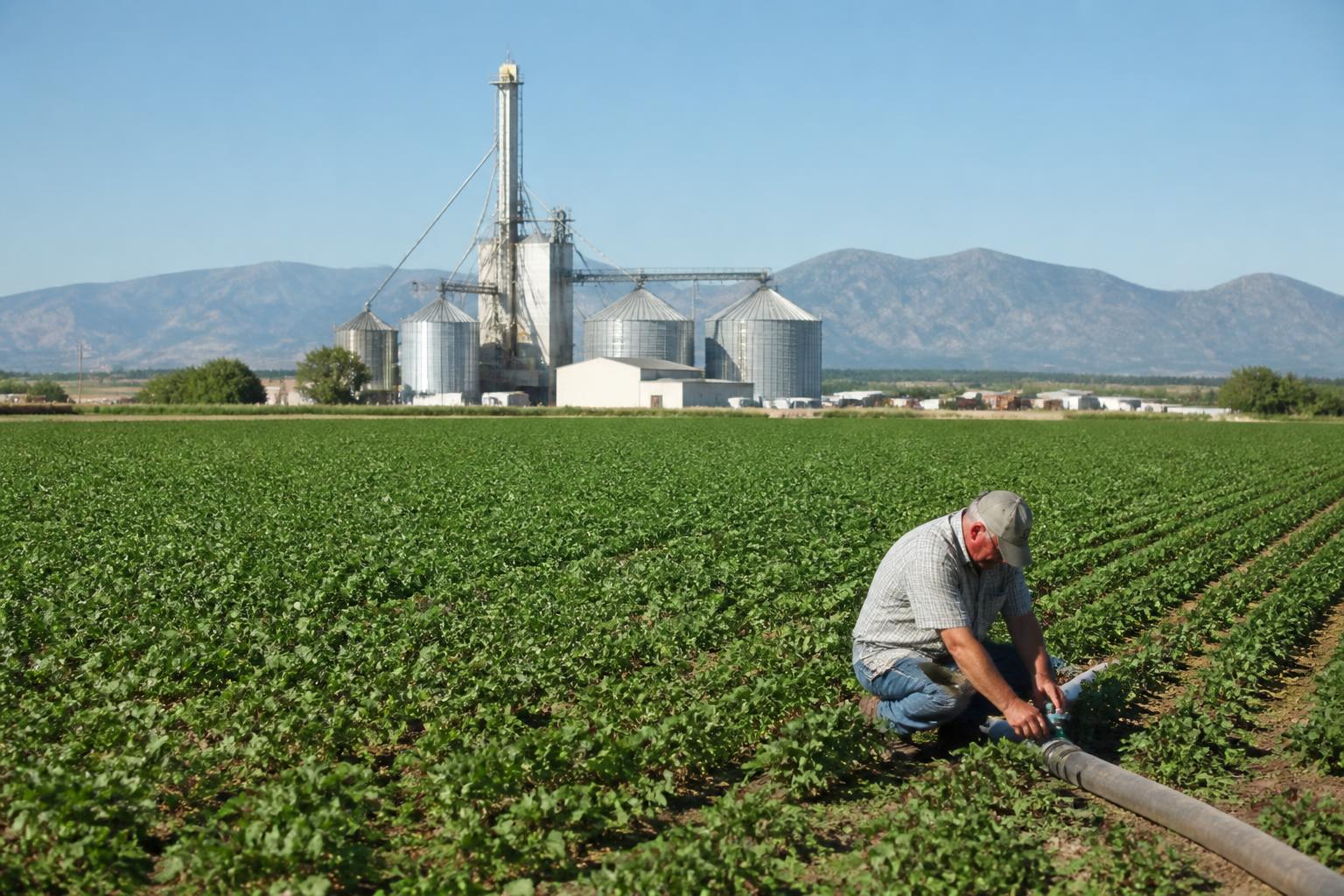
Summer heat is setting in across the Eastern Plains and major agricultural corridors of Colorado. As grain producers prepare for the winter wheat harvest and manage crucial irrigation decisions along key river basins, they face a demanding economic landscape. Local agribusinesses are grappling with high interest rates, volatile input markets, and shifting weather patterns that force tough decisions at the farm gate.
For Colorado grain handlers, livestock feeders, and crop growers, navigating the mid-year transition requires a careful balancing act. From evaluating grain storage economics to optimizing water usage, local operators are looking for ways to protect their margins in a high-cost environment.
Elevator Tradeoffs and Marketing Strategies
Elevator managers and grain merchandisers across Colorado are facing increasingly complex pricing tradeoffs as they balance storage costs, carry, and interest rates. Producers looking to optimize their marketing mix can benefit from understanding historical supply constraints; analyzing local Colorado grain market trends can help identify regional opportunities when deciding whether to store or sell immediately at harvest.
With interest rates remaining elevated, the cost of carrying grain has climbed significantly. Merchandisers must carefully calculate the basis and futures spreads to ensure storage remains profitable. For growers, this means commercial storage rates may be less forgiving this season, making on-farm storage management and timely forward-contracting highly valuable tools to mitigate post-harvest price dips.
Water Conservation and Crop Selection
Water availability continues to dictate management choices for Colorado growers. In some parts of the state, innovative farmers are testing alternative crops and low-water irrigation strategies to adapt to depleting aquifers. By shifting away from water-intensive crops or utilizing specialized soil testing, producers are attempting to maintain yield viability while minimizing their environmental footprint.
For those in the dairy and cattle feeding sectors, pricing decisions for corn silage are also coming to the forefront. Farmers typically base silage pricing on prevailing corn grain prices, adjusting for harvest costs and moisture content. With water resources tightly managed, maximizing the feed value per acre is a primary goal for both growers and livestock operations along the Front Range.
Tariffs, Inputs, and Macro Economic Pressures
Beyond local logistics and agronomy, broader macroeconomic trends are weighing on the minds of Colorado agribusinesses. Recent state surveys indicate that Colorado businesses and agricultural stakeholders overwhelmingly view tariffs as a negative pressure on the industry, fearing retaliatory measures that could restrict export markets for U.S. grains.
Additionally, global geopolitical tensions continue to introduce volatility into the fertilizer and fuel supply chains. While some crop input suppliers have expanded their portfolios to include specialized aerial application products and targeted fertilizers, the baseline cost of production remains historically high. This emphasizes the need for precise soil testing and careful nutrient application to avoid waste.
Key Takeaways for Colorado Producers
- Assess Storage Costs: High carry costs mean holding grain in commercial storage requires a clear, margin-justified marketing plan.
- Focus on Moisture and Feed Value: Ensure silage pricing calculations accurately reflect local corn value and moisture variables.
- Monitor Trade Policy: Keep an eye on trade and tariff developments that could quickly shift export demand for wheat and corn.
- Optimize Inputs: Utilize soil testing and variable-rate applications to control fertilizer expenses amidst ongoing supply chain uncertainty.
What it means for the market
The Colorado grain market this summer is defined by disciplined risk management. To stay profitable, growers must look past traditional post-harvest storage strategies and actively evaluate how interest rates impact their marketing timeline. Simultaneously, adapting to water limitations through alternative crop management will remain a defining factor for long-term farm viability on the Western Slope and the High Plains alike.
Comments
No comments yet - be the first to share your take.