
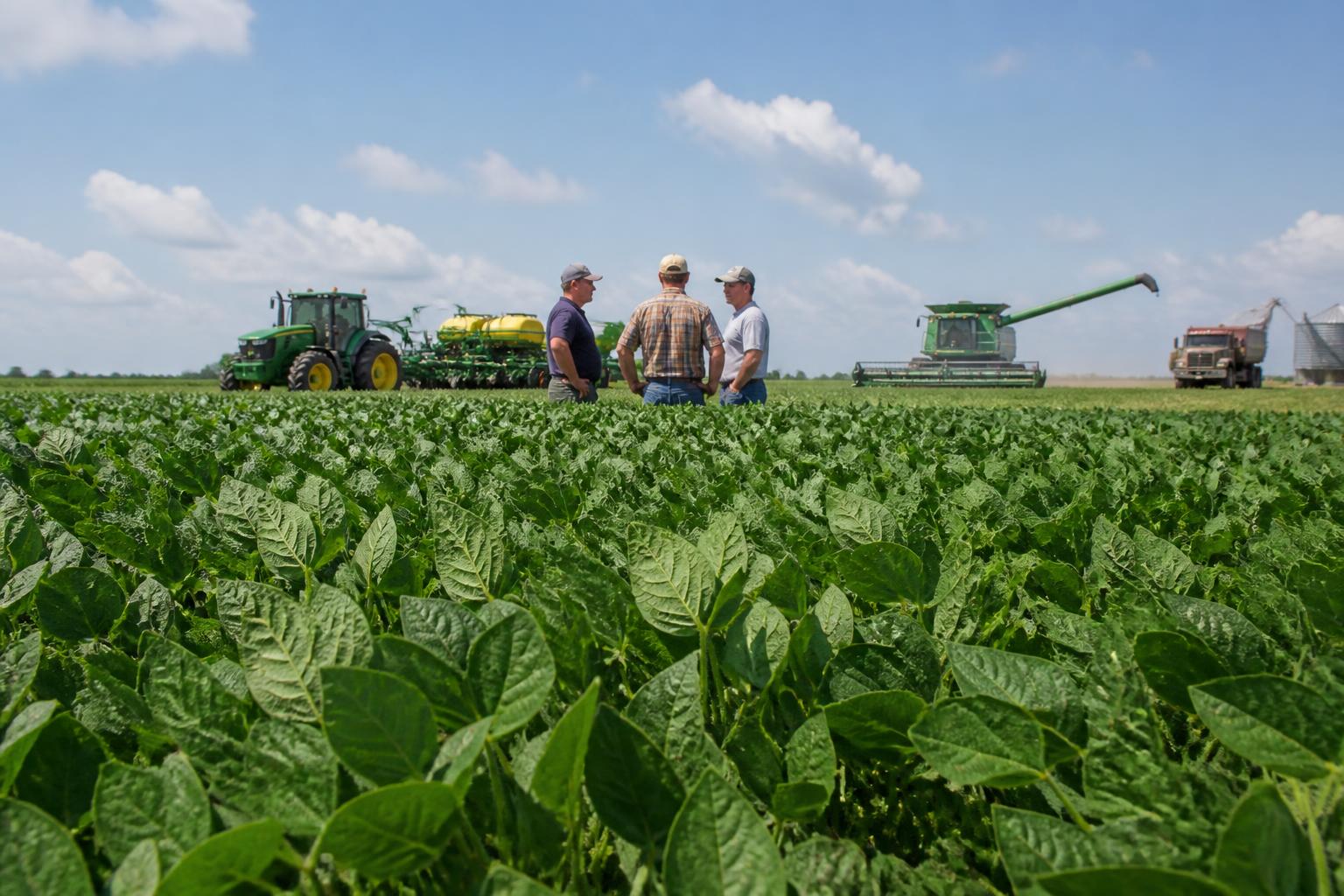
Tennessee producers are facing a complex operating environment this summer. Crop conditions, international trade dynamics, and rising operating expenses are forcing agribusinesses across the state to adapt quickly. State agriculture officials have highlighted that local farmers are currently feeling a significant squeeze from erratic weather patterns, high production costs, and shifting global markets.
From the fertile fields of West Tennessee to the rolling pastures of the eastern counties, maintaining profitability requires strict risk management. While producers work to secure yields, they are also adjusting to major state-level regulatory changes and tracking legal developments that affect crop protection strategies.
The Multi-Front Cost and Weather Squeeze
According to the Tennessee Commissioner of Agriculture, the combination of unpredictable weather and elevated input prices has tight margins top of mind for producers. High fuel, fertilizer, and equipment costs continue to challenge bottom lines, even as commodity prices face downward pressure from global supply dynamics. On the global stage, U.S. soybean competitiveness is being tested by record-setting export volumes from Brazil and sluggish buying activity from major importers like China.
To cope with these challenges, local operations are increasingly focusing on cost control and efficiency. Amid these rising pressures, Tennessee growers are actively navigating a volatile Tennessee summer ag market by keeping a tight rein on operating budgets and maximizing the efficiency of every acre.
Major Regulatory Pivot for Tennessee Hemp
Beyond weather and macroeconomics, Tennessee hemp growers and processors are preparing for a major administrative transition. In 2026, Tennessee is shifting the licensing and oversight of the state's hemp industry from the Department of Agriculture over to the alcoholic beverage commission.
This regulatory reorganization marks a significant shift in how hemp-derived products and cultivation will be monitored and governed. Agribusinesses involved in the specialty crop sector will need to update their compliance frameworks to align with the new oversight body's rules, potentially altering retail and distribution logistics across the state.
Legal Wins and Industry Innovation
On a more positive note for row crop producers, the Tennessee Soybean Association recently commended a Supreme Court ruling regarding crop protection products like Roundup. The ruling provides a level of regulatory predictability for farmers relying on glyphosate-based weed control systems, reducing immediate fears of sudden regional bans or severe application restrictions.
Furthermore, regional agricultural technology and input companies continue to expand their technical capabilities. For instance, BPS Agriculture recently appointed David Coorts as Vice President of Technical Development, signaling ongoing investment in next-generation crop inputs and biological products designed to help farmers optimize yields under challenging environmental conditions.
What it means for the market
For Tennessee's agricultural economy, the remainder of 2026 will be defined by administrative adaptation and disciplined financial planning. As hemp growers transition to a new regulatory commission and row-crop farmers contend with tough global export competition, optimizing input efficiency will be the primary path to preserving margins. Buyers and sellers should expect steady local cash-basis markets as growers carefully time their marketing decisions to offset high production costs.
Comments
No comments yet - be the first to share your take.