
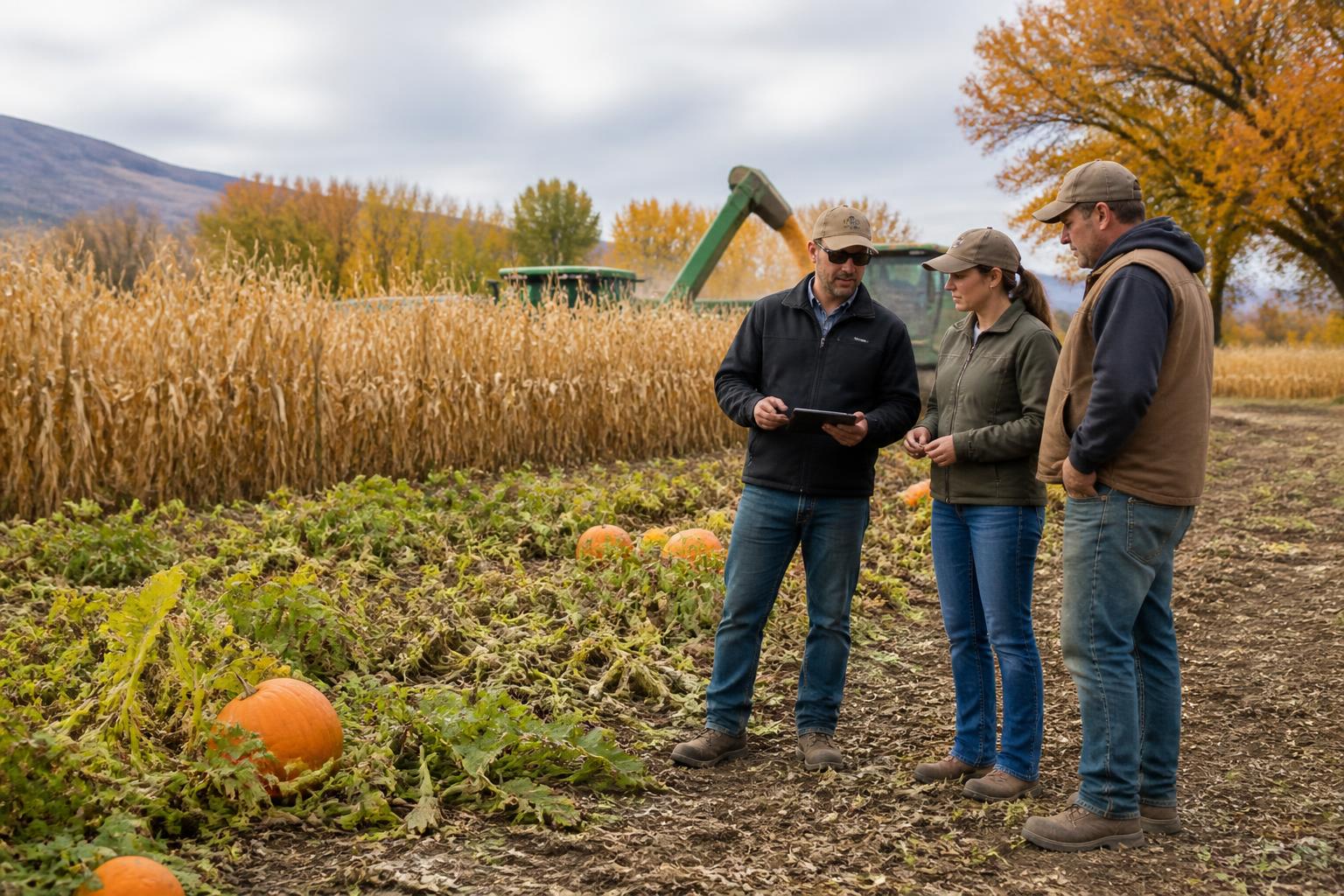
With the fall season well underway, Nevada producers are focusing on end-of-year planning and administrative preparedness. As field activities wind down across the state, many agricultural operations are turning their attention toward the guidance and updates provided by local agencies, which often help shape the logistical framework for the coming months.
Refining Operational Strategy
The current period is a critical window for assessing the successes and challenges of the past harvest season. For those operating within Nevada, this typically involves reviewing logistics and transport protocols to ensure equipment is properly managed before winter conditions take hold. Proper maintenance and storage now can prevent costly delays when the spring cycle begins.
Technology and the Future of Farming
Looking ahead, the intersection of technology and field production remains a primary focus for the industry. Discussions around emerging innovations continue to gain traction as growers seek to improve efficiency in the state's unique arid environment. Events and conferences, such as the upcoming AgriNext gathering in Las Vegas, highlight a shift toward integrating digital solutions into traditional farm management practices. These platforms often serve as a bridge, connecting localized producers with broader industry developments that could influence future regional growth.
Input Management and Planning
While the focus shifts, input management remains a constant priority for Nevada agribusinesses. Understanding the evolving landscape of supply chain requirements—from fuel logistics to fertilizer market shifts—is essential for staying competitive. Producers are encouraged to keep close tabs on updated newsletters from state agencies as they provide vital reminders regarding program deadlines and regulatory adjustments that may affect farm operation budgets for the next year.
What it means for the market
The current market environment in Nevada is defined by a transition toward strategic planning and technology adoption. By leveraging local resources and staying informed on supply chain trends, producers can better position themselves to mitigate potential risks and capture efficiency gains in the upcoming season.
Comments
No comments yet - be the first to share your take.