
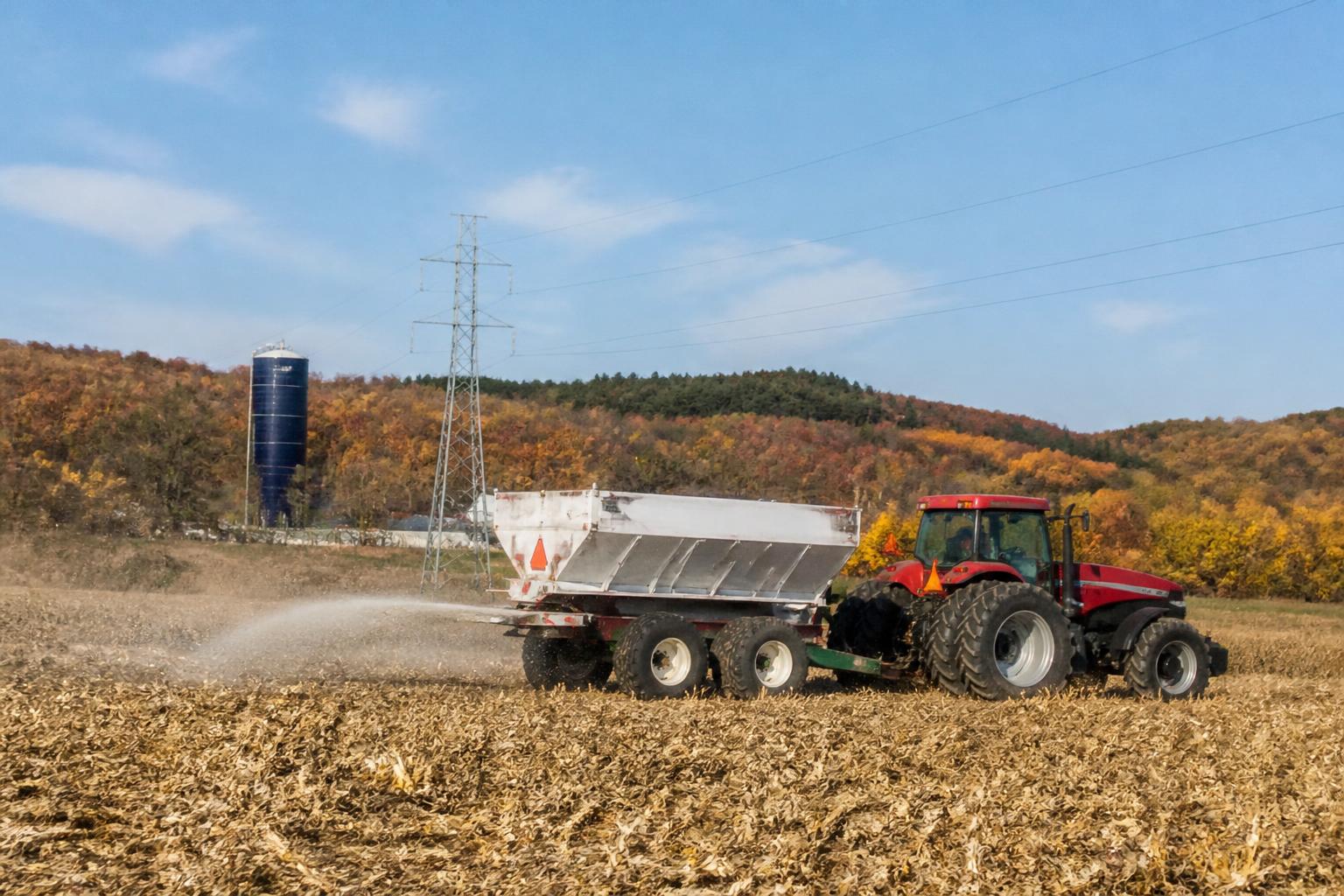
Rising Input Costs Weigh on Fall Nutrient Planning
As farmers across the United States navigate the tail end of fall field operations, the phosphate fertilizer market is experiencing notable price volatility. Global supply chain disruptions, compounded by persistent sulfur shortages, are tightening availability and forcing agribusinesses to reevaluate their procurement strategies for the upcoming season. These factors combined create an environment where cost-effective nutrient management becomes essential for long-term farm profitability.
The Impact of Sulfur Shortages on Fertilizer Logistics
Sulfur remains a critical component in the production of high-demand fertilizers, and recent market shifts suggest that supply constraints could persist for some time. When sulfur supplies tighten, the cascading effects are felt across the supply chain, from bulk manufacturing down to regional distribution centers. Producers may find that supply reliability is just as vital as price stability during this period of market adjustment. Those navigating 2027 fertilizer outlooks should monitor these supply chain bottlenecks closely, as they often dictate the timing of delivery and the final cost of application.
Long-Term Market Dynamics
Beyond immediate supply concerns, shifts in energy infrastructure and natural gas availability are beginning to influence the production costs of essential ag-inputs. Natural gas plays a foundational role in the synthesis of nitrogen-based fertilizers, and any expansion or disruption in this sector can indirectly influence the broader fertilizer complex. For farmers, this means keeping a close eye on regional energy policy and market trends is no longer optional, as these macroeconomic factors can quickly manifest as localized price shocks at the elevator or retail level.
Key Takeaways for Producers
- Monitor regional supply availability as sulfur shortages ripple through distribution channels.
- Account for potential price volatility when forecasting input budgets for the next planting cycle.
- Coordinate with local dealers to secure supply commitments early, minimizing the risk of late-season logistical delays.
What it means for the market
The current market environment suggests that caution is warranted for producers heading into the final stages of the year. While supply remains accessible, the combination of sulfur-driven phosphate inflation and broader energy-related cost pressures means that tactical buying and proactive inventory management will be the primary defenses against margin compression in the coming months.
Comments
No comments yet - be the first to share your take.