
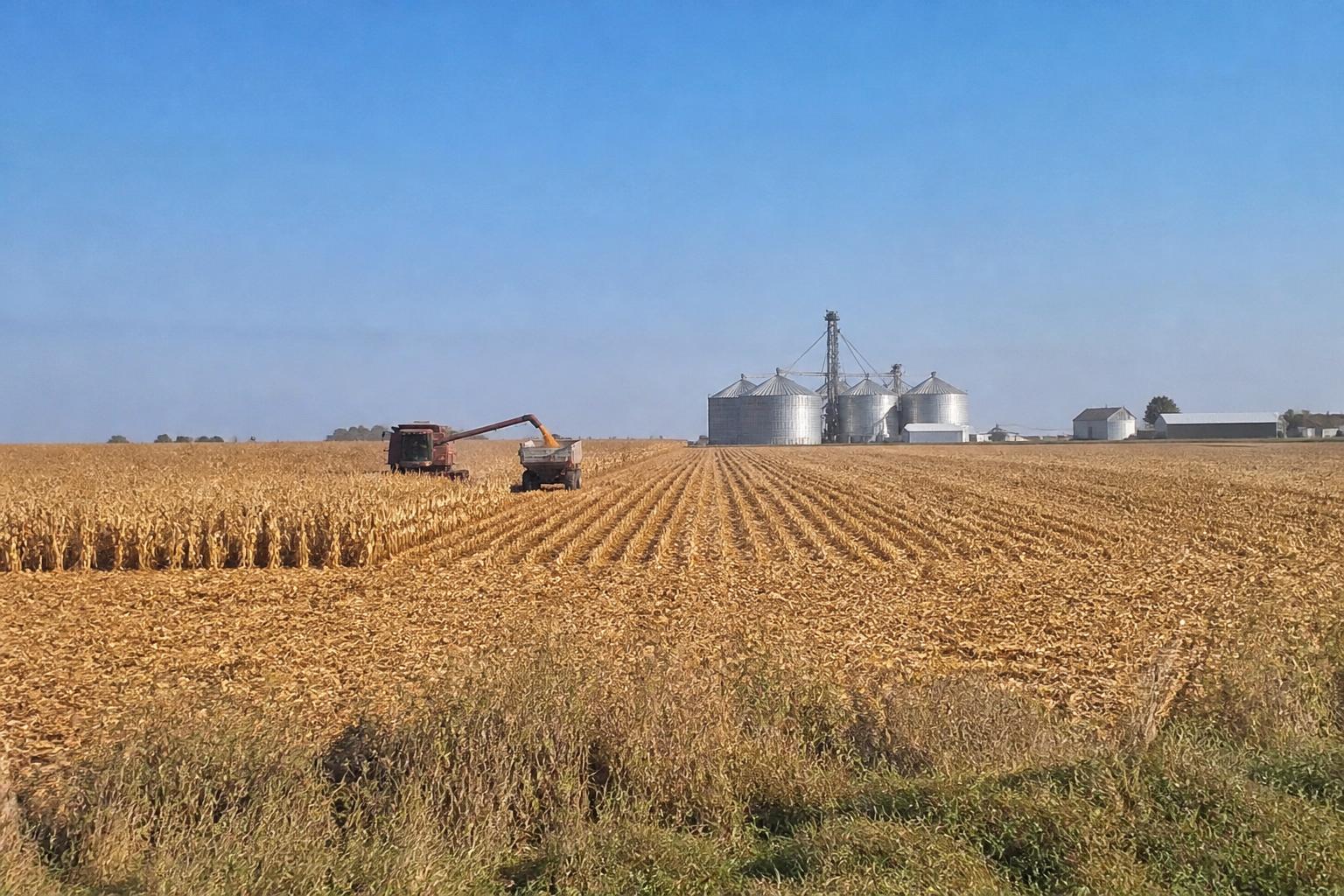
Washington agriculture continues to evolve as state officials recently unveiled a 10-year strategy aimed at strengthening the food and agricultural industries. This long-term vision highlights the necessity of maintaining competitive edge through infrastructure modernization and expanded market outreach, even as producers contend with ongoing fluctuations in global commodity pricing.
For grain handlers and logistics operators, the landscape is increasingly defined by large-scale infrastructure investments. Notably, progress on terminal projects at Washington State ports, such as the advancement of potash export capabilities, underscores the region's commitment to improving throughput efficiency. These developments are vital as the industry navigates the complexities of modernizing grain logistics in Washington to support both regional stability and international trade.
Expanding International Trade Horizons
The state is actively fostering international interest in its agricultural offerings. Recent discussions with foreign delegations, including representatives from Azerbaijan, reflect a broader push to open new avenues for Washington-grown products. For growers and agribusinesses, these efforts represent a potential hedge against market volatility, providing hope for diversified export demand in the coming seasons.
Logistics and Market Resilience
As we move through the fall, the focus remains on ensuring that regional harvest flows remain unencumbered by supply chain bottlenecks. Efficient movement from inland grain elevators to coastal ports is essential for maintaining margins. While global grain and oilseed markets have seen periods of downward pressure recently, local operators are prioritizing lean, responsive logistics to manage costs and sustain operational continuity.
What it means for the market: For Washington farmers and agribusinesses, the intersection of long-term state planning and immediate infrastructure upgrades suggests a period of transition. While global commodity prices remain a primary concern, the focus on bolstering export capacity provides a foundation for potential growth as the industry heads into the next decade.
Comments
No comments yet - be the first to share your take.