
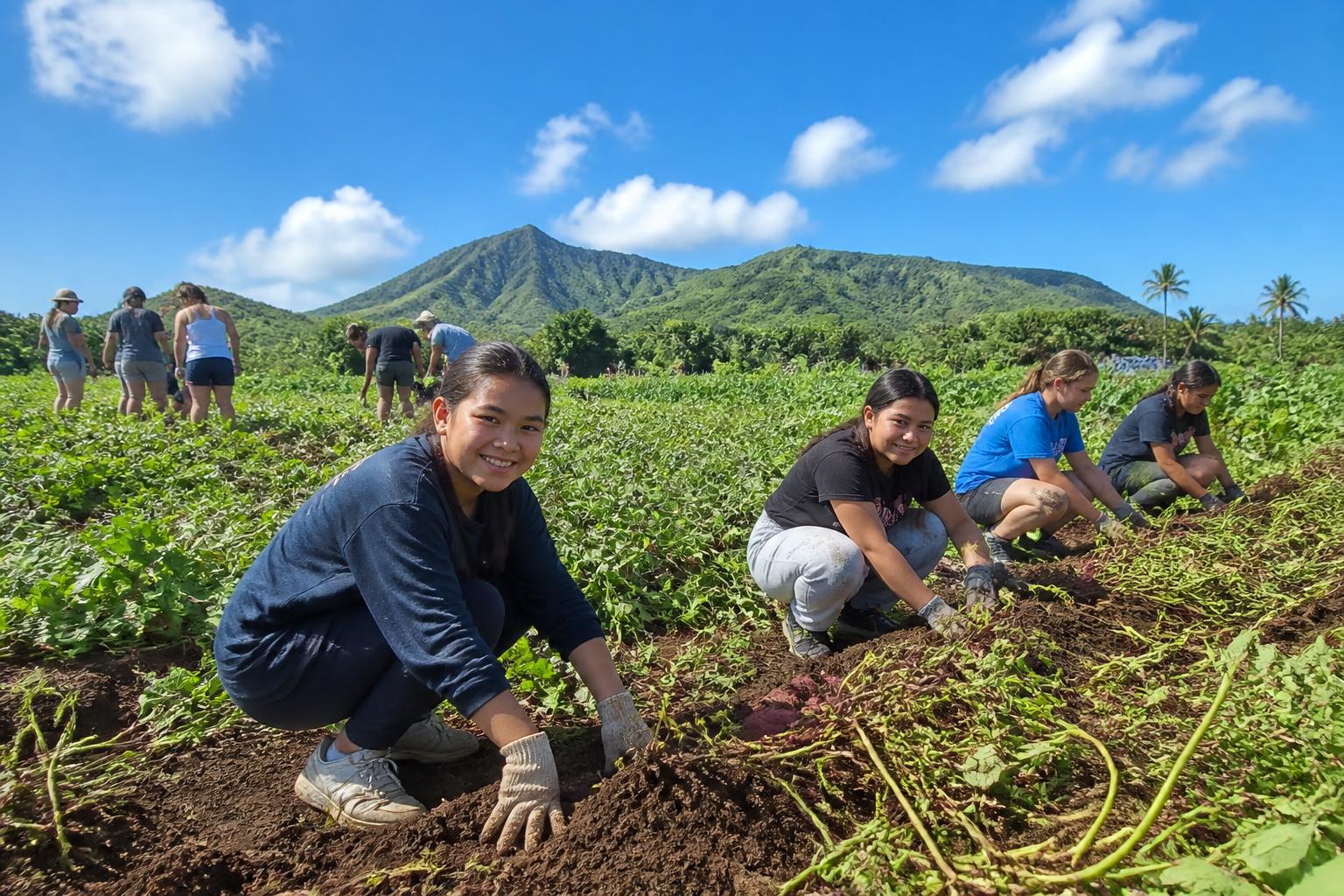
Hawaii's agricultural sector continues to navigate a complex landscape defined by high input costs and the logistical realities of island production. For many local operations, the burden of rising fertilizer prices and the volatility of supply chains remain central concerns, impacting both large-scale commercial farming and smaller, diversified holdings across the islands.
These financial pressures often coincide with a need for enhanced biosecurity and crop health management. From the ongoing battle against invasive species like the coconut rhinoceros beetle to the technical requirements of developing virus-free planting materials, growers are finding that success in the current climate requires significant investment in both technology and localized expertise. Understanding these market dynamics and supply chain vulnerabilities is increasingly vital for farm operators aiming to maintain operational viability.
Adapting to Economic and Technical Pressures
The economic squeeze on essential farm inputs is forcing producers to look closely at resource management. In some regions, the shift toward sustainable, site-specific crop protection is not just an environmental choice but an economic necessity. Recent initiatives, such as those led by university researchers to provide disease-resistant planting stock, offer a potential buffer against production losses that could otherwise destabilize local output.
Furthermore, navigating the regulatory environment remains a priority. As state oversight on chemical applications and land use evolves, growers must balance compliance with the need for competitive efficiency. Staying informed on changing regulations and updated crop protection standards is a standard component of risk management for agribusinesses operating within the state.
What it means for the market
For the Hawaii market, the path forward appears tied to increased local resilience. While global price volatility continues to affect the cost of doing business, the push toward more self-sustaining production models and the integration of younger, trained labor through local educational partnerships may help stabilize long-term growth. Producers who prioritize efficient input usage and stay proactive regarding regional pest and disease alerts will be best positioned to weather the current fiscal headwinds.
Comments
No comments yet - be the first to share your take.