
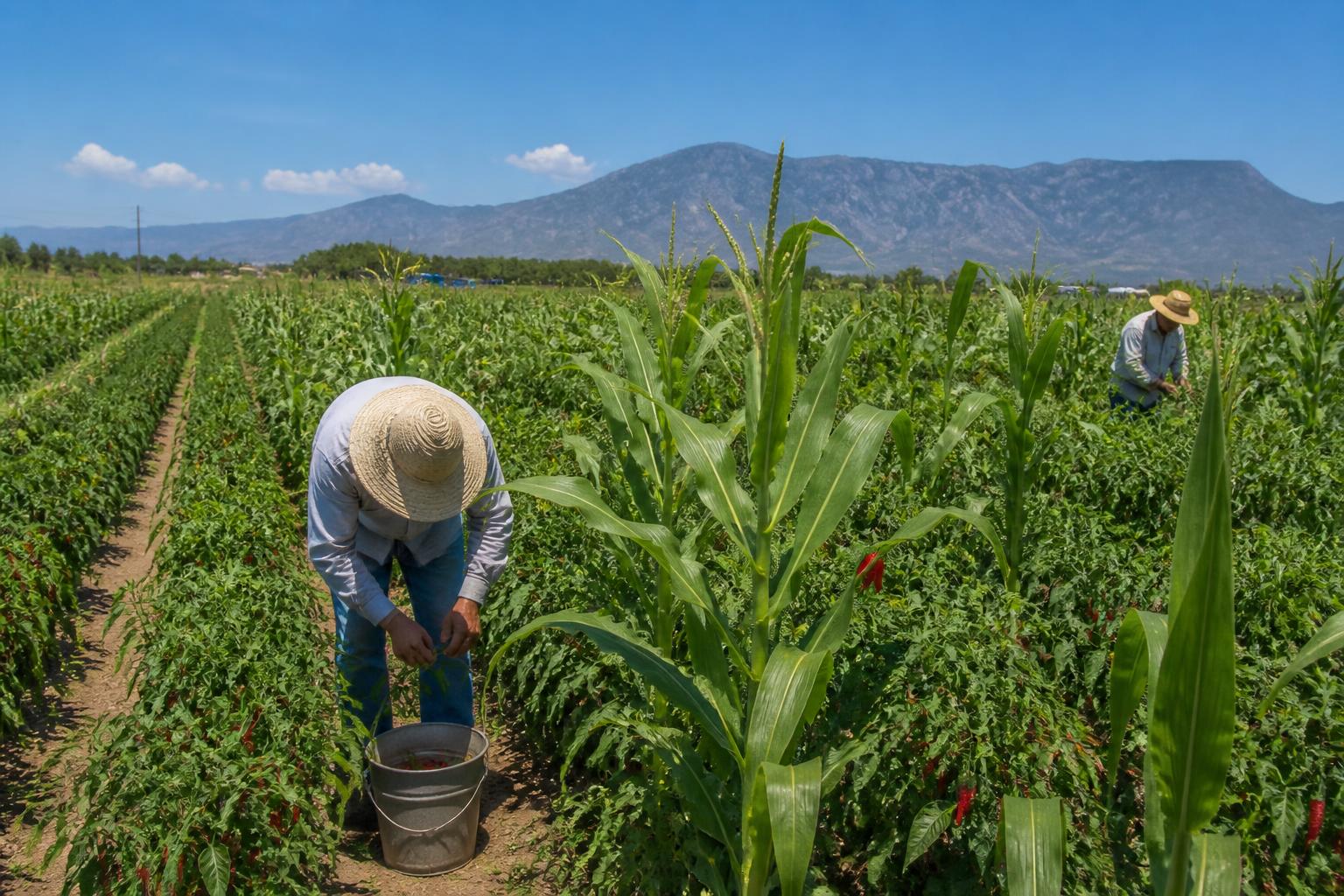
Summer in New Mexico brings a critical focus to border-zone biosecurity and crop management. With regional trade closely linked to Mexican regulatory policies, local growers are monitoring trade agreements and chemical restrictions alongside active pest management. Recent developments, including Mexico's policy shifts regarding glyphosate, are reshaping how producers across the Southwest approach weed control and export compliance.
For New Mexico agribusinesses, keeping a close eye on pesticide regulations is essential to maintaining smooth cross-border flows. As summer field work peaks, maintaining high standards for crop protection helps safeguard both local yields and access to lucrative export markets south of the border.
Trade Policy Relief and Weed Management
The agricultural trade relationship between the United States and Mexico remains a cornerstone of the southwestern rural economy. Mexico's recent decision to lift or postpone its planned glyphosate ban represents a major regulatory relief for grain and forage growers. For farmers in the Rio Grande Valley and eastern plains of New Mexico, this decision prevents a potential disruption in transboundary trade and ensures continued access to vital crop protection tools.
Managing aggressive summer weeds requires a diverse toolkit of chemical and cultural practices. As weed pressures rise during the dry summer heat, understanding local agronomic impacts remains crucial, as highlighted in the discussion on summer pest pressures and quality standards. Reliable access to glyphosate and other standard herbicides allows local growers to keep fields clean and prevent invasive species from compromising grain quality before it reaches regional elevators.
Border Biosecurity and Livestock Protection
Crop protection in a border state like New Mexico is never isolated from broader livestock and environmental biosecurity. Recent reports of New World screwworm cases detected near the U.S.-Mexico border have put livestock producers and state veterinary agencies on high alert. This pest poses a severe threat to warm-blooded animals, demanding rigorous monitoring at border ports of entry and transport corridors.
These ongoing health threats demand tight cooperation between state departments of agriculture, custom agents, and local producers, contributing to the broader summer regulatory and biosecurity challenges facing regional agribusinesses. Ensuring that transport vehicles are properly inspected and herds are monitored prevents costly quarantines that could stall interstate commerce.
Sustainable Crop Protection and Regional Adaptation
In addition to chemical applications, New Mexico researchers and growers are exploring sustainable cultural practices to manage pests and weeds under arid conditions. The New Mexico State University (NMSU) Sustainable Agriculture Science Center at Alcalde has been actively researching non-traditional crops and alternative pest-reduction strategies. Diversifying crop rotations and establishing tighter crop canopies help suppress weed growth naturally while conserving critical soil moisture.
Furthermore, maintaining regional processing infrastructure, such as cotton gins in the southern part of the state, relies on the consistent delivery of clean, pest-free yields. By combining conservation tillage, targeted chemical controls, and strict biosecurity protocols, New Mexico's farming community continues to protect both traditional crops and emerging specialized commodities.
Key Takeaways for New Mexico Growers
- Glyphosate Policy Stability: Mexico's decision to ease glyphosate restrictions provides near-term certainty for export-oriented grain and forage crops.
- High Alert for Screwworm: Livestock and mixed-use operations must maintain vigilant biosecurity practices along major transit corridors.
- Cultural Controls: Incorporating tighter crop canopies and conservation tillage can help naturally suppress summer weed flushes and conserve soil moisture.
What it means for the market
The intersection of international trade policy and regional biosecurity emphasizes the need for flexible crop protection strategies. For New Mexico elevators, shippers, and producers, staying compliant with international pesticide standards while actively managing local pest risks is key to securing stable crop values this summer. Expected stability in chemical availability should keep operating costs predictable, though vigilant monitoring remains necessary to counter localized pest and weed spikes.
Comments
No comments yet — be the first to share your take.