
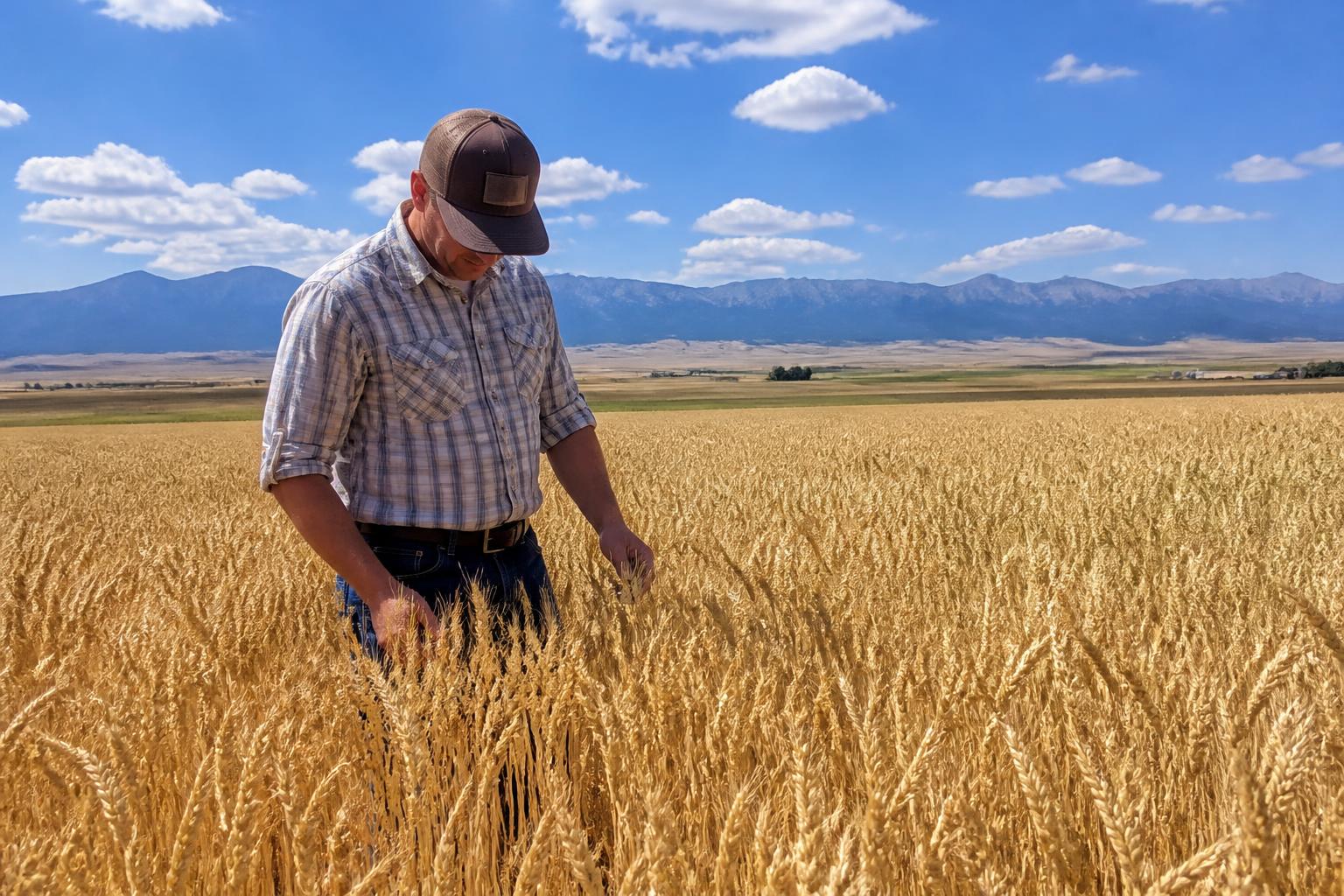
As dry summer weather settles across Montana, wheat and dryland crop growers are facing critical crop protection decisions. Managing weed pressure while preserving crop safety is a top priority in regions like the Golden Triangle and the eastern plains, where early summer heat can accelerate weed growth and deplete critical soil moisture.
With input prices remaining a key pressure point, growers are looking for ways to maximize the efficiency of every sprayer pass. Fortunately, new tools and localized research are providing Montana operations with more flexibility to customize their weed control programs to match their specific pest profiles and environmental constraints.
Expanding Options and Flexibility in Wheat Country
For the state's signature wheat crop, weed management is becoming more adaptable. A new herbicide option is giving wheat growers significantly more flexibility in their spray schedules, allowing them to target tough weeds without compromising crop safety or crop rotation plans. This added flexibility is particularly valuable in Montana's highly variable climate, where sudden wind or heat can quickly disrupt tight application windows.
At the same time, localized agricultural research continues to support regional crop resilience. Montana State University (MSU) recently licensed a new spring wheat variety to a local Montana company, ensuring that growers have access to genetics tailored to the state's unique soils and pest pressures. In addition, MSU's appointment of Blake Wiedenheft as the endowed chair in plant science highlights the ongoing academic focus on crop health and disease resistance, which may offer long-term benefits for local crop protection strategies.
Applying these new tools effectively requires careful planning, especially when trying to maintain yield potential under summer heat. Growers can explore further insights on balancing weed control with crop safety to protect their high-value wheat acres.
Stewardship and Alternative Systems in Focus
Crop protection strategies in Montana are also being shaped by broader environmental conversations. For instance, public discussions surrounding the potential impact of agricultural chemicals on wildlife, such as the debate over elk health near Yellowstone, highlight the growing demand for high-stewardship application practices. Montana operations near public lands and ecologically sensitive areas are increasingly adopting drift-reduction technologies and targeted spraying systems to ensure products remain exactly where they are intended.
These sustainability discussions also extend to alternative production systems. While debate continues regarding the long-term regenerative impact of no-till systems, some Montana growers are proving that high yields are possible with non-traditional methods. For example, some organic winter wheat operations in the state have achieved impressive milestones, with yields topping 100 bushels per acre. Managing weeds in these organic systems relies heavily on diverse crop rotations and mechanical cultivation rather than chemical applications.
Whether utilizing conventional or organic systems, understanding the local environment is essential. Many growers are working to optimize their spray timing by balancing next-gen chemistry with regional environmental stewardship to preserve both yields and natural resources.
Managing High Input Costs with Precision
With crop budgets tight, chemical application is no longer just about choosing the right active ingredient; it is about timing and precision. Applying herbicides too late in the summer not only reduces their effectiveness against hardened weeds but can also risk crop injury as temperatures rise. To counteract high chemical prices, many local growers are adopting variable-rate technology and spot-spraying systems to limit chemical use to weed-heavy areas.
Investing in these high-precision technologies can be a significant upfront expense, but it is often offset by the long-term savings in chemical volumes. For practical tips on managing summer spray budgets, growers can review strategies for managing high input costs with precision tactics to make the most of their protection budgets.
What it means for the market
For Montana grain handlers, chemical retailers, and growers, the crop protection market this summer is defined by precision and stewardship. The introduction of new, more flexible herbicides is helping growers address weed resistance issues while maintaining yield expectations. However, ongoing public scrutiny over chemical use and the success of high-yielding organic operations suggest that the future of Montana agriculture will require a careful blend of chemical efficiency, genetic innovation, and rigorous environmental awareness.
Comments
No comments yet — be the first to share your take.