
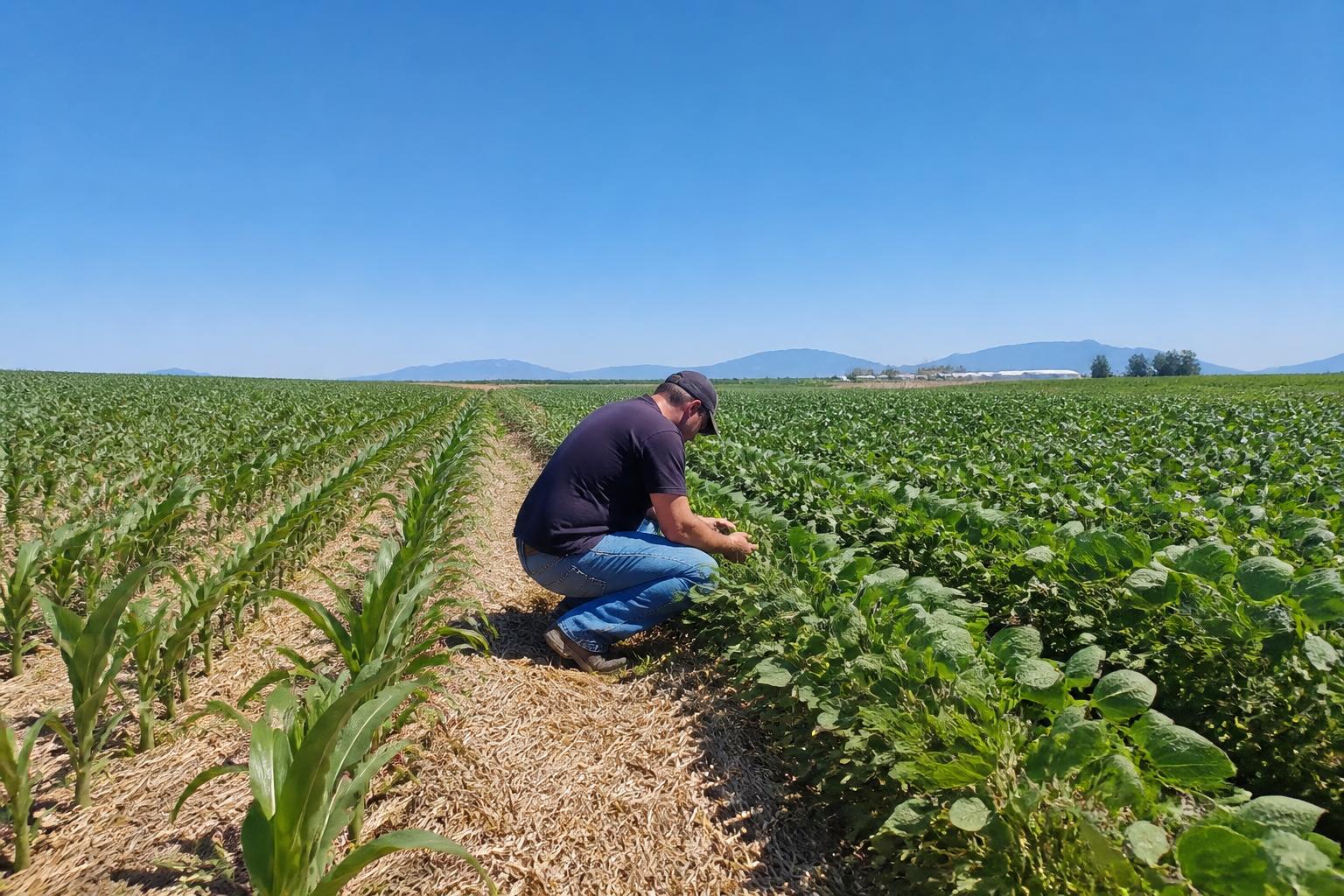
As summer temperatures rise across the Big Sky Country, Montana agricultural producers are entering a critical window for crop protection. Protecting yields while keeping input costs in check requires a delicate balance of timing, technology, and risk management. This June, weed control remains a top priority, but local growers must also manage the risks of crop injury and navigate broader global supply chain shifts.
With drought and logistical bottlenecks frequently challenging logistics corridors along Interstate 15 and US Highway 2, maximizing chemical efficiency is more important than ever. From the Golden Triangle to the eastern plains, local growers are re-evaluating their spray programs to protect sensitive crops and optimize every acre.
Managing the Risk of Herbicide Injury
With high-intensity spraying underway across the state, crop safety is a primary concern. Herbicide injury can occur due to drift, tank contamination, or challenging weather conditions that stress crops during application. A new educational resource on herbicide injury has highlighted the importance of diagnosing chemical damage accurately, helping growers distinguish between environmental stress, disease, and chemical misapplication.
Given Montana's typical dry summer winds, managing drift is critical. Applying products under the right meteorological conditions and using appropriate nozzle technology can prevent off-target movement onto sensitive adjacent crops. Producers are increasingly adopting precision spraying tactics to reduce overall input expenses and minimize the potential for non-target damage.
The Evolving Glyphosate Landscape and No-Till Resilience
As weed resistance grows and glyphosate faces an uncertain long-term future amid ongoing legal scrutiny, Montana farmers are diversifying their weed management toolkits. Many dryland producers have found that long-term investments in no-till conservation practices are paying off by preserving precious soil moisture during dry summer stretches and suppressing early weed flushes.
However, relying less on glyphosate means managers must turn to alternative chemistry groups and integrated pest management (IPM) practices. This shift comes at a time when growers are already navigating rising production challenges in Montana's wheat sector, where keeping fields clean is paramount for protecting grain quality and test weights ahead of late-summer harvest.
Academic Innovation Supporting Plant Health
Montana's agricultural research sector continues to seek advanced solutions to crop protection challenges. Institutions like Montana State University (MSU) are leading the charge. Recently, Blake Wiedenheft was named the MSU Endowed Chair in Plant Science, reinforcing the university's commitment to basic and applied plant research.
Furthermore, MSU researchers are exploring cutting-edge technology to autonomously eliminate plant-killing bacteria from hydroponic and controlled-environment farming systems. While these high-tech systems are currently focused on indoor operations, the underlying biological and technological insights are expected to eventually benefit field-scale crop protection and disease management strategies across the state.
What it means for the market
For Montana grain growers, ag retailers, and custom applicators, crop protection in 2026 is no longer just about clean fields; it is about precision, stewardship, and risk mitigation. High chemical costs and regional logistical constraints mean that misapplication or drift-related crop damage can be financially devastating. Elevators and buyers are watching crop health closely, as clean, disease-free grain will command premium prices in a highly competitive global export market. Strategic planning today will define harvest success later this summer.
Comments
No comments yet - be the first to share your take.