
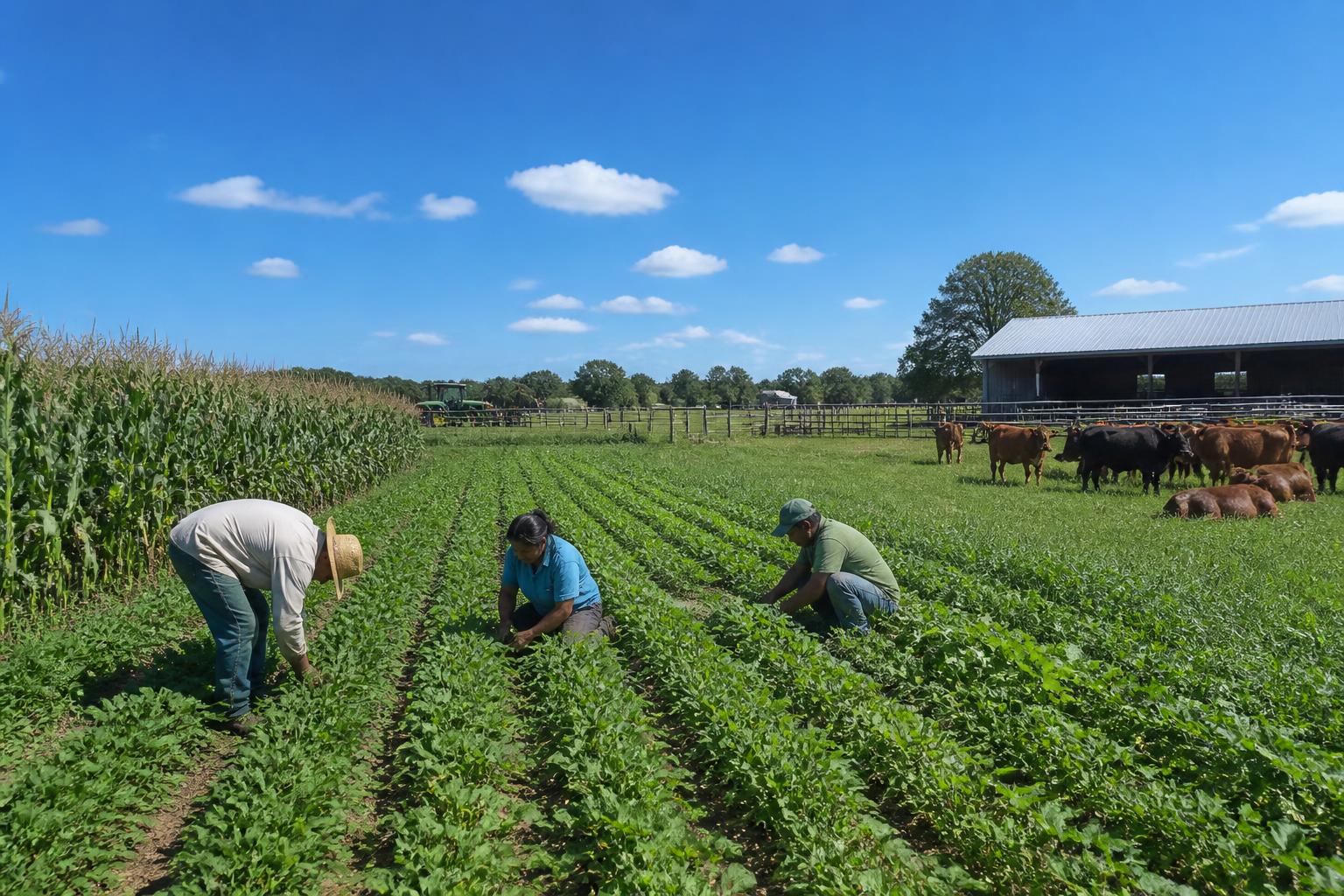
As summer heat intensifies across Florida, agricultural producers are navigating a complex landscape of regulatory updates, local environmental protections, and critical biosecurity initiatives. State leadership and local municipalities are implementing measures designed to shield the state's diverse agricultural sector from external pressures, ranging from legislative and environmental shifts to aggressive pest control operations.
For Florida farmers, livestock owners, and agribusinesses, understanding these protective measures is essential for maintaining operational compliance and securing supply chains. From Tallahassee to county-level administrations, the focus remains on ensuring that the state's agricultural output remains resilient despite seasonal headwinds.
Legislative Reforms Strengthen Farmer Protections
Florida Governor Ron DeSantis recently signed a priority farm bill championed by Agriculture Commissioner Wilton Simpson. This new legislation introduces several structural protections for the state's agricultural community. Key provisions within the bill address local regulatory limits, agricultural land protections, and specific safety measures, including certain Second Amendment protections tailored to rural land management.
By standardizing regulatory parameters at the state level, the bill aims to prevent overly restrictive local ordinances that could disrupt farming operations. This legislative push reflects a broader state effort to maintain a stable environment for growers facing rising production costs and land development pressures.
Navigating Local Input and Fertilizer Ordinances
While state-level protections provide a broad safety net, Florida producers must still adapt to localized environmental rules. In Duval County, for example, local authorities and University of Florida agricultural experts are highlighting the importance of fertilizer ordinances designed to protect regional water quality. These ordinances regulate the timing and application of nutrients, particularly during the rainy summer months when runoff risks are highest.
For growers, complying with county-level nutrient management rules requires careful planning and precise application strategies. This balancing act is particularly critical as input pressures and logistics reshape feed and grain channels across the Sunshine State, forcing operations to optimize every dollar spent on crop nutrition.
Biosecurity Defenses Target Livestock Threats
On the protection front, state officials are also taking aggressive biosecurity actions to defend Florida's livestock sector. The Florida Department of Agriculture and Consumer Services has active protocols in place to monitor and eradicate threats such as the New World screwworm. These defensive measures are vital for safeguarding cattle herds and maintaining domestic and international trade options.
Because pest outbreaks can rapidly affect animal health and disrupt transportation networks, the state's proactive monitoring serves as a crucial line of defense. Maintaining strong biosecurity and supply chain integrity is essential, especially during periods when weather setbacks and real estate pressures constrain summer supplies and reduce regional reefer freight availability.
What it means for the market
For Florida's agricultural marketplace, these protective efforts provide a vital buffer against operational volatility. State-level legislative backing and biosecurity defenses help stabilize production environments, while compliance with local fertilizer rules ensures long-term environmental sustainability. Agribusinesses and logistics providers should expect continued regulatory oversight this summer, requiring close attention to compliance details to avoid operational delays and maximize regional transport efficiency.
Comments
No comments yet — be the first to share your take.