
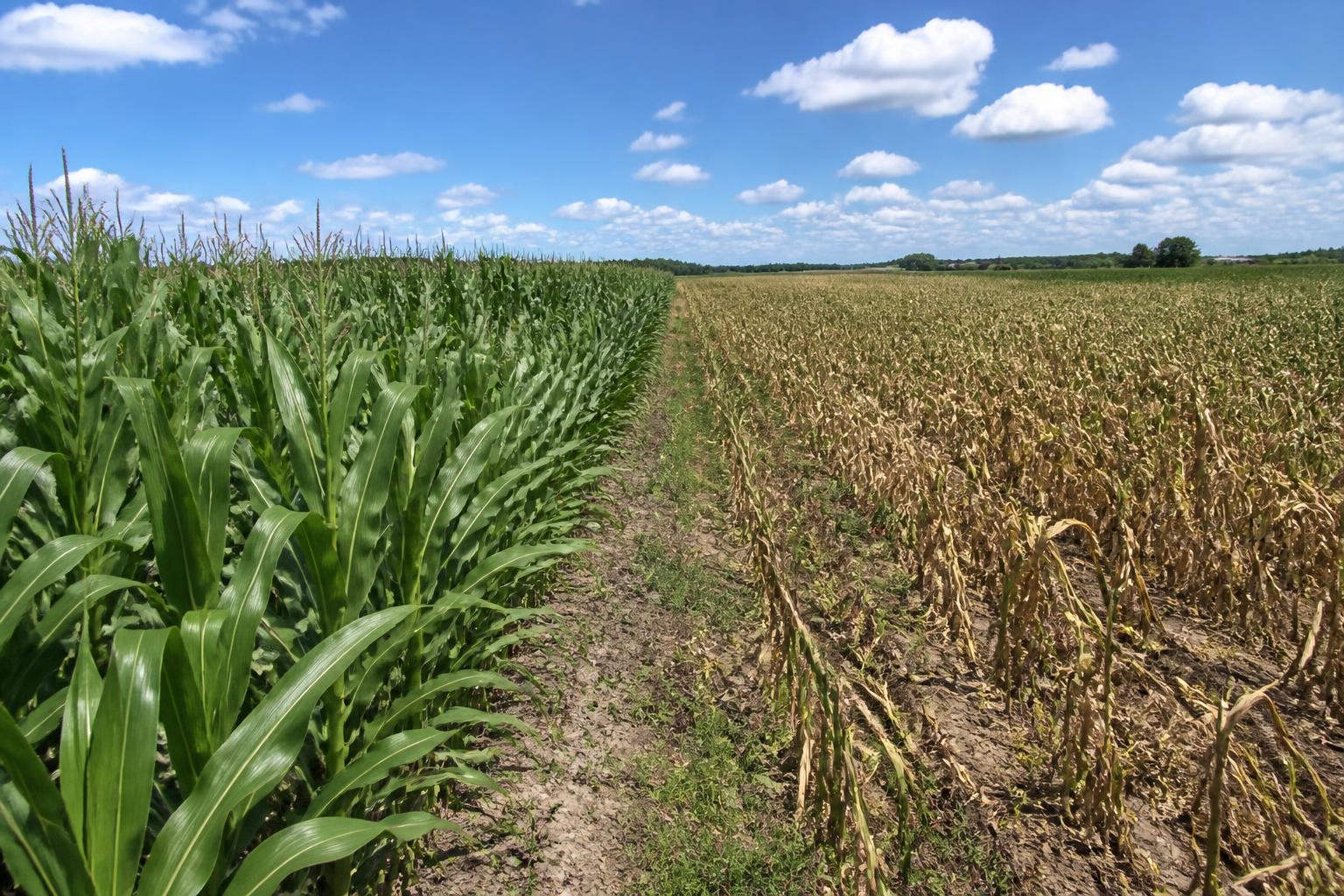
Florida's agricultural landscape is navigating a complex web of environmental, localized, and macroeconomic shifts this summer. From the specialized sweet corn fields of South Florida to the feed grain hubs further north, producers are finding that localized weather disruptions and long-term land-use changes are redefining the state's production boundaries.
While summer typically brings a focus on logistics and regional crop movement, recent weather anomalies and global financial indicators are forcing local operations to re-evaluate their risk management. Navigating these challenges requires a clear understanding of regional market pressures, changing land values, and currency trends.
Weather Setbacks and Yield Pressures in Sweet Corn
Unpredictable temperature swings earlier in the growing cycle have left a lasting mark on Florida's sweet corn volumes this season. Sudden, localized freeze events caught several growers off guard, underscoring the vulnerability of specialty grain crops in the state. For instance, in some hard-hit production areas, individual growers reported losing up to 300 acres-representing roughly a third of their total sweet corn crop-to frost damage.
These supply-side shocks have tight repercussions on regional feed and food supply chains. Localized crop losses mean tight spot market availability and increased volatility for regional grain buyers. In many coastal and central parts of the state, growers are finding that managing these local weather shocks is just as crucial as navigating logistical hurdles in feed and grain channels across the peninsula.
The Battle for Farmland: Palm Beach County's Agricultural Reserve
Beyond weather challenges, Florida's agricultural infrastructure faces persistent real estate pressures. A recent listening tour of Palm Beach County's Agricultural Reserve highlighted what many local stakeholders are calling a "death of 1,000 cuts." As suburban sprawl and residential zoning requests continue to creep into protected farming areas, the space available for grain, silage, and vegetable production is shrinking.
This encroachment limits the physical expansion of farming operations and drives up land lease rates. In some parts of the state, particularly along the southern highway corridors and adjacent counties, this loss of acreage threatens the critical mass of farming infrastructure needed to keep local grain elevators, equipment dealers, and processors economically viable.
Macroeconomic Headwinds: A Rising Dollar Index
On the financial front, a recent increase in the U.S. Dollar Index is casting a shadow over agricultural trade. A stronger dollar typically makes domestic commodities less competitive in international markets, which can suppress broader cash prices for grains. For Florida producers, this macro trend alters both local pricing structures and the cost of imported inputs.
With global demand patterns shifting, regional feed operations and grain suppliers are carefully watching their bottom lines, prompting strategic adjustments for northern Florida growers who rely on steady grain trade and cost-effective input logistics to maintain their summer margins.
Key Takeaways for Florida Growers
- Supply Tightness: Localized freeze damage has significantly reduced sweet corn yields for some regional operations, driving localized price volatility.
- Land Conservation Pressures: Urban development continues to squeeze South Florida's Agricultural Reserve, threatening long-term crop acreage.
- Export and Cost Headwinds: A stronger U.S. Dollar Index makes domestic grains less competitive abroad and shapes state-level input cost dynamics.
What it means for the market
For Florida's grain handlers, sweet corn growers, and feed buyers, the current summer market demands extreme operational flexibility. With land availability under threat from development and localized crop losses tightening regional supply, grain prices are likely to remain sensitive to short-term logistics and weather updates. Buyers should lock in feed requirements early, while growers must continue to advocate for agricultural zoning protections and monitor currency-driven input shifts to secure profitable margins in the seasons ahead.
Comments
No comments yet - be the first to share your take.