
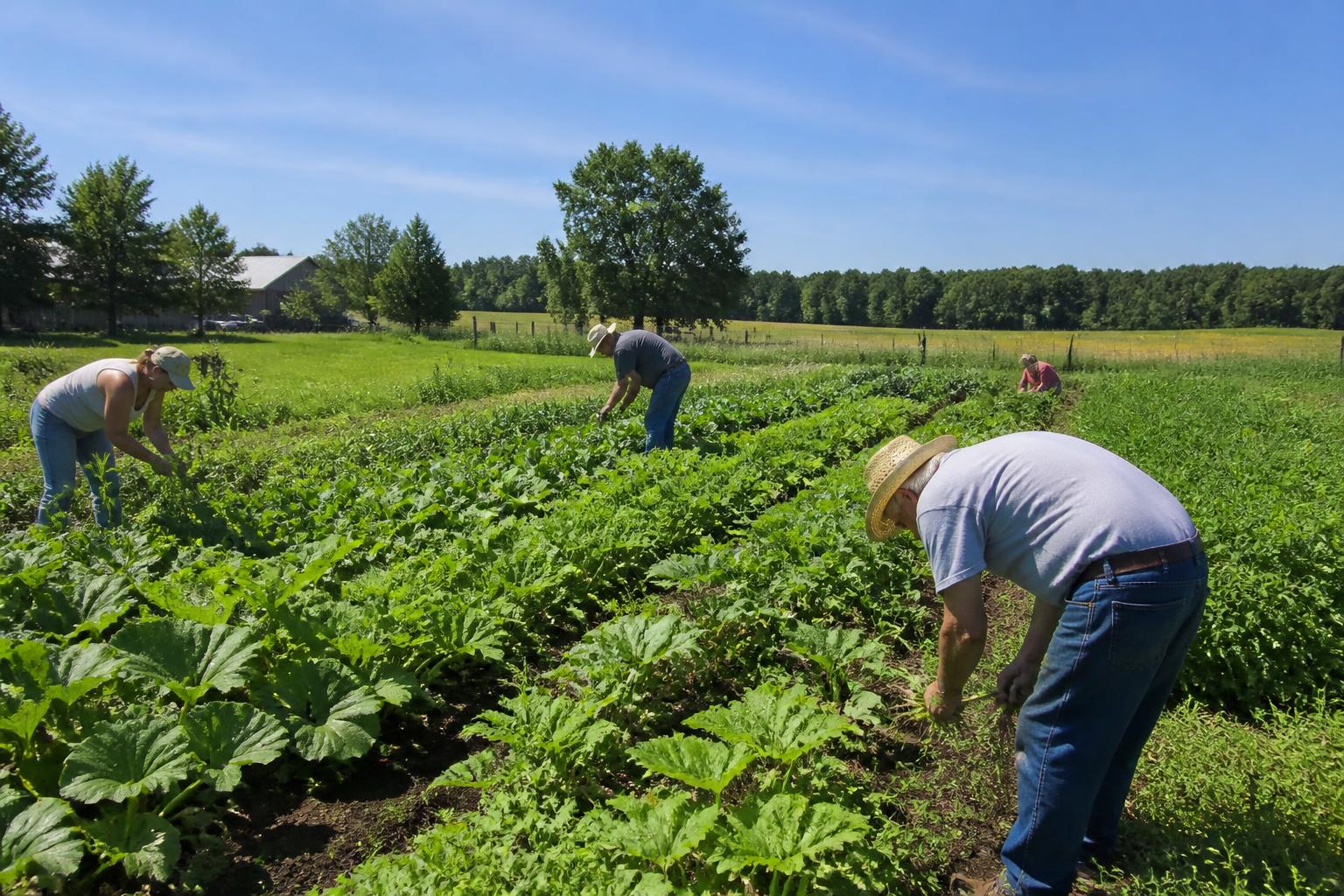
Hawaii's modern agricultural landscape is deeply shaped by its history. Over the generations, the islands transitioned from highly self-sufficient traditional cultivation systems to large-scale export plantation models, and ultimately to a high reliance on imported food and inputs. This historical shift, often discussed in academic and food-policy circles under the concept of "gastrocolonialism," highlights how colonial-era trade patterns altered local diets and land use, leaving island communities vulnerable to global supply chain disruptions.
Today, local farmers, agribusinesses, and policy advocates across the Hawaiian Islands-from Kauai to the Big Island-are actively working to reverse these dependencies. By focusing on diversified crops, seed production, and local food hubs, the state is seeking to build a more resilient agricultural economy that can better withstand shipping delays and volatile global markets.
The Legacy of Plantation Agriculture
For more than a century, Hawaii's agricultural economy was dominated by massive sugar cane and pineapple plantations. While these operations brought significant infrastructure and labor to the islands, they also consolidated land and water resources toward single-crop export systems. As global competition drove those large plantations to close, Hawaii was left with the challenge of repurposing former agricultural lands for modern, diverse food production.
This transition has not been simple. Decades of monoculture farming can alter soil chemistry and require significant investment in soil remediation. Furthermore, the infrastructure designed for shipping massive quantities of sugar and pineapple out of local ports is not always suited for distributing diverse, locally grown vegetables and fruits to local neighborhoods. This mismatch continues to affect how local farmers transport their goods between islands.
Building Modern Local Supply Chains
In response to these historical challenges, Hawaii's agricultural sector is prioritizing local food security. State initiatives and private investments are increasingly targeting biosecurity, local processing facilities, and brand protection to ensure that Hawaiian-grown products can compete effectively with cheap imports. Efforts in safeguarding Hawaii's agricultural supply chains are essential to prevent invasive pests from disrupting local production and to secure the integrity of island-grown brands.
During the summer months, local demand for fresh produce typically peaks with the tourism season, putting additional pressure on local farms. Diversified operations are finding success by partnering directly with local retailers, restaurants, and school food programs, bypassing traditional, long-distance import networks. However, high labor costs and expensive inputs remain persistent obstacles for growers trying to scale up operations.
Logistical Realities of Inter-Island Trade
Operating an agricultural business in Hawaii requires navigating complex maritime logistics. Because the state is isolated in the Pacific, almost all commercial inputs-such as fertilizers, packaging materials, and specialized machinery-must be shipped in from the U.S. mainland or international markets.
Furthermore, distributing harvests across counties like Maui, Honolulu, and Hawaii County requires reliable inter-island shipping. Any delays at the ports can significantly reduce the shelf life of perishable crops, emphasizing the need for improved cold-storage infrastructure at shipping hubs. Collaborative regional distribution centers and cooperative marketing groups are emerging as key solutions to help smaller farms pool their resources and access larger markets.
What it means for the market
For Hawaii's farmers, grain handlers, and input buyers, the ongoing shift away from historical import dependencies represents both a challenge and a commercial opportunity. Investing in soil health, localized supply networks, and robust biosecurity measures is critical to establishing a stable, island-based agricultural system. As consumer preferences continue to favor locally grown and culturally relevant foods, producers who can successfully navigate inter-island logistics and manage high input costs will be well-positioned to lead Hawaii's agricultural revitalization.
Коментарі
Коментарів ще немає — будьте першим.