
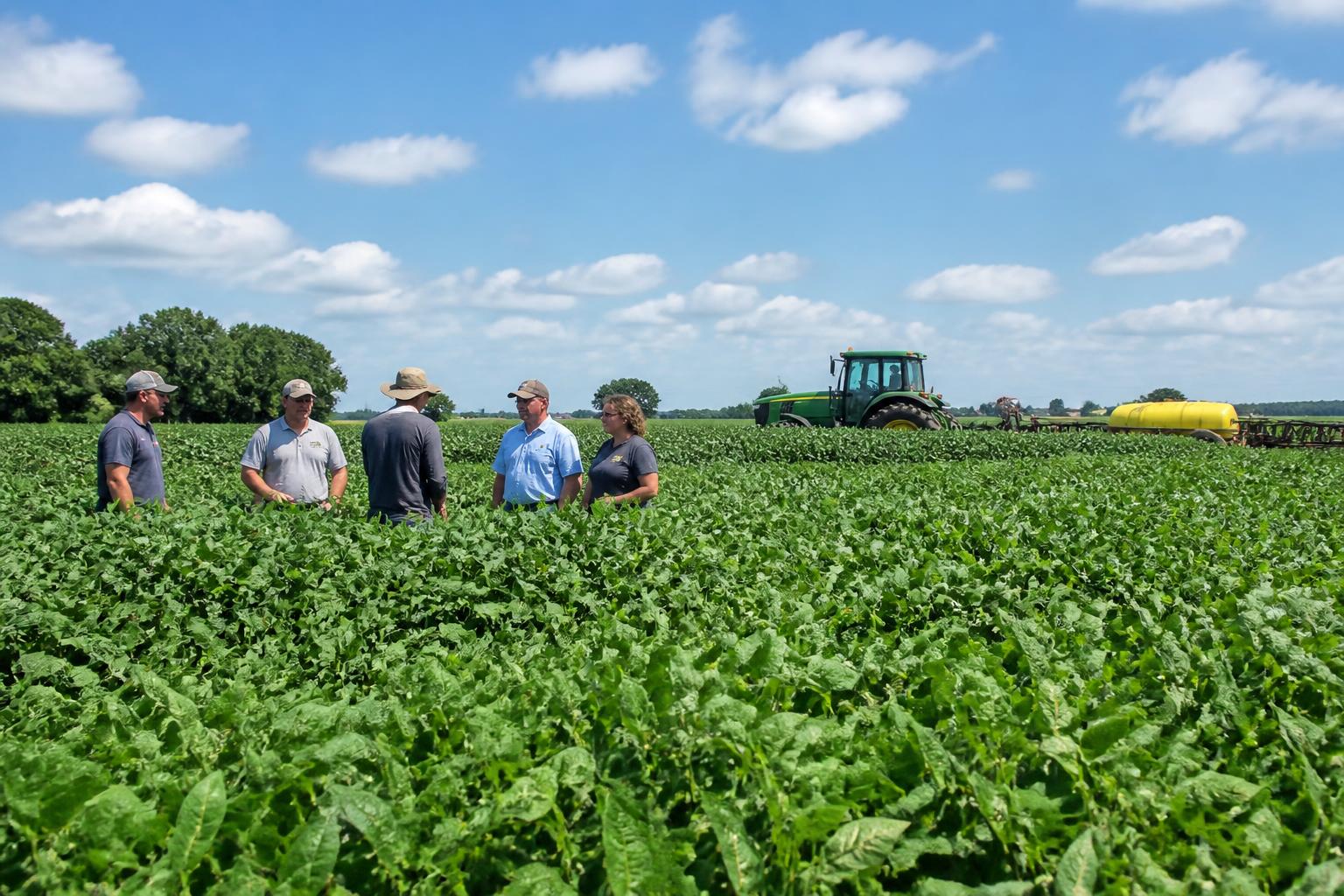
Late June 2026 brings distinct market trends to Louisiana's grain sector. With the Mississippi River serving as a vital export artery, local elevator managers, river carriers, and growers are closely watching the latest USDA Agricultural Marketing Service (AMS) reports. The midyear export bid data highlights a notable shift, with soybeans leading cash grain bids relative to corn and wheat, directly impacting regional pricing strategies at Gulf ports.
For Louisiana producers, navigating the export-heavy market requires a keen understanding of barge freight rates, international demand, and local basis movements. As global trade channels fluctuate, the strength of Gulf bids remains a critical anchor for farm-gate prices across the Delta region.
Gulf Export Bids Show Soybean Strength
According to the USDA AMS export bids reports from late June 2026, soybeans have taken the lead over corn and wheat in terms of cash bid strength. This divergence reflects shifting global demand patterns and tight near-term export supplies. For elevators operating along the Mississippi River corridor from north Louisiana down to the Gulf, these pricing dynamics dictate daily cash bids and storage decisions.
While corn and wheat prices face their own regional headwinds, the strong export bids for soybeans provide a welcome incentive for Louisiana producers. This pricing cushion is particularly valuable for growers who are currently navigating high input costs and Mississippi River corridor pressures during the summer of 2026. Local grain handlers are focusing on maximizing throughput to capture these premium export values before seasonal shipping volumes peak later in the year.
Logistics and Regulatory Pressures in the Gulf Corridor
Logistical efficiency remains the cornerstone of Louisiana's grain trade. Barges moving down the Mississippi River must navigate seasonal draft limitations, locking schedules, and unpredictable summer weather. Any disruption in river traffic quickly reflects in wider basis points at local elevators, making real-time transportation data essential for agribusinesses.
Beyond transportation, regional agribusinesses are also operating under increased regulatory and environmental scrutiny. For instance, environmental groups have recently sought to join federal enforcement actions against local agricultural input and lubricant suppliers, such as the ongoing case involving Smitty's Supply. At the same time, major agricultural companies are investing in sustainable infrastructure; Syngenta's regional facilities have recently earned recognition among the EPA's Top 100 green-power users, demonstrating a broader industry push toward lower-emission operations.
Climate-Smart Farming Takes Root
In response to evolving market and environmental conditions, Louisiana farmers are increasingly looked to as national leaders in climate-smart agricultural practices. Many local growers are implementing cover crops, precision nutrient management, and water-conservation techniques to build soil resilience. These efforts are crucial as producers work on managing intense summer heat and shifting crop calendars across the state.
These sustainable practices not only help mitigate the risks of extreme summer weather but also position Louisiana grain to meet growing market demand for sustainably sourced commodities. This long-term agronomic resilience is helping offset some of the volatility observed in other sectors, such as the regional wheat market challenges that have cropped up earlier this season.
Key Takeaways for Louisiana Agribusiness
- Soybeans outperforming: Midyear USDA reports confirm soybeans are leading cash grain bids at Gulf export terminals compared to corn and wheat.
- Logistical watch: River freight rates and barge capacity remain critical variables for local basis bids as summer progresses.
- Sustainability premium: Continued local adoption of climate-smart farming models helps secure crop resilience and aligns with green energy initiatives seen at major regional ag facilities.
What it means for the market
The strength of soybean bids at Gulf ports presents an immediate marketing opportunity for Louisiana grain handlers and producers with remaining old-crop storage or early-harvested supplies. However, logistics will continue to dictate how much of this export premium translates to local cash prices. Growers should maintain close communication with their local elevators, monitor river freight indices, and consider how climate-smart management programs might offer additional marketing advantages heading into the fall harvest season.
Коментарі
Коментарів ще немає — будьте першим.