
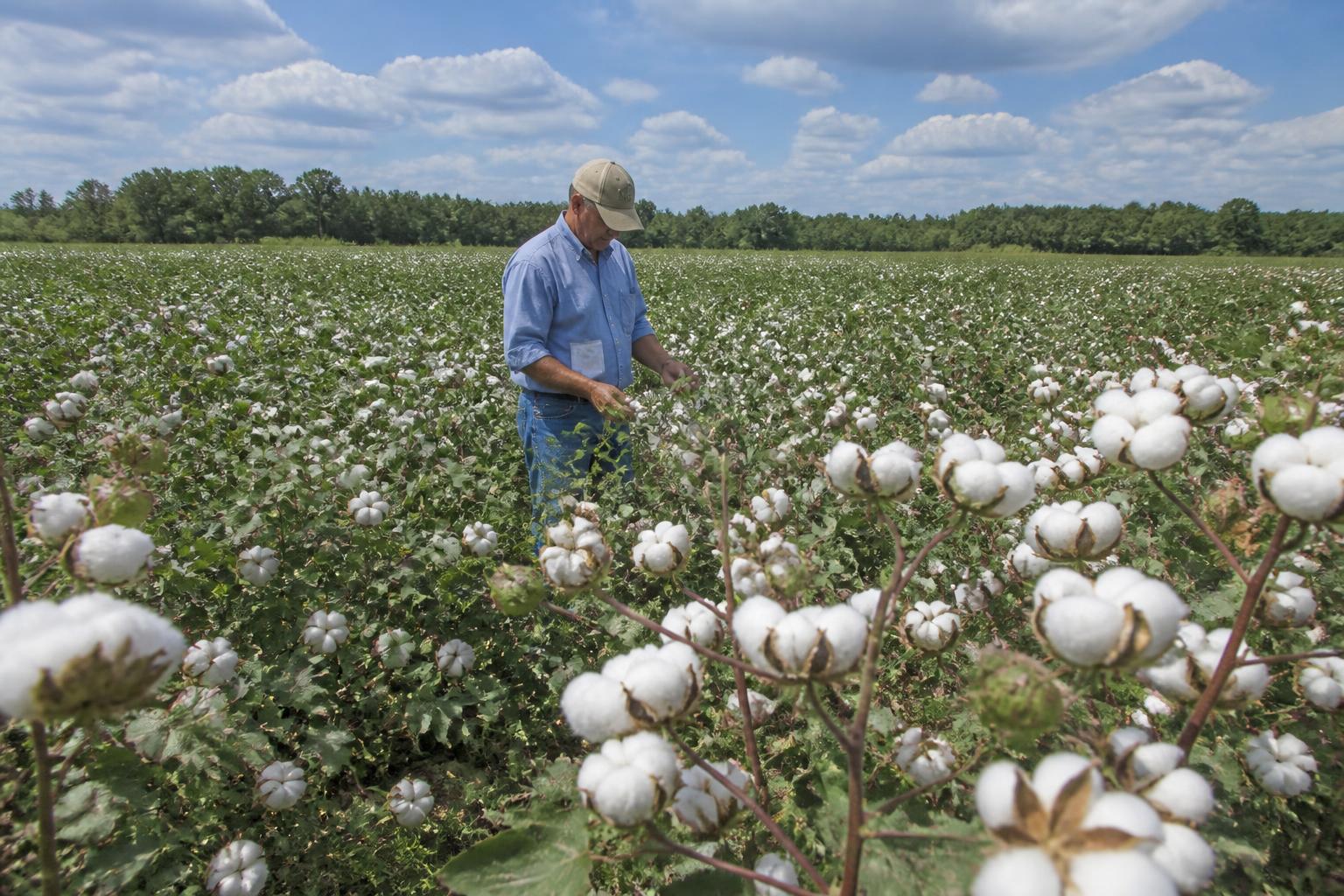
As summer temperatures climb across the Delta, Louisiana crop producers are adjusting their management plans to keep pace with rapid crop development and challenging environmental conditions. From early maturing cotton fields to the lingering effects of spring weather anomalies, protecting crops in the field requires highly strategic chemical and biological solutions. Maintaining clean fields is especially critical this season as growers work to optimize margins amidst volatile global market pressures.
Managing inputs efficiently has become a top priority. Producers in the state are balancing crop protection needs with high input costs and logistical constraints, forcing a closer look at application timing, water quality, and targeted product selections.
Shifting Calendars and Canopy Management in Cotton and Corn
This summer's crop protection schedule is moving faster than usual for many cotton growers. With expectations pointing toward an early cotton harvest, establishing weed control early is paramount. To lower operational expenses, many Louisiana cotton producers have adopted wide-bed planting configurations. While wide beds help manage costs, they also alter the crop canopy, which can affect the shade-out timing of late-season weeds and require careful adjustments to pre-emergence and post-emergence herbicide programs.
Meanwhile, the corn crop presents a split management scenario. After early season freeze events forced some Louisiana farmers to replant their corn, fields across the state are at varying stages of maturity. This uneven development complicates aerial and ground applications, requiring operators to execute precise crop-stage targeting to avoid off-label damage or poor control of late-season pests.
Water Quality and Stress Factors in Weed Control
Crop protection efficacy depends heavily on the quality of the water used in spray tanks. This is particularly true in southwestern Louisiana, where ongoing freshwater management challenges have raised concerns for local irrigators and applicators. When water sources carry higher mineral or salinity levels, it can severely reduce the performance of key herbicides, leading to incomplete weed control and accelerating resistance development.
Furthermore, weeds under extreme heat and drought stress naturally harden off, developing thicker leaf cuticles that resist herbicide absorption. To combat this, growers are focusing on managing summer weed resistance and pest pressures through the strategic use of surfactants and water conditioners. Ensuring applications occur during cooler morning hours also helps prevent chemical volatilization and ensures better leaf penetration.
Evolving Strategies and Biological Solutions
As conventional chemistry faces regulatory shifts and resistance issues, the bioproducts industry is expanding rapidly within Louisiana. This growth offers new biological crop protection alternatives, including bio-pesticides and bio-stimulants that help crops withstand severe summer heat stress. Implementing these tools is becoming increasingly attractive as growers look to transition their protection programs.
This shift is also supported by the ongoing necessity of adapting weed control in the post-dicamba era. With fewer systemic chemical options available, incorporating bio-rational options and diverse modes of action helps protect vulnerable neighboring crops while maintaining clean fields.
Key Crop Protection Takeaways for Louisiana Growers
- Monitor Water Quality: Test spray water sources, especially in southwestern parishes, to ensure salinity and mineral levels do not deactivate expensive active ingredients.
- Adjust for Canopy Differences: Account for wide-bed cotton configurations when planning residual herbicide applications, as slower canopy closure may allow late-season weed flushes.
- Target Specific Crop Stages: Carefully assess replanted corn fields to ensure chemical applications align strictly with the actual growth stage of each individual stand.
What it means for the market
For Louisiana agribusinesses and producers, successful summer crop protection is the dividing line between a profitable harvest and yield loss. With early cotton maturities on the horizon and variable corn stages requiring customized protection schedules, chemical retailers and custom applicators must remain agile. Adapting to localized water challenges and utilizing newer biological options will help secure yield quality, ensuring Louisiana commodities remain competitive in a tight global marketplace.
Comments
No comments yet - be the first to share your take.