
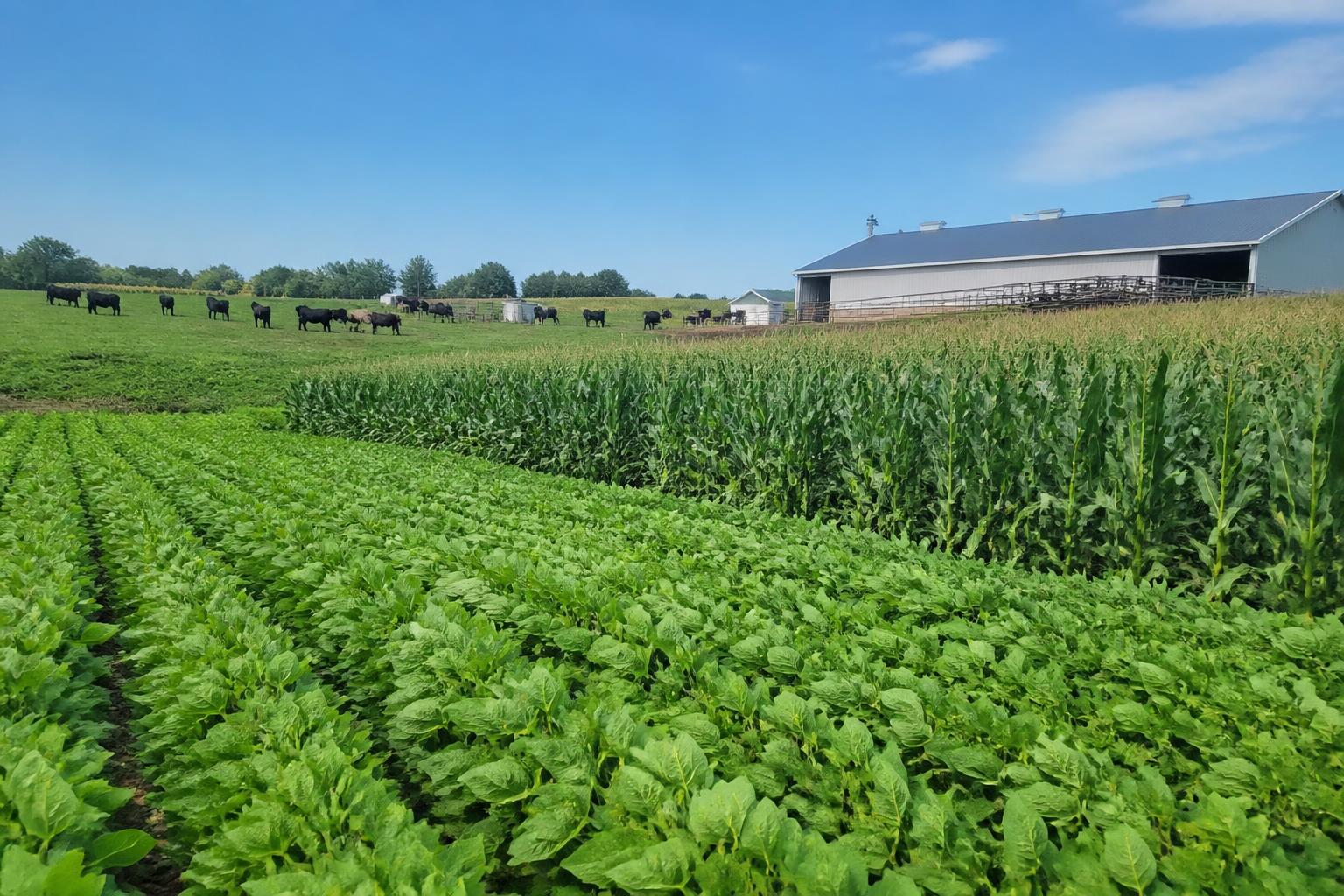
Wyoming agricultural landowners and ranchers are navigating a highly complex landscape of environmental regulations, resource competition, and industry preservation this summer. From federal court rulings protecting wildlife habitat to active state-level debates over defending traditional ranching, resource protection has moved to the forefront of rural policy across the Cowboy State.
As land values and cropland cash rents continue to see upward pressure nationally, the value of securing grazing rights and protecting established acreage has never been higher for local operators. In Wyoming, this plays out in a delicate balance between active energy development, native habitat conservation, and the preservation of the state's deep-rooted livestock heritage.
Wildlife Habitat Protection Drives Multi-Million Dollar Lease Refunds
A major development in federal land management has highlighted the tension between energy development and wildlife conservation. Federal authorities and the state of Wyoming must refund approximately $109 million for illegal oil and gas leases situated within vital sage-grouse habitat. The ruling underscores the strict legal protections surrounding sagebrush ecosystems, which are critical for the survival of the Greater Sage-Grouse.
For Wyoming ranchers, these habitat protections are doubly significant. Many grazing allotments overlap with public lands designated as key habitat zones. While the lease cancellation limits sub-surface energy development in these sensitive areas, it also reinforces the high regulatory standard that agricultural operations must navigate when managing summer grazing. Maintaining compliance with wildlife protection protocols remains a daily operational reality for cattle and sheep producers utilizing public lands.
Defending the Livestock Industry and Ranching Traditions
In addition to habitat litigation, Wyoming leaders are actively looking at legislative avenues to protect the state's livestock sector from emerging market alternatives. Pointing to similar legislative actions in other states like Florida, Wyoming Senate President Ogden Driskill has advocated for banning lab-grown meat in the state. Proponents of such measures argue that prohibiting cultivated proteins is a necessary step to shield traditional livestock producers from synthetic competition and preserve ranching communities.
To keep traditional ranching operations competitive, local producers are also focusing on internal efficiency and genetic improvements. For instance, targeted educational clinics, such as cattle artificial insemination clinics hosted in the state, help ranchers maximize herd quality and reproductive success. These hands-on programs allow cattlemen to protect their bottom lines by producing more resilient livestock suited to the challenging high-plains environment.
Landowner Mobilization and Crop Management
Protection efforts are also occurring at the county level, where local landowners are actively defending their private property and regional water resources. Across various communities, residents and agricultural producers have organized protests against industrial developments, such as a proposed gravel pit, citing potential disruptions to the local water table, dust control issues, and diminished agricultural land utility.
These local land conflicts emphasize the broader need for comprehensive estate and resource planning. In addition to defending physical acreage, Wyoming producers seeking to bolster their operations against environmental pressures also focus on Wyoming crop protection and resilient forage solutions to secure their seasonal yields during dry summer spells.
What it means for the market
The intersection of wildlife conservation rulings, local industrial protests, and legislative pushes to ban synthetic meat demonstrates a concerted effort to protect Wyoming's rural economy. For agricultural businesses, these developments suggest that regulatory scrutiny around public land grazing and conservation habitats will remain intense. Ranchers and land buyers should expect conservation values and protective covenants to play an increasingly dominant role in land valuation, lease negotiations, and long-term operating costs throughout the region.
Comments
No comments yet - be the first to share your take.