
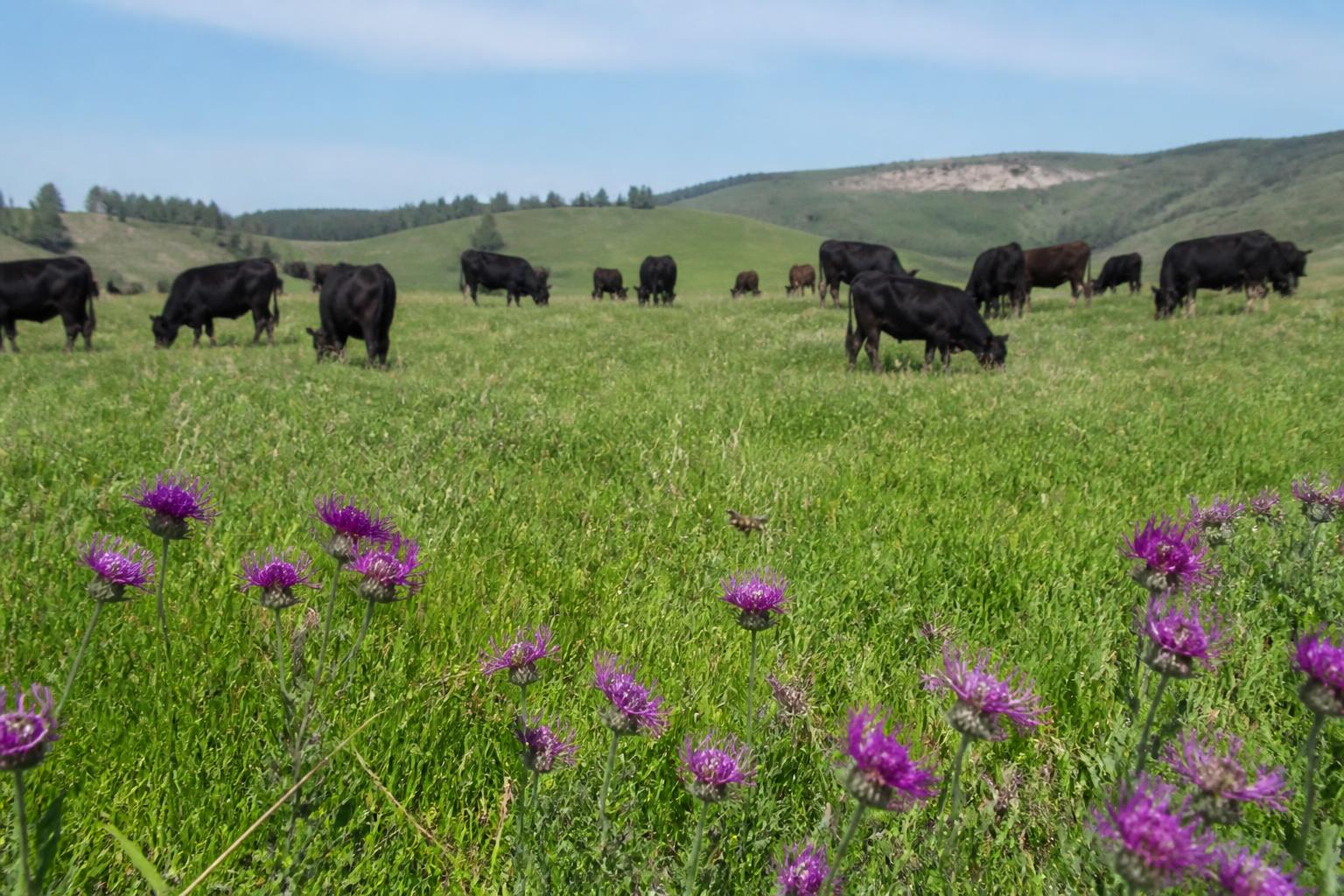
Wyoming agricultural producers are navigating a challenging summer as ongoing dry conditions and elevated operational costs squeeze margins across the state. From the high-elevation pastures of the southeast to the crop fields of the Bighorn Basin, securing yields requires a multi-front approach. To combat these pressures, growers and researchers are focusing heavily on innovative crop protection, biological pest management, and water-optimized forage strategies.
By shifting toward integrated pest management and validating hardy alternative crops, local producers are finding new ways to insulate their operations from seasonal volatility. These protective measures are proving essential for maintaining both crop quality and livestock feed supplies during the dry summer months.
Biological Controls: Harnessing Beneficial Wasps for Crop Protection
As chemical input costs remain high, interest in biological pest control is rising. University of Wyoming researchers, including entomologist Scott Shaw, who recently co-edited a comprehensive book on beneficial wasps, are highlighting the critical role of natural predators in agricultural ecosystems. Parasitoid and beneficial wasps serve as highly efficient, natural biological control agents by targeting common crop-destroying pests.
Integrating these biological allies into local management plans allows growers to reduce their dependency on expensive chemical applications. This ecological approach to pest management is particularly valuable for protecting high-value crops and forage fields without incurring the steep costs associated with traditional synthetic pesticides. For more details on managing insect pressure and environmental hazards during the hot season, producers can consult the guide on managing summer crop pests and livestock health.
Drought Mitigation and Forage Protection in Eastern Wyoming
Water availability remains a persistent concern for Wyoming agriculturalists, prompting a push for crops that can thrive with limited irrigation. In eastern Wyoming, recent agronomic research has confirmed the viability of new forage crops specifically suited to the region's semi-arid climate. These alternative forages offer a protective buffer for cattle ranchers who need dependable feed options when traditional pasture grasses dry up.
Additionally, local operations like the Sims Cattle Company have demonstrated that harvesting methods can actively protect forage quality. Their findings indicate that windrowed hay can retain higher nutritional value than other standard harvesting methods, ensuring livestock receive high-quality feed even when grazing conditions deteriorate. Proactive steps in forage selection and harvesting are crucial for navigating regional water constraints and maintaining herd health.
Evaluating Viable Alternatives in the Bighorn Basin
In northern Wyoming, growers in the Bighorn Basin are assessing the long-term feasibility of alternative crops like ancient grains. While these specialty grains can sometimes require intensive resource management during specific growth phases, researchers confirm they remain a viable option for regional crop rotations. Incorporating resilient grain varieties helps protect local farm economies by diversifying revenue streams and reducing vulnerability to single-crop failures during periods of prolonged drought.
Key Takeaways for Wyoming Producers
- Embrace biological controls: Utilizing beneficial insects, such as native wasps, can naturally suppress pest populations and lower chemical input bills.
- Protect feed nutrition: Adjusting harvest techniques, such as windrowing hay, helps retain forage nutrients for dry-season feeding.
- Diversify with hardy crops: Exploring newly verified forage varieties in eastern Wyoming and ancient grains in the Bighorn Basin helps mitigate weather-related production risks.
What it means for the market
For the broader Wyoming agricultural market, the adoption of biological pest controls and drought-resilient crops represents a shift toward self-reliance and cost stabilization. By lowering reliance on expensive chemical treatments and securing local feed supplies through optimized forage management, producers can better protect their bottom lines against high input costs and dry summer weather. Over time, these protective practices will likely stabilize local feed markets and preserve ranching profitability across the state.
Comments
No comments yet - be the first to share your take.