
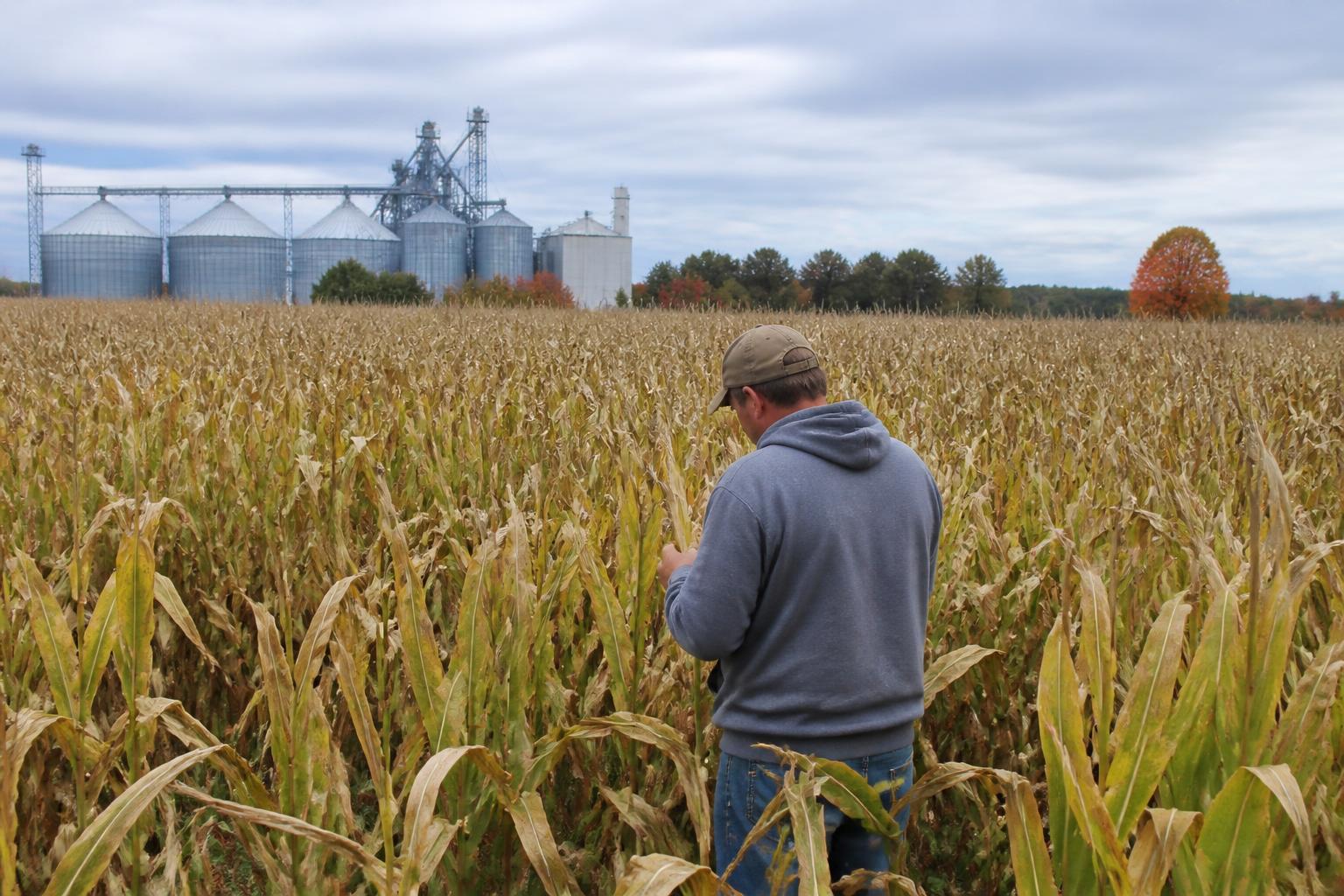
As Indiana producers transition into a busy fall schedule, the state's agricultural infrastructure is seeing notable improvements in capacity. The recent launch of a significant fertilizer terminal in Spencer County represents a strategic development for regional input distribution. By leveraging access to the Ohio River, this facility aims to streamline the movement of essential crop nutrients, potentially helping to alleviate some of the supply chain friction often encountered during peak demand windows.
Efficient logistics remain a top priority as growers continue navigating fall operational shifts, which often test local transportation networks. The addition of this terminal capacity—designed to handle large volumes—provides a critical injection of supply-side reliability into the southern Indiana corridor. For local agribusinesses and retailers, having proximity to such major river-fed storage may offer a buffer against the volatility typical in seasonal agricultural supply chains.
Refining Input Strategies for 2027
Beyond logistics, the focus for many Hoosier farmers is shifting toward optimizing input efficiency for future growing seasons. With academic research suggesting that nitrogen management can be fine-tuned without compromising yield performance, there is growing interest in more precise nutrient application. Integrating these agronomic insights alongside more robust regional storage can allow for better inventory management, helping producers prepare for upcoming 2027 input demands with greater confidence.
What it means for the market
The establishment of large-scale, water-accessible infrastructure in Indiana serves as a hedge against land-based transport bottlenecks. As the industry looks to maintain margins in an increasingly competitive environment, these investments in local supply chain resilience are expected to play a key role in stabilizing input costs and availability for growers throughout the state.
Comments
No comments yet - be the first to share your take.