
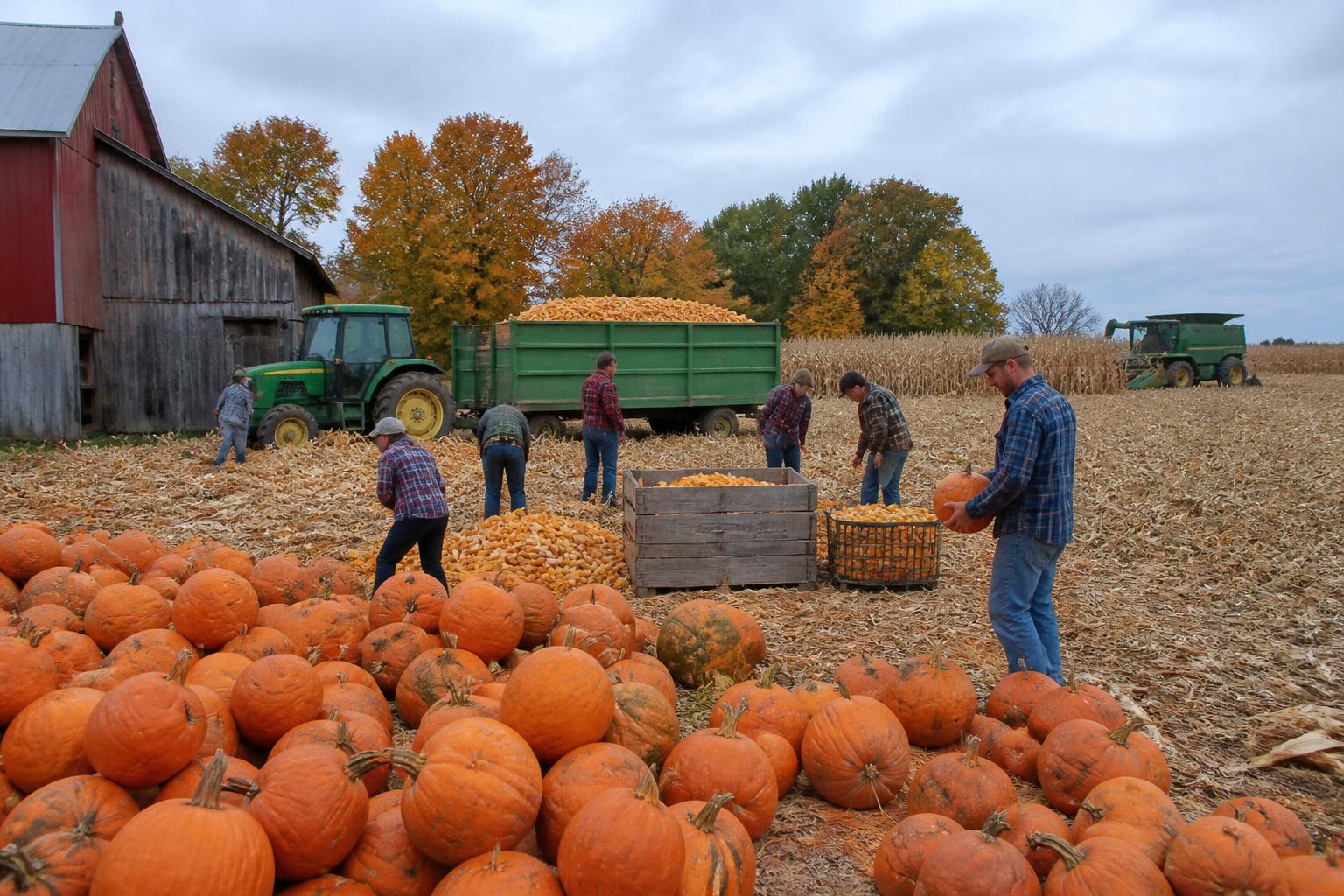
As Indiana fields reach maturity and the pace of activity accelerates across the state, the focus for many agribusinesses and producers shifts toward maximizing logistical efficiency. With harvest underway in various counties, from the northern corridors near Lake Michigan to the rolling landscapes of southern Indiana, ensuring a seamless flow of goods from the combine to the elevator is essential to mitigate potential bottlenecks.
Maintaining Indiana ag logistics remains a balancing act. Producers are currently weighing the need for rapid transit against the constraints of regional storage and transportation infrastructure. Whether navigating local state highways or coordinating with broader regional distribution hubs, agility in decision-making can significantly impact the bottom line during this high-stakes period.
Infrastructure and Market Dynamics
The strength of Indiana’s agricultural sector often relies on the interconnected nature of its supply chain, where everything from specialized egg production facilities to grain handling networks plays a vital role. In many parts of the state, farmers are assessing the health of local storage and the availability of transport capacity to ensure that market-ready commodities reach their destinations without unnecessary delay.
Beyond immediate logistical concerns, the broader economic climate continues to influence long-term planning. Uncertainties in global commodity markets, alongside shifts in the input sector, underscore the need for strategic risk management. Many operators are now looking ahead to the coming seasons, evaluating how current financial and infrastructure pressures might inform their approach to land management and technology investments.
Prioritizing Safety and Efficiency
This time of year demands a heightened focus on operational safety. As traffic increases on rural roads and machinery takes center stage in daily field operations, prioritizing communication among transport operators and field crews can prevent costly delays and accidents. For many Indiana growers, the success of the season is measured not just by yield, but by the ability to move products safely and efficiently through an evolving marketplace.
What it means for the market: Tightening margins and logistical volatility require producers to maintain close coordination with their local grain handlers and logistics partners. By staying proactive regarding storage capacity and transportation windows, Indiana agribusinesses can better navigate the fluctuations typical of a busy fall season while positioning themselves for stability in the year ahead.
Comments
No comments yet - be the first to share your take.