
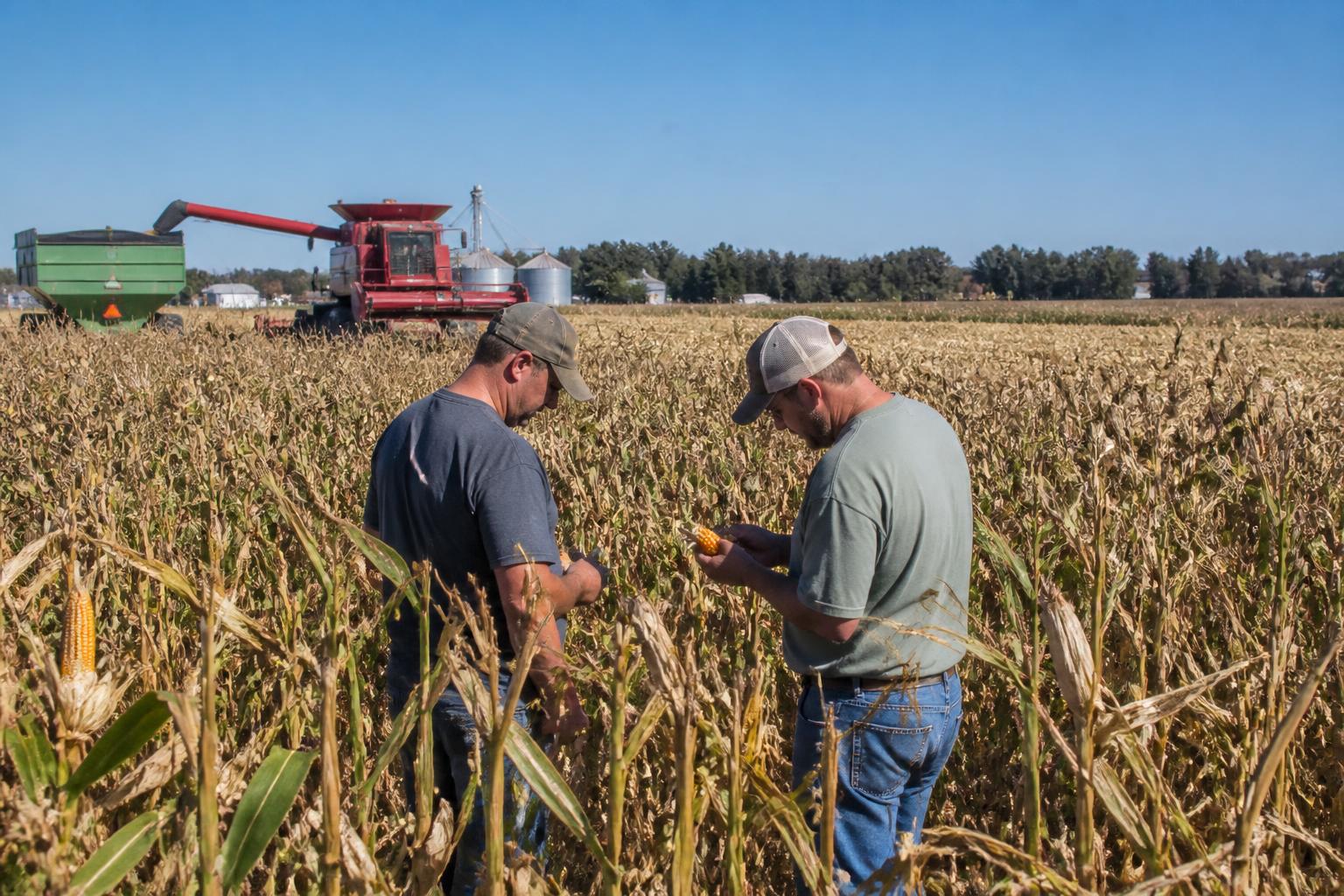
As Indiana producers pivot toward the autumn landscape, the focus shifts from harvest logistics to long-term input management. While the seasonal rhythm of grain movement is traditionally the headline in September, fertilizer procurement strategies are increasingly dictating farm-level margins for the upcoming production year. With shifts in global ammonia supply and local infrastructure investments, farmers are carefully evaluating when to lock in rates for the next cycle.
Navigating Input Volatility and Regional Development
The agricultural landscape in Indiana continues to evolve with significant capital projects aimed at stabilizing supply. Recent investments in clean ammonia fertilizer production within the Wabash Valley highlight a long-term push to buffer local growers against the price swings often seen in global commodities markets. For many operations across the state, these local supply chain improvements serve as a vital hedge against the volatility that characterized the past year.
Strategic Planning for 2027
With margins remaining thin, producers are increasingly cautious with input expenditures. Many agronomists and industry leaders are emphasizing data-driven nutrient management to optimize efficiency. This professional approach to fertility is being bolstered by collaborative efforts like the Indiana Ag Nutrient Alliance, which is setting forward-looking goals to enhance stewardship and cost-efficiency through 2025 and beyond.
As you move through this harvest window, keeping a close watch on storage capacity remains critical. Whether balancing on-farm storage utilization or coordinating with local elevators, the ability to store grain effectively often determines the flexibility available for timing fertilizer purchases. Integrating logistics with nutrient planning can provide a clearer picture of your working capital for the seasons ahead.
What it means for the market
For the Indiana grower, the current environment demands a blend of operational patience and proactive purchasing. While local ammonia projects may eventually provide more price stability, the immediate market remains sensitive to external shocks. Aligning your fertilizer needs with your harvest-time cash flow and storage capacity will be a defining factor in maintaining healthy margins as we move toward the next planting season.
Comments
No comments yet - be the first to share your take.