
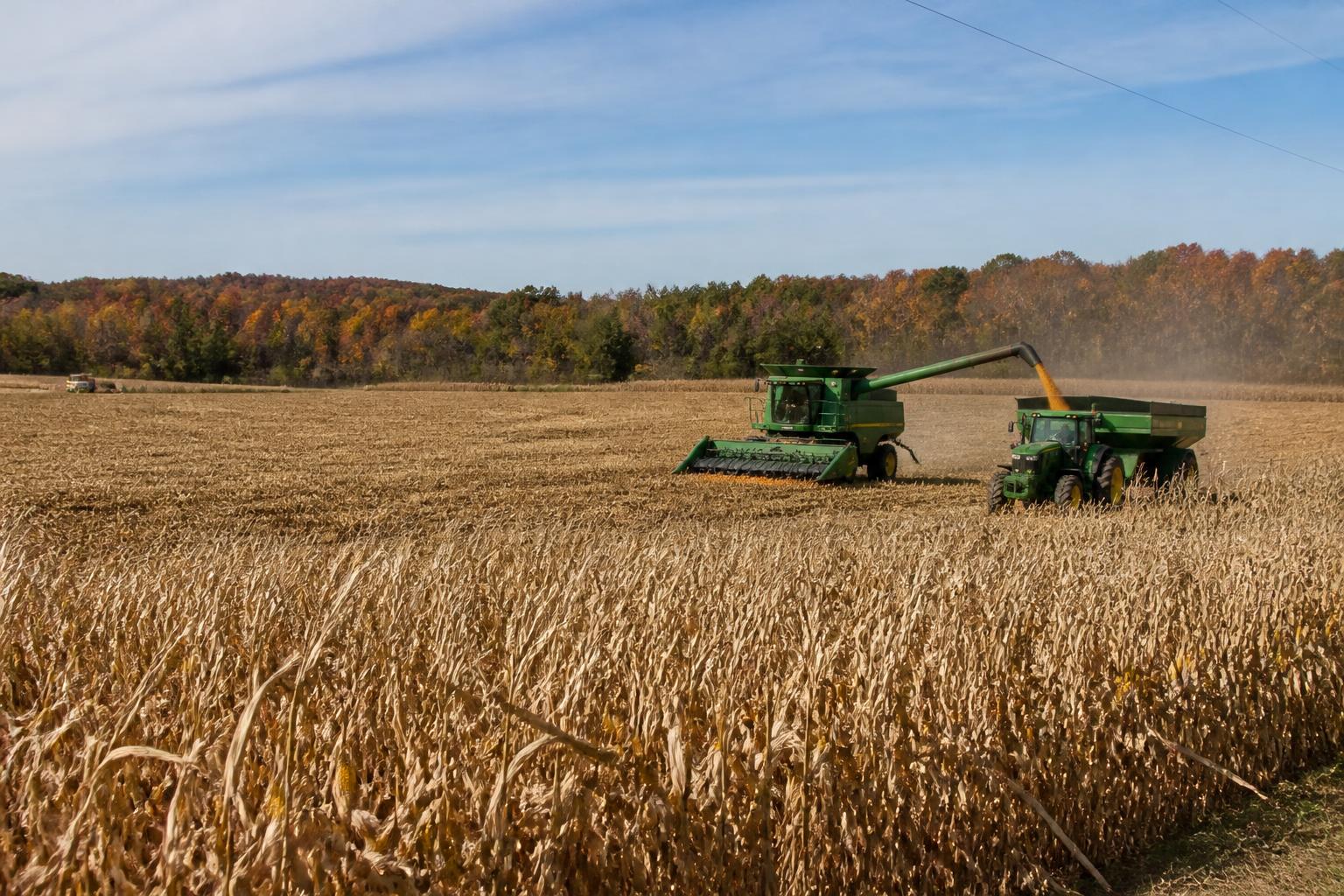
As we move through the heart of October, Delaware producers are navigating a complex intersection of logistics, economic planning, and long-term land stewardship. The state's agricultural sector, particularly in regions like Sussex County, is currently focused on optimizing field operations while responding to broader shifts in the national economy and commodity markets.
For many farm businesses, this season is marked by an emphasis on financial resilience. Recent engagements between Delaware agricultural stakeholders and regional federal banking representatives underscore the urgency of maintaining liquidity and managing input expenses effectively. Understanding these dynamics is essential for producers looking to manage rising input costs while planning for upcoming seasonal cycles.
Land Preservation and Productivity
The pressure on rural land continues to influence decision-making for multi-generational operations. As developers increasingly express interest in farmland, local growers are weighing the immediate benefits of premium offers against the intrinsic value of preserving acreage for future production. For those continuing in production, maximizing output per acre has never been more critical, especially as optimized field efficiency remains a key driver for profitability during the busy fall window.
Input Management and Sustainable Growth
Effective crop protection remains a cornerstone of successful harvest management. Whether addressing pest pressures like the spotted lanternfly or fine-tuning fertility programs, Delaware growers are increasingly looking toward specialized solutions that balance chemical efficacy with environmental stewardship. Managing these inputs is not just a seasonal necessity but a long-term strategy for maintaining soil health and navigating the shifting availability of global nitrogenous and specialty fertilizers.
Furthermore, the growth of local produce markets in southern Delaware provides a vital opportunity for farmers to diversify their revenue streams. By connecting more directly with regional demand, producers can mitigate some of the volatility associated with larger commodity fluctuations.
What it means for the market
For Delaware agribusinesses, the current environment demands a dual focus: immediate operational discipline and strategic long-term planning. Producers should prioritize data-driven input application to ensure maximum ROI this season, while staying informed about shifting regulatory environments that impact fall crop management and logistics. By focusing on efficiency and high-value market channels, local farmers can strengthen their position against broader economic headwinds and ensure the viability of their operations through the coming winter months.
Comments
No comments yet - be the first to share your take.