
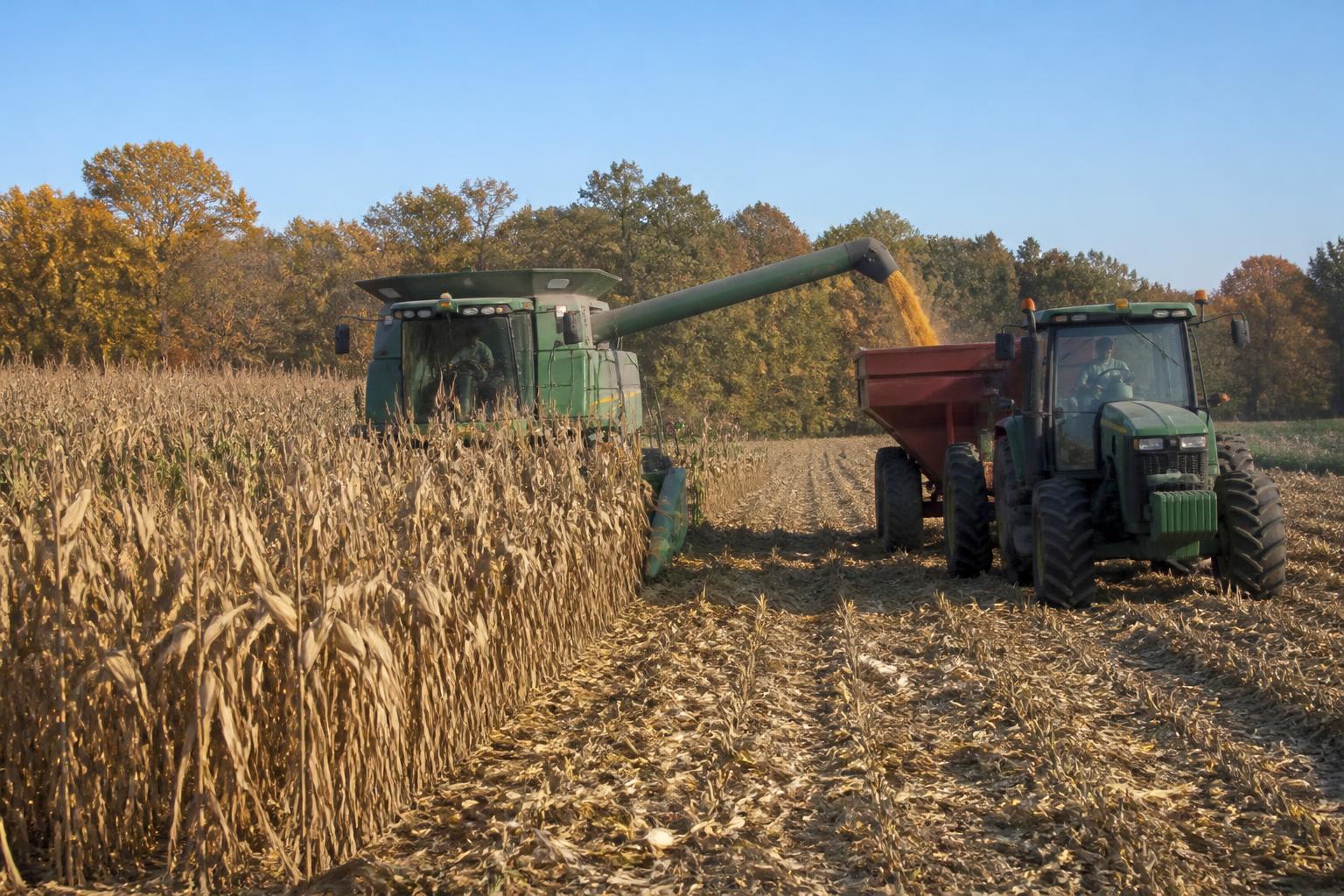
With the autumn harvest season in full swing across Delaware, farmers are navigating the final stages of the production cycle while looking ahead to land maintenance. The transition from active harvesting to fall field preparation marks a critical window for integrating sustainable crop protection practices. As fields are cleared, regional growers are evaluating how current input strategies align with long-term soil productivity goals.
Refining Input Strategies for the Next Season
As logistics and supply chains remain a central focus for the agricultural sector, Delaware agribusinesses are emphasizing the importance of timely decision-making. Proactive management of field conditions—whether through cover cropping or early-stage weed suppression—can often mitigate future pressures. By focusing on site-specific needs, growers in counties like Sussex and Kent may enhance the efficacy of their crop protection and nutrient management plans, ultimately reducing wasted resources and improving bottom-line outcomes.
Leveraging Regional Expertise
Extension efforts, including expanded field tours and university-led research, continue to provide producers with data-driven insights. These programs help bridge the gap between experimental innovation and practical application on the farm. Leveraging these resources allows local operations to stay agile in the face of shifting market dynamics, ensuring that crop protection measures are both economically viable and environmentally responsible as winter approaches.
What it means for the market
The market is currently seeing a shift toward precision-oriented input purchasing. For grain handlers and input suppliers, the focus is increasingly on providing solutions that offer better, more sustainable ROI. Farmers who prioritize smart, data-backed field management now are likely better positioned to handle the logistical and supply-side uncertainties that typically characterize the start of the next planting season.
Comments
No comments yet - be the first to share your take.