
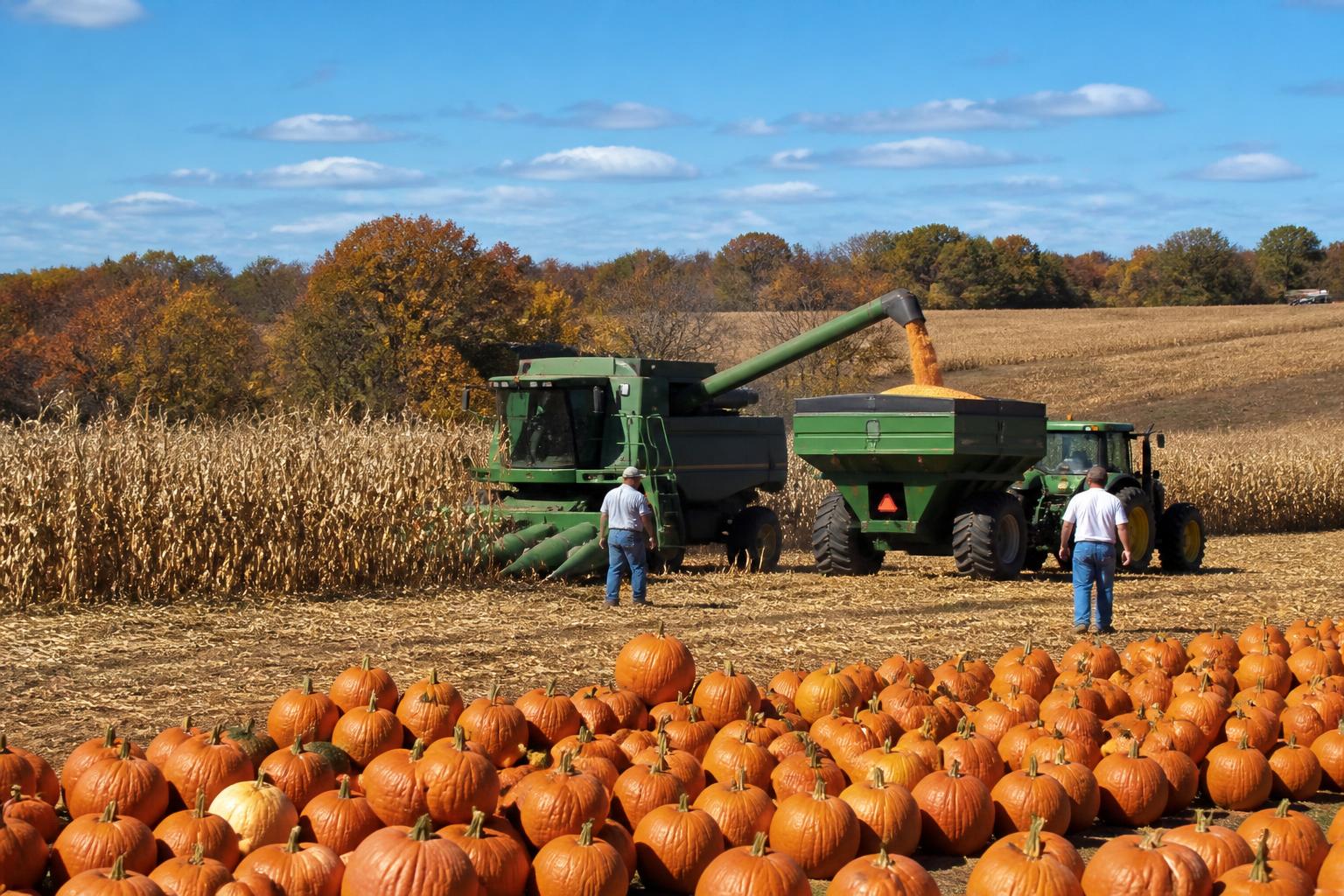
As Delaware’s agricultural sector moves deeper into the fall season, the intersection of regional logistics and regulatory awareness is becoming a primary focus for growers and handlers. With the harvest cycle in full swing, managing the flow of commodities from field to facility requires close attention to the unique freight corridors crossing the Delmarva Peninsula. Market participants are increasingly evaluating how seasonal traffic patterns and infrastructure constraints can impact the bottom line for local operations.
For those managing input procurement and crop protection, staying informed is essential. You can find more detail on managing fall fertilizer logistics and regulatory shifts in Delaware to better align your storage and application strategies with current regional standards. Efficient logistics during this window often determine the speed at which you can clear storage for new yields.
Navigating Market Pressures
The economic landscape for Delaware farmers remains a frequent topic of discussion with financial stakeholders. As local producers navigate broader market shifts, balancing input costs remains a top priority. Understanding the Delaware crop protection outlook is key to maintaining sustainability while controlling expenses as we head into the dormant season. Additionally, proactive field management, including strategies for optimizing Delaware field efficiency, can provide an edge during the busy transition months.
What it means for the market
For Delaware agribusinesses, this period demands a dual focus on operational agility and long-term planning. While local logistics constraints can pose immediate challenges, maintaining a clear view of how these factors tie into broader economic trends allows for more informed decision-making. By prioritizing efficient handling practices and keeping abreast of extension resources, operators can better buffer against market volatility and set a stronger foundation for the coming season.
Comments
No comments yet - be the first to share your take.