
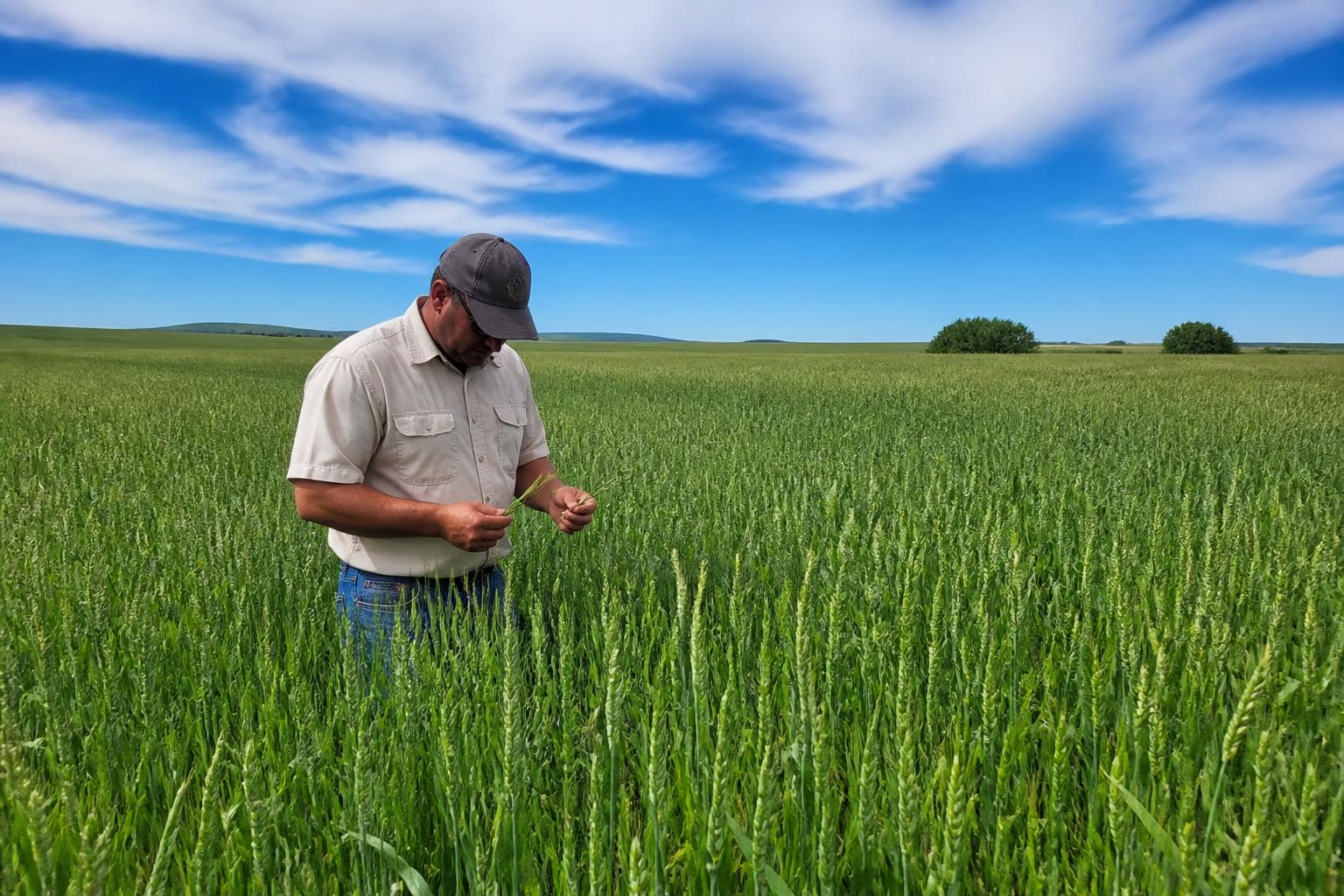
As summer temperatures rise across Montana, grain growers from the Golden Triangle to the Hi-Line are entering a critical window for crop protection and field management. With fields actively growing and early-season weed pressures mounting, local agribusinesses and producers are looking to new agronomic tools to safeguard their yields. Balancing crop health with environmental stewardship remains a central focus as the state navigates a complex agricultural landscape this season.
This June, operations along major transportation corridors like Highway 2 are combining traditional field scouting with advanced plant genetics and targeted chemical applications. The push for efficiency is particularly vital as producers work to optimize inputs and protect margins in a demanding market environment.
New Herbicide Flexibility and Precision Application
Weed management remains one of the most persistent hurdles for Montana dryland and irrigated wheat growers. The introduction of new herbicide options is providing producers with greater flexibility in their application timing and weed-control spectrum. This development is crucial for keeping fields clean during critical growth stages without causing undue stress to the main crop, a theme that remains essential when balancing chemistry and crop safety in Montana's summer crop protection programs.
At the same time, regional environmental debates are keeping the spotlight on how these inputs are utilized. Discussions surrounding the impact of agricultural chemicals on local wildlife, such as concerns regarding elk populations near the Yellowstone region, underscore the growing necessity for highly targeted, precision application techniques. Producers are increasingly adopting strategies that minimize drift and runoff while maintaining robust defense against invasive weeds.
Genetic Innovations and High-Yield Successes
On the research and development front, Montana State University (MSU) continues to drive local crop innovation. MSU recently licensed a new spring wheat variety to a Montana-based company, ensuring that regional growers have access to genetics tailored specifically to the state's unique soils and microclimates. Furthermore, the appointment of Blake Wiedenheft as the endowed chair in plant science at MSU represents a major step forward for local plant genetics and crop health research.
These agronomic advancements are already yielding impressive results in the field. Notably, some organic winter wheat trials in Montana have topped 100 bushels per acre, proving that high productivity is achievable even within strict management frameworks. Whether managing conventional or organic acreage, staying informed on crop performance is key to navigating current trends in Montana's wheat market.
Financial Realities and Operational Shifts
While high yields and advanced technology offer optimism, the financial side of Montana agriculture remains stark. The recent downfalls in the regional agricultural sector, highlighted by the liquidation of Monette Farms' landholdings to satisfy creditors, serve as a cautionary tale of rapid expansion and high-leverage operations. For local grain elevators, family farms, and agricultural lenders, these developments emphasize the importance of sustainable growth, careful resource allocation, and strict cost-control measures over aggressive expansion.
What it means for the market
For Montana's agricultural community, this summer is about maximizing the efficiency of every acre. The combination of new localized seed varieties, flexible herbicide options, and record-setting yields demonstrates the resilience of the state's growers. However, high operational risks and ongoing scrutiny of input usage mean that precision farming and disciplined financial management will be the defining factors for profitability in the coming seasons.
Comments
No comments yet — be the first to share your take.