
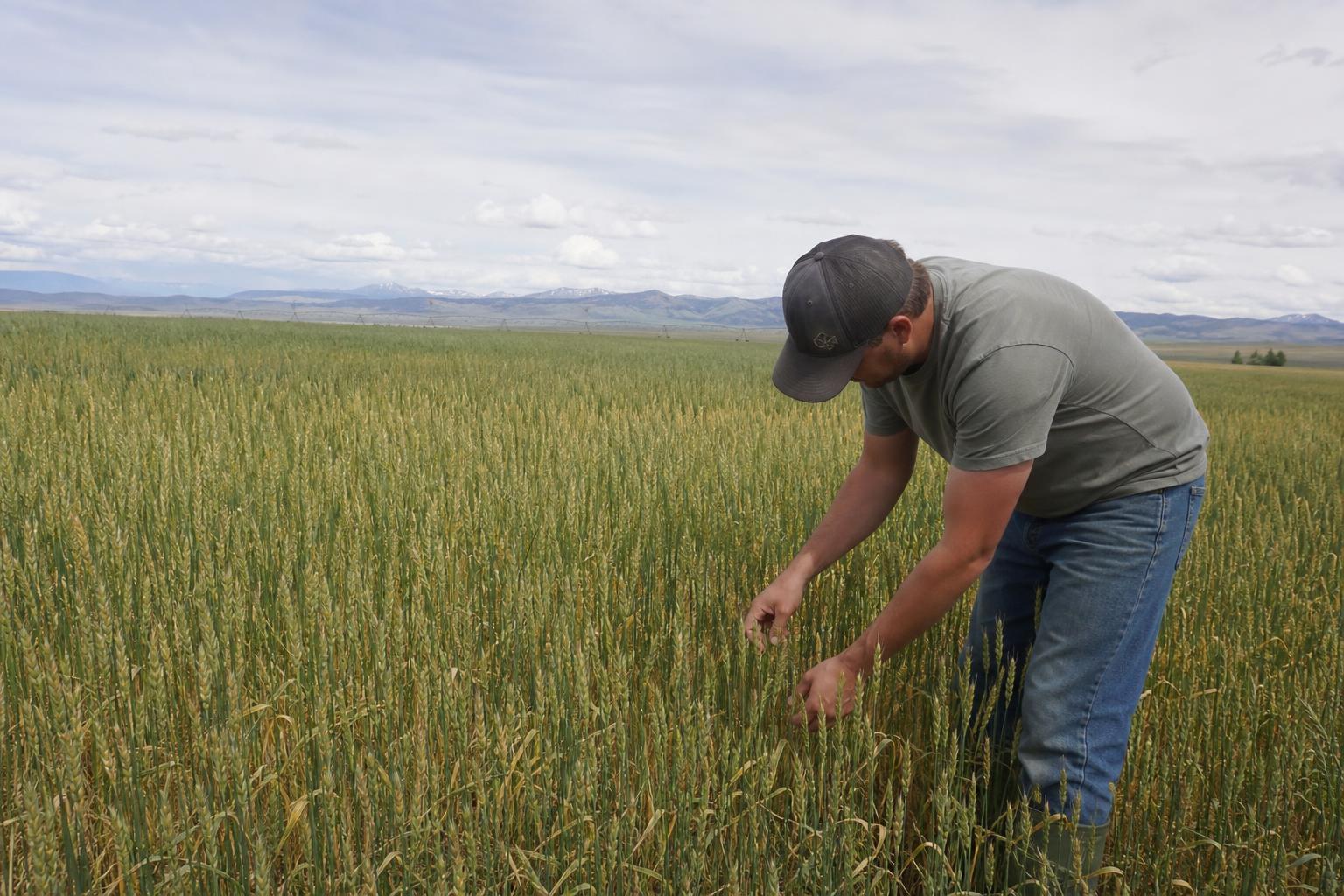
As we navigate through the summer, Montana's wheat market faces a combination of persistent challenges and promising opportunities. Rising operational costs and climate-related issues have compelled farmers to rethink their strategies, ensuring sustained productivity and profitability in the region.
Operational Costs on the Rise
The increasing costs of fertilizers and other agricultural inputs have forced many farmers in Northwest Montana to reduce their wheat planting activities. Despite these financial constraints, innovative approaches such as precision farming and enhanced resource management are gaining traction. By adopting these tactics, farmers aim to maximize the efficiency of their limited resources, thus stabilizing their yield outcomes.
Climate Challenges Impacting Yield
Montana's wheat farmers are also grappling with climate variability, including intense heat waves and sporadic rainfall. These weather patterns contribute to uncertain yield outcomes. Adapting to these changes, farmers have begun to integrate drought-resistant wheat varieties and advanced irrigation techniques to mitigate the impact on crops. This strategic shift aims to maintain grain quality and quantity despite adverse weather conditions.
Adapting to Market Demands
In response to fluctuating market demands, Montana farmers are exploring diversified cropping systems. This approach not only spreads financial risk but also enhances soil health, potentially boosting long-term productivity. For insights into similar adaptive strategies, explore the broader Montana agriculture market dynamics.
Collaboration and Support
Partnerships with local cooperatives and agricultural agencies continue to play a crucial role in providing Montana’s wheat producers with the resources and support needed to navigate these challenges. Collaboration in research and development, combined with financial assistance, is essential in helping farmers implement new technologies that promise better resilience against rising costs and climatic unpredictability.
For broader national trends influencing grain markets, check out our recent U.S. grain market update.
What it means for the market
The combination of rising costs and climate challenges necessitates a strategic shift in Montana's wheat farming practices. By embracing new technologies and diversified cropping, Montana farmers can protect and enhance their productivity despite current adversities. These adaptations not only aim to meet the immediate needs of the market but also enhance long-term sustainability for the state's wheat producers.
Comments
No comments yet - be the first to share your take.