
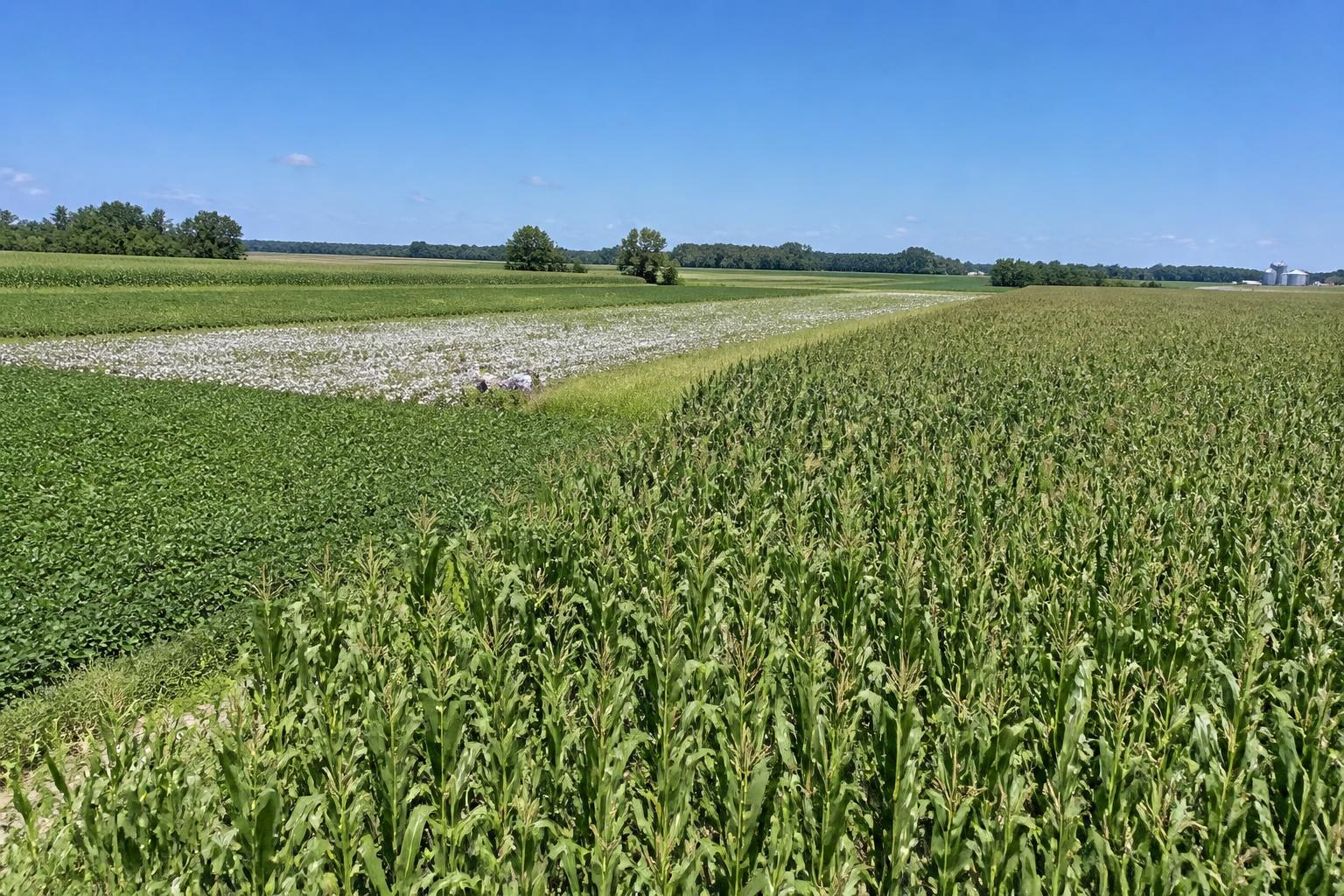
The Case for Mineral Fertilization in Nevada
As we move deeper into the heat of the summer season, maintaining optimal soil nutrient levels remains a critical challenge for Nevada producers. Whether you are managing smaller plots or larger scale operations in our high-desert environment, the focus often shifts to sustainable, long-term soil health. Recently, increased interest has centered on the direct application of raw rock phosphate as a method for supporting organic-focused nutrient management.
Aligning Nutrient Inputs with Summer Logistics
Managing logistics in the Silver State requires a careful balance, especially when dealing with heavy inputs during peak heat. Producers often look to sustain high-desert grain operations by timing nutrient applications to minimize waste and maximize efficiency. Because Nevada's geography can complicate transport, selecting products that offer reliable, steady nutrient release is often favored by those looking to reduce the frequency of field entries. This is particularly relevant when adjusting changing crop forecasts as seasonal water availability fluctuates.
Market Trends and Input Availability
The broader agricultural market is seeing a push toward specialized fertilizers, ranging from granular sulfur products to innovative organo-mineral blends. For Nevada growers, the benefit of these specialized inputs often comes down to their stability in high-temperature soil environments. As energy prices continue to influence the baseline cost of manufacturing and transporting traditional synthetic fertilizers, many agribusinesses are evaluating how raw materials like local rock phosphate might provide a more cost-effective hedge against market volatility.
What it means for the market: For the Nevada farmer, the current trend toward alternative nutrient sources suggests a move toward greater self-sufficiency in soil management. By integrating mineral-based or slower-release inputs, producers may be able to better weather the combined pressures of input cost inflation and the environmental demands of a dry, high-altitude growing season.
Comments
No comments yet - be the first to share your take.