
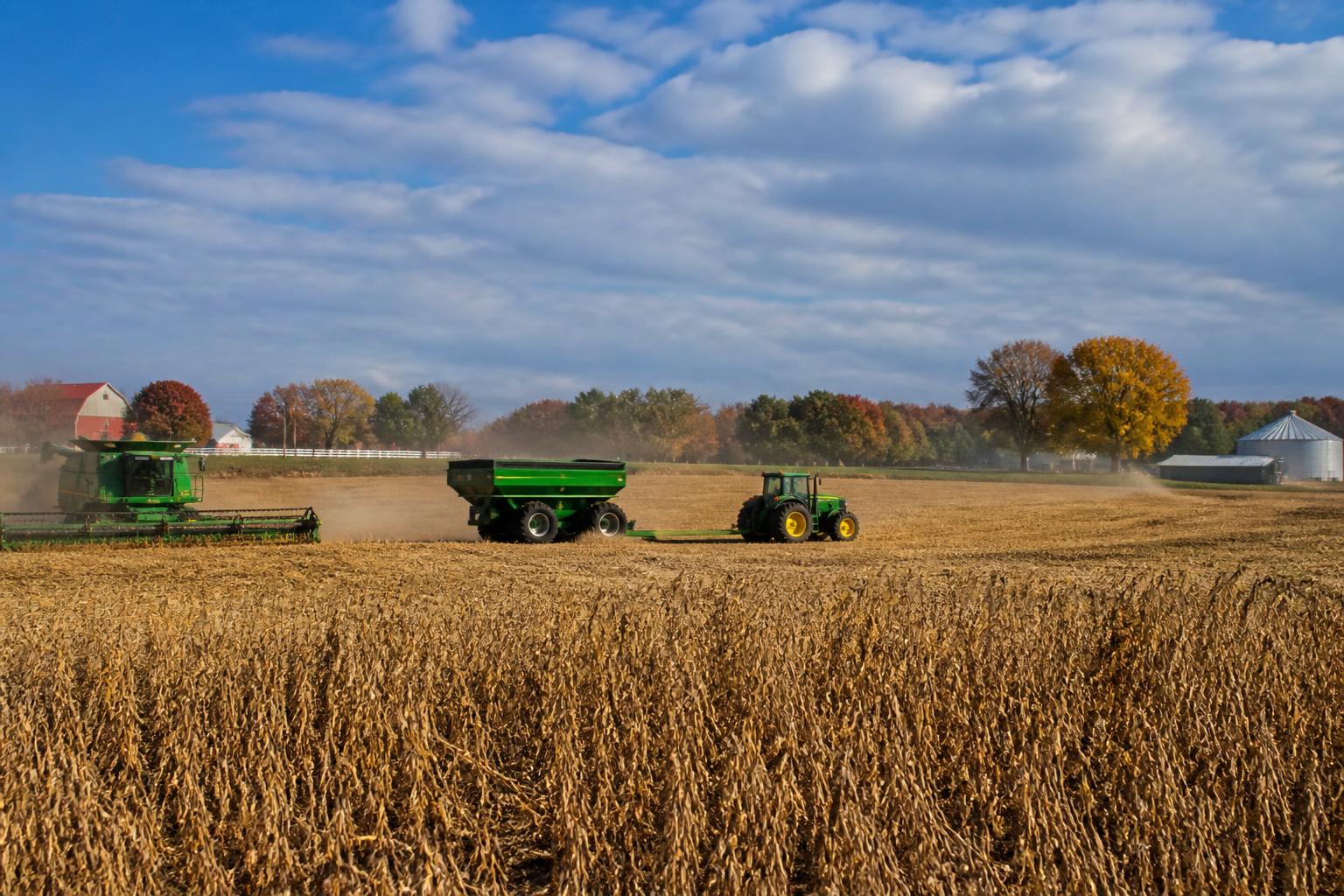
As we move into the heart of the fall season, Iowa producers are once again balancing the realities of tighter corn margins against the necessary investment in next year's crop cycle. With global production costs increasingly influenced by competitive markets in places like Brazil, regional agribusinesses are closely monitoring the bottom line for input procurement.
For many across the state, from the fertile grounds of the Des Moines Lobe to the rolling hills of the Loess Hills, managing nutrient applications remains a primary lever for balancing soil health and input spending. Efficient application strategies are more than just a logistical preference this year; they are a direct response to the economic climate facing Midwest grain operations. Careful monitoring of field conditions and resource allocation remains critical for those looking to maintain yield potential while navigating uncertain market conditions.
Optimizing Nutrient Logistics
The logistics of the fall season often present unique hurdles, particularly as grain movement competes with seasonal field work on rural road networks. Farmers looking to lock in input supplies should remain cognizant of potential delays in supply chains and regional storage limitations. Leveraging on-farm systems or working closely with local elevators can help buffer against unforeseen delivery bottlenecks that often arise during the peak of harvest and fertilizer application windows.
Economic Resilience in the Field
Beyond immediate input costs, the broader economic landscape is encouraging a more conservative, data-driven approach to production. Specialists continue to emphasize the importance of soil testing and precision application as tools to mitigate waste. While there is broad pressure to maintain high-yield environments, doing so sustainably requires a nuanced understanding of local environmental factors and regulatory considerations that may impact long-term land stewardship.
Key Takeaways
- Prioritize soil testing to ensure nutrient applications are precise and avoid unnecessary capital expenditure.
- Coordinate with local suppliers early to manage potential logistics constraints during the busy fall window.
- Evaluate existing on-farm storage and application hardware to identify potential efficiency gains before the field rush intensifies.
What it means for the market: Producers should anticipate that margin compression will likely keep a ceiling on input price tolerance throughout the fall. Agribusinesses that offer flexible logistics and value-added nutrient management services will likely remain in high demand as farmers prioritize cost-effectiveness and operational reliability this season.
Comments
No comments yet - be the first to share your take.