
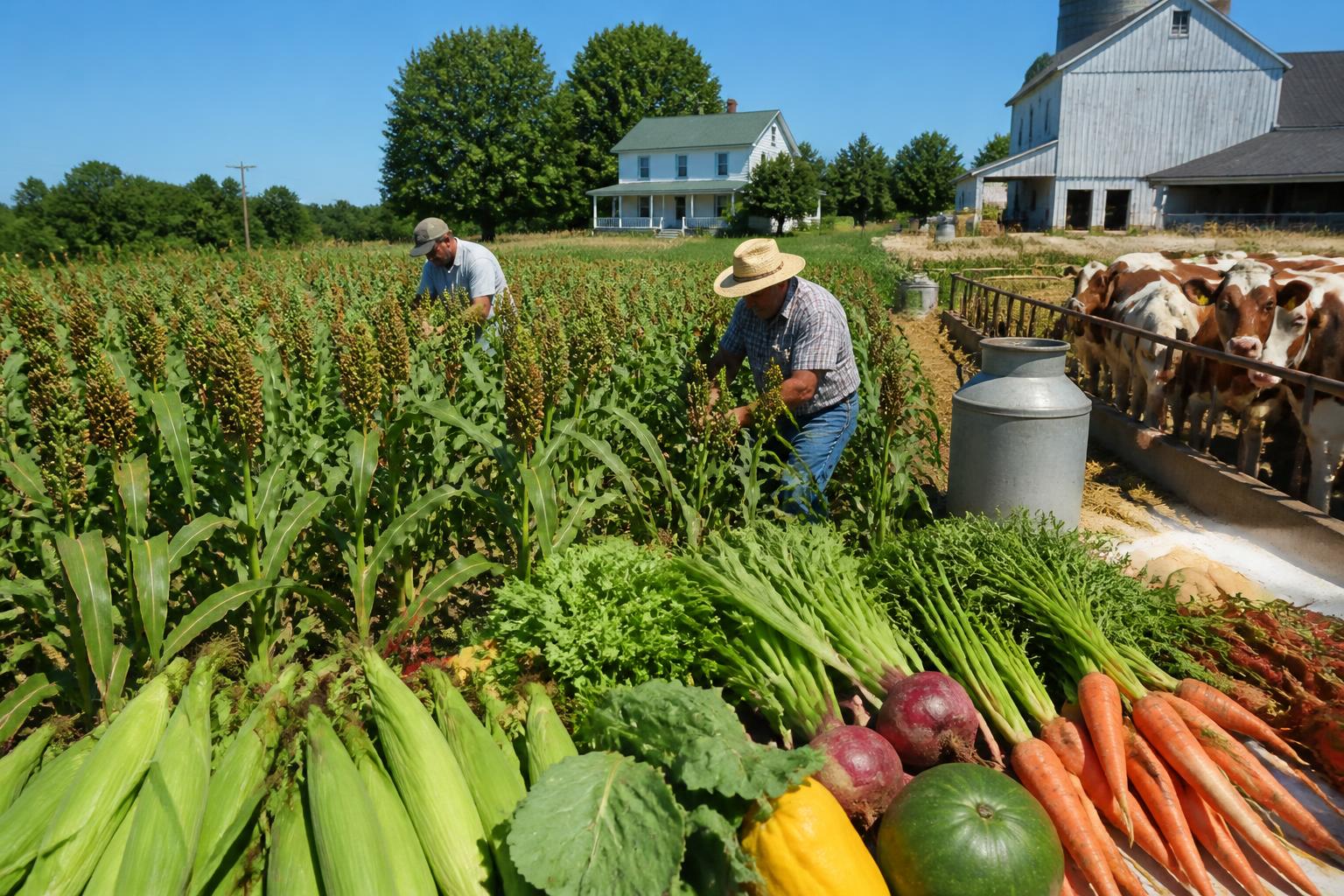
The New Jersey agricultural sector continues to adapt to a changing landscape where land-use pressures and corporate consolidation redefine how local farms access critical inputs. As we move through the summer season, growers across the Garden State are balancing the demands of high-value specialty crops with the logistical realities of securing reliable fertilizer supplies.
Recent industry shifts, including the management of equipment security and input logistics, highlight the importance of maintaining stable relationships with regional suppliers. With increased interest in value-added production and organic gardening, some operations are finding that established local providers are transitioning ownership, which can alter historical supply patterns and service expectations.
Supply Chain Dynamics in the Garden State
For many New Jersey farmers, the challenge remains securing consistent access to fertilizers and soil amendments while facing competition from non-agricultural development. In parts of South Jersey, the surge in warehouse construction has introduced additional complexity to farm logistics, potentially impacting the timely delivery of bulk inputs during peak planting and mid-summer maintenance windows.
Producers are often navigating these constraints by diversifying their sourcing strategies. Whether managing traditional field crops or specialized produce, the ability to anticipate fluctuations in regional availability is a critical component of successful farm management. Staying informed about the shifting ownership landscape of regional agribusinesses can help operators avoid last-minute disruptions during critical growing phases.
What it means for the market
For New Jersey agribusinesses, these trends suggest that long-term supply resilience is becoming just as vital as crop yields. Farmers should evaluate their current supplier stability and consider diversifying their logistics planning to hedge against local disruptions. Proactive communication with input partners and staying attuned to corporate changes within the regional sector will remain essential as the market continues to evolve through the remainder of the growing season.
Comments
No comments yet - be the first to share your take.