
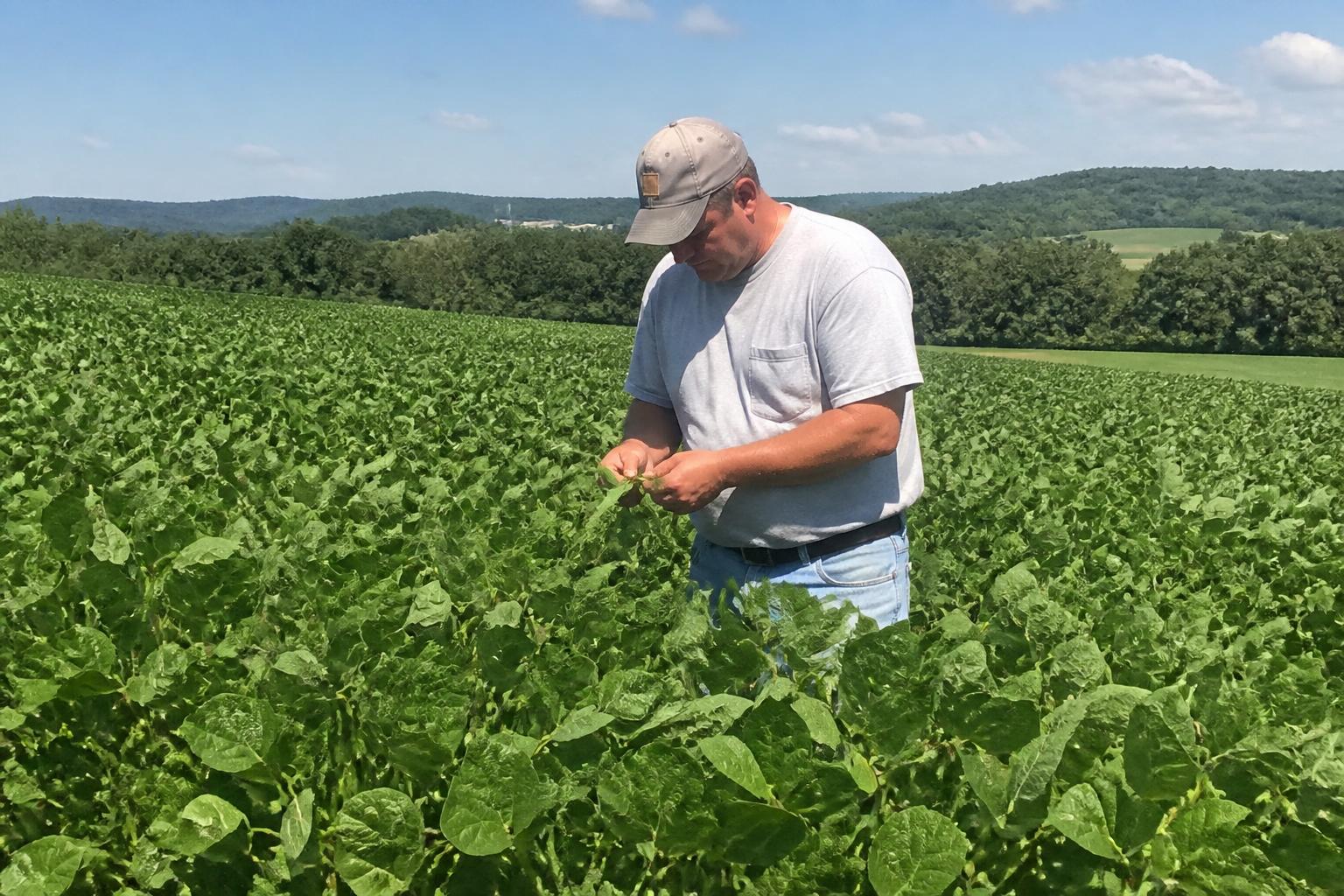
As New York farmers move through the summer season, the agricultural community is adjusting to shifting economic signals. While field operations remain focused on crop development, recent announcements regarding financial support for producers have become a key point of discussion for local agribusinesses and farm managers.
State leadership recently announced a $30 million tariff relief program aimed at supporting New York agricultural producers. For many operations across the state, from the fertile soils of Western New York to the specialized crop regions in the Hudson Valley, this funding arrives at a time when farm businesses are navigating complex input cost pressures. Accessing such programs can be a vital component of balancing seasonal operational budgets.
Global Market Pressures on Fertilizer Inputs
The broader agricultural landscape remains sensitive to international supply chain disruptions. Concerns regarding the availability and affordability of essential crop inputs continue to influence decision-making for grain handlers and producers alike. While local farmers are often insulated from certain international volatility, the ripple effects of global geopolitical instability can still influence the pricing of nitrogen-based fertilizers and other chemical essentials.
Understanding these macro-level dynamics is essential for those looking to refine their input procurement strategies. For operations in New York, keeping a pulse on how these global constraints translate to regional supply is crucial for maintaining profitability throughout the remainder of the growing season.
Strategic Management for the Growing Season
With mid-season crop health in focus, growers are balancing the need for precise nutrient management with the realities of market-driven supply costs. Efficient utilization of inputs—whether through improved soil testing or strategic timing—remains a top priority for those aiming to protect their bottom line. Farmers who are able to monitor input efficacy closely are often better positioned to handle price fluctuations, even when external supply chain variables remain unpredictable.
What it means for the market
For the New York agribusiness sector, the current landscape necessitates a dual approach: leveraging available state-level financial relief while maintaining a disciplined, corporate mindset toward input management. By balancing these immediate resources against long-term market volatility, producers can better insulate their operations from unexpected price hikes, ensuring that mid-season activities remain focused on high-yield production and sustainable growth.
Comments
No comments yet - be the first to share your take.