
Mid-summer in Oklahoma often serves as a critical period for evaluating both field progress and administrative readiness. With the current agricultural cycle in full swing, producers across the state are reminded by the USDA to keep a close eye on upcoming deadlines for safety net programs, disaster assistance, and county committee involvement. Staying ahead of these administrative hurdles is essential for maintaining a stable financial buffer, especially as market uncertainty continues to impact grain handlers and growers alike.
Modernizing Financial and Logistical Operations
Beyond traditional compliance, the agricultural landscape in Oklahoma is seeing a shift toward digital integration. New financing models and digital reforms are beginning to emerge, aimed at helping producers manage costs and capital more effectively. These tools, which often leverage data to assist in decision-making, are increasingly relevant as operations look to optimize logistics and infrastructure during peak activity windows.
Technology in the Field
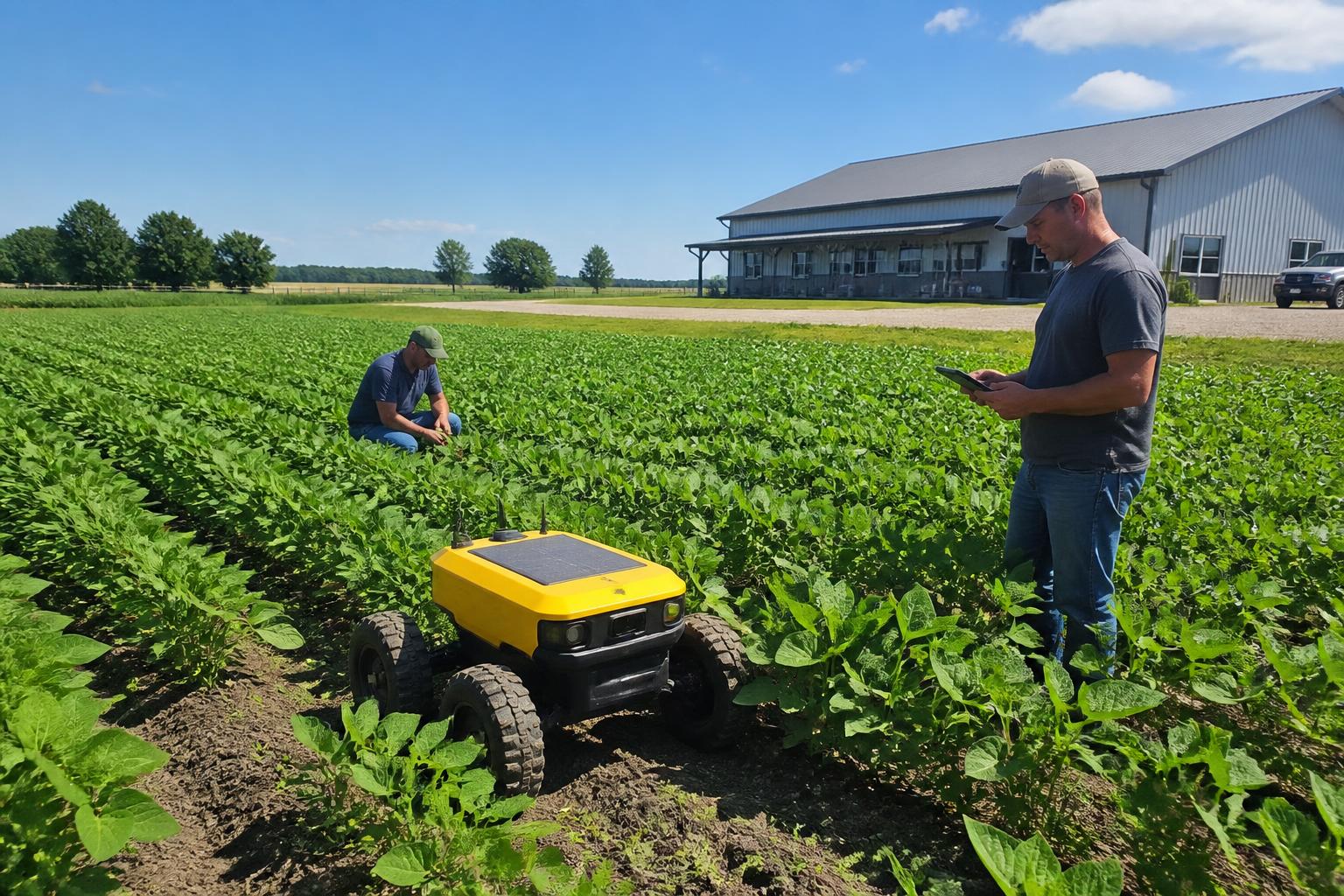
Advancements in autonomous robotics and data-driven management are transitioning from concepts to practical tools on many farms. In the context of Oklahoma's diverse agricultural regions, these technologies are increasingly being viewed as ways to handle labor constraints and improve precision. While adoption rates vary, many producers are exploring how these systems can support the heavy demands of the summer harvest season and subsequent planning.
What it means for the market
Producers who prioritize their federal reporting today can avoid late-season bottlenecks, allowing more focus on the technological shifts in logistics and financing. As digital tools become more prevalent, maintaining a balance between rigorous regulatory compliance and the adoption of modern operational efficiencies will likely be a defining factor in regional competitiveness throughout the remainder of the year.
Comments
No comments yet - be the first to share your take.